**What to Watch Out for During Your First Endodontic Treatment Trip to Mainland China**
In recent years, many Hong Kong residents have considered traveling to mainland China for dental treatments due to convenience or oral health benefits. Particularly, endodontic treatment is a popular choice when faced with pulpitis and excruciating tooth pain. However, if its your first time traveling to the mainland for root canal therapy, there are several details to keep in mind. Unfamiliarity with the environment, medical procedures, and cultural differences might cause concern. Here, we’ll provide some practical tips to help you prepare and undergo treatment with peace of mind.
**1. Understand the Treatment Process in Advance**
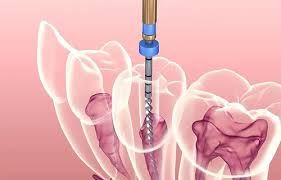
Root canal treatment involves removing infected dental pulp, disinfecting the canals, and sealing them with filling material to prevent future bacterial invasion. While the principles in Hong Kong and mainland China are similar, there might be slight differences in instruments, technical details, or materials used. Its crucial to communicate with the dentist beforehand, asking how many sessions are required, the approximate duration for each, and any potential discomfort you might experience. Understanding the procedure will help ease your mind.
**2. Find a Reliable Dental Clinic**
Not all dental clinics specialize in endodontic treatment; some primarily offer scaling or basic fillings. Its important to find a reputable clinic with a clean environment and proper hygiene standards. Gather recommendations from friends, read online reviews, or search on relevant platforms. Opting for a licensed clinic with qualified dentists is essential, as the quality of the technical execution significantly impacts the success and longevity of the treatment.
**3. Pay Attention to Communication**
Although both regions speak Chinese, terms may slightly differ, especially medical terminology. Clearly articulate your medical history and dental condition. If you’ve previously consulted a dentist in Hong Kong, ideally bring along relevant X-rays or examination records to minimize misunderstandings. Clear communication ensures safe and effective treatment.
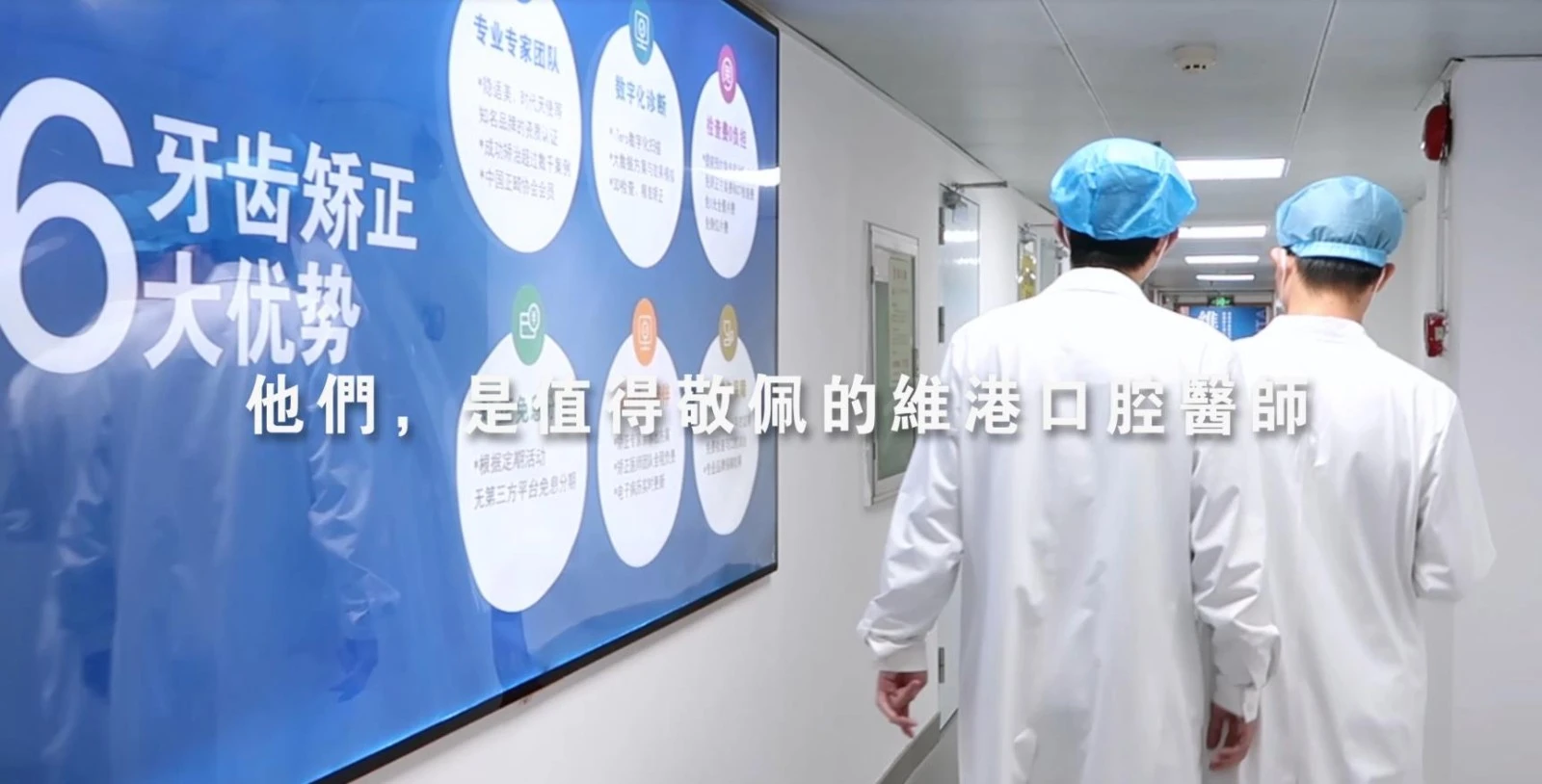
**4. Focus on Hygiene and Equipment**
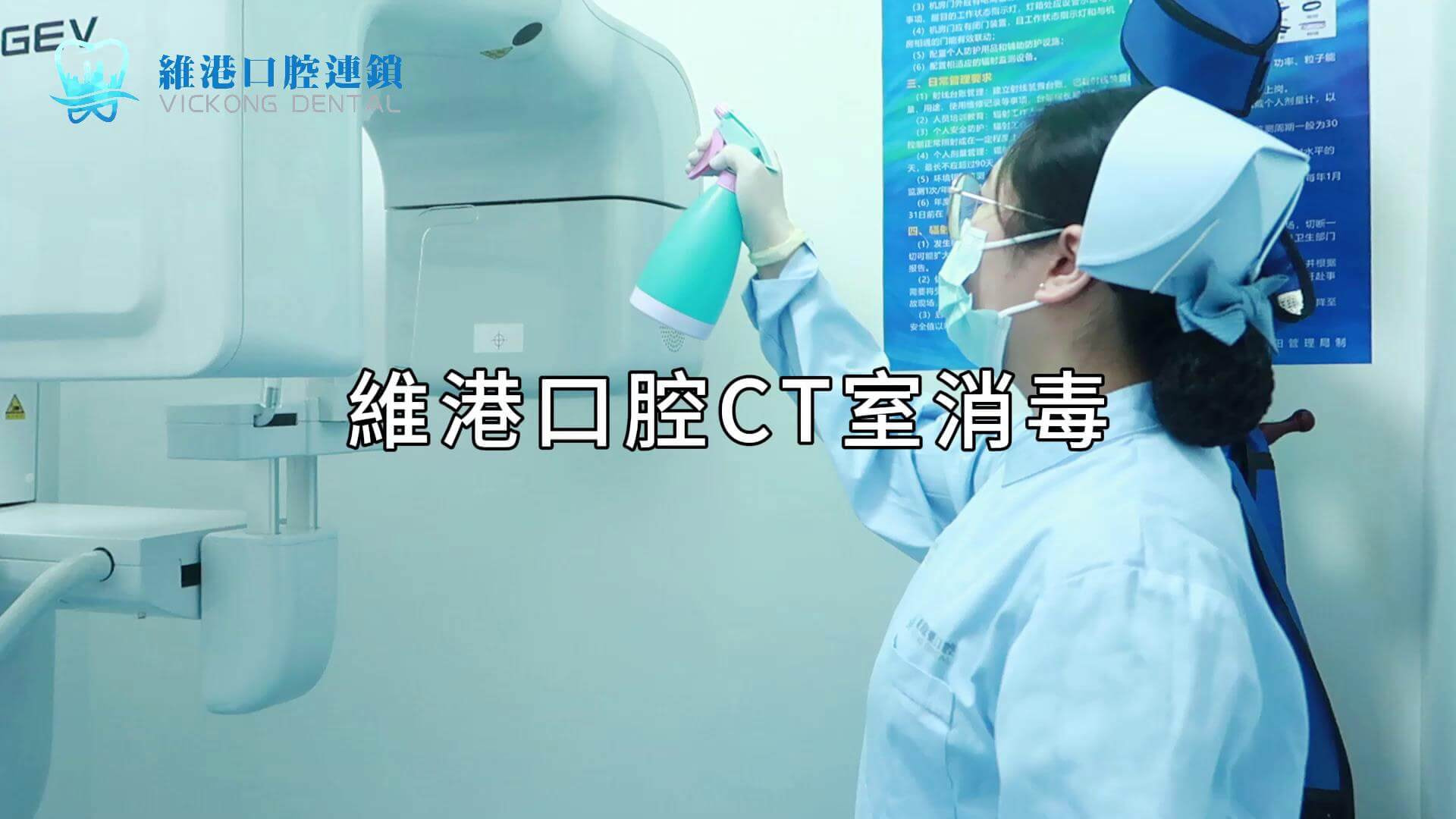
During endodontic treatment, small drilling instruments and rubber dams are used to prevent bacterial contamination. Observe the cleanliness of the clinic, whether the instruments are sterilized and packaged, and
the dental team’s hygiene practices. Certain details may not be immediately visible, but check if disposable gloves and masks are used, and if the instruments are unpacked directly before use for safety assurance.
**5. Psychological Preparation and Comfort**
Many first-timers are apprehensive about the potential pain of root canal therapy, although most only experience pressure post-anesthesia. Preparing for possible wait times and differing procedures can help ease concerns. Consider bringing headphones to listen to music to distract yourself, and wear comfortable clothing to help you stay relaxed during the treatment.
**6. Post-Treatment Care**
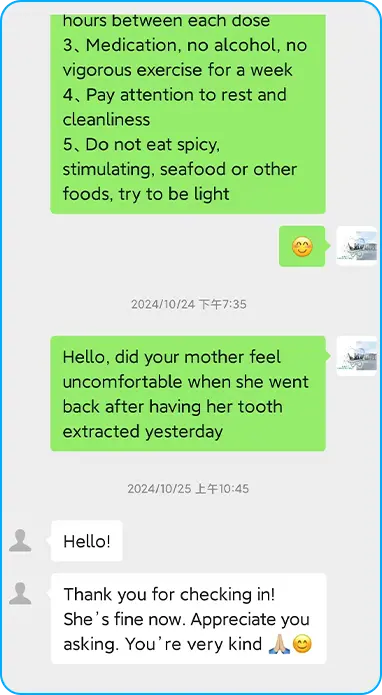
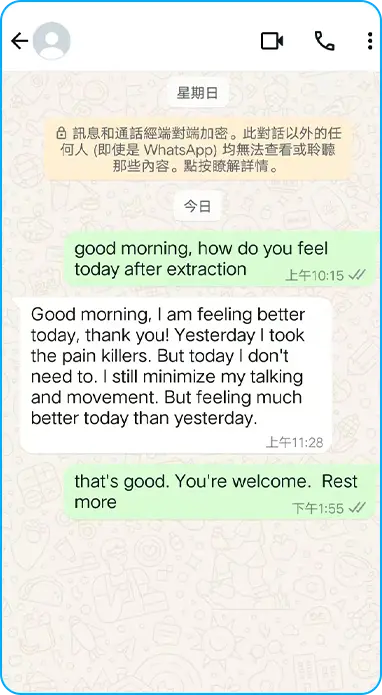
After a root canal treatment, the tooth is usually sealed with temporary filling until the next appointment for a permanent crown or filling. During this interval, care for the tooth carefully; avoid biting hard foods, and maintain oral cleanliness. Immediate contact with the dentist is essential if you encounter unusual pain, swelling, or heat sensitivity.
**7. Confirm Follow-Up Arrangements**
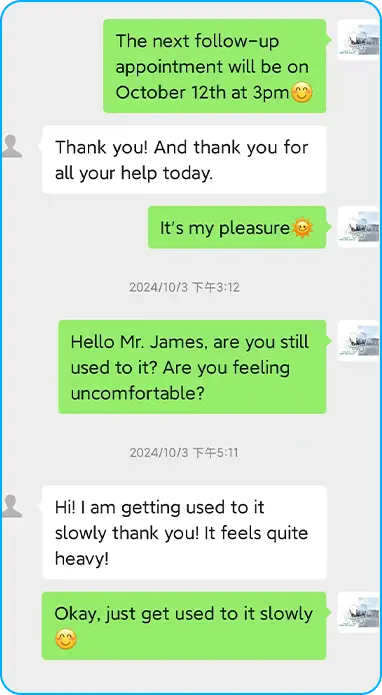
Root canal treatments generally involve multiple visits, so after your initial session, plan your follow-up appointments in advance. Confirm check-up dates with your dentist to avoid delays that could lead to reinfection or compromised treatment. If traveling long distances, arrange transportation and accommodation in advance to ensure smooth treatment progress.
**8. Keep Treatment Records**
After each treatment session, retain all receipts and medical records provided by the dentist. Preserve relevant X-ray films or image files to ensure complete medical information for follow-up either in Hong Kong or elsewhere.
**9. Monitor Lifestyle and Diet**
Throughout the root canal treatment period, maintaining adequate rest and a balanced diet aids in the recovery of your teeth and overall body health. Avoid excessive sugar intake or hard foods to reduce the growth of oral bacteria. Additionally, avoid staying up late to prevent lowering your immune system.
In conclusion, there is no need to be overly anxious about your first endodontic treatment trip to mainland China. Preparation from selecting a reliable clinic, understanding treatment procedures, to post-treatment care is key to maintaining dental health. Paying attention to these tips can ensure a smooth and worry-free dental visit. Remember, proactive dental care is the most effective way to prevent complications.