**Are Root Canal Treatment and "Du Yagen" the Same Thing?**
In recent years, many people have chosen to go "north" for dental treatment for various reasons. Some believe its more convenient, others appreciate the wider range of services, or find the scheduling more flexible. When it comes to dental procedures, beyond cleanings and fillings, theres often confusion between "root canal treatment" and "Du Yagen." Many friends from Hong Kong who visit dental clinics in mainland China often ask, "Are root canal treatment and Du Yagen the same?" While the two are related, they are not entirely identical.
First, what is root canal treatment? To put it in simple Cantonese terms, root canal treatment is performed when the nerve (pulp) inside a tooth becomes inflamed or necrotic. The dentist removes the damaged pulp tissue, disinfects the area with medication, and then seals the tooth from the inside. This process addresses internal issues of the tooth, akin to a thorough "internal cleaning." The goal of root canal treatment is typically to preserve the tooths structure and biting function without the need for extraction.
So, what exactly is "Du Yagen"? Many people in Hong Kong use "Du Yagen" to refer to the entire process of root canal treatment. However, more strictly speaking, "Du Yagen" is a colloquial Cantonese term that traditionally included both nerve cleaning and sealing. In different dental systems, "Du Yagen" might merely refer to sealing the root portion, not necessarily including the initial cleaning and disinfection. In technical terms, root canal treatment is a more comprehensive and scientific term.
When seeking such treatments in the mainland, the primary differences lie in communication and treatment habits. In Hong Kong, dentists usually explain each step thoroughly, ensuring patients understand the entire process. In mainland China, some dentists might use professional terminology common there, such as directly referring to "root canal treatment" instead of "Du Yagen." If one is only familiar with Cantonese dental terms, they might not immediately grasp what mainland dentists are saying. Knowing the difference between these terms in advance can help avoid misunderstandings and facilitate communication with the dentist.
Furthermore, after completing a root canal treatment, it is often necessary to instal
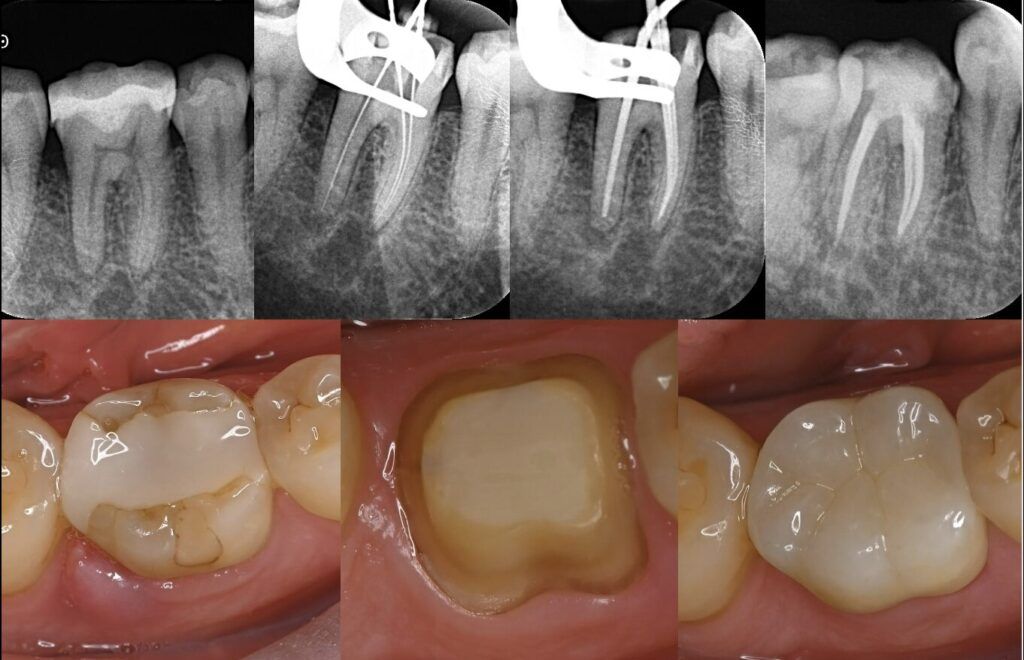
l a crown for added protection. Post-treatment teeth can be more fragile, and without protection, they are prone to damage when biting hard foods. This step is commonplace in both Hong Kong and mainland China. However, some people who only undergo root canal treatment in the mainland and return to find no crown added may experience problems after a few years. Hence, regardless of the location, its best to confirm the complete treatment plan with the dentist, including preliminary cleaning, interim sealing, and subsequent protection.
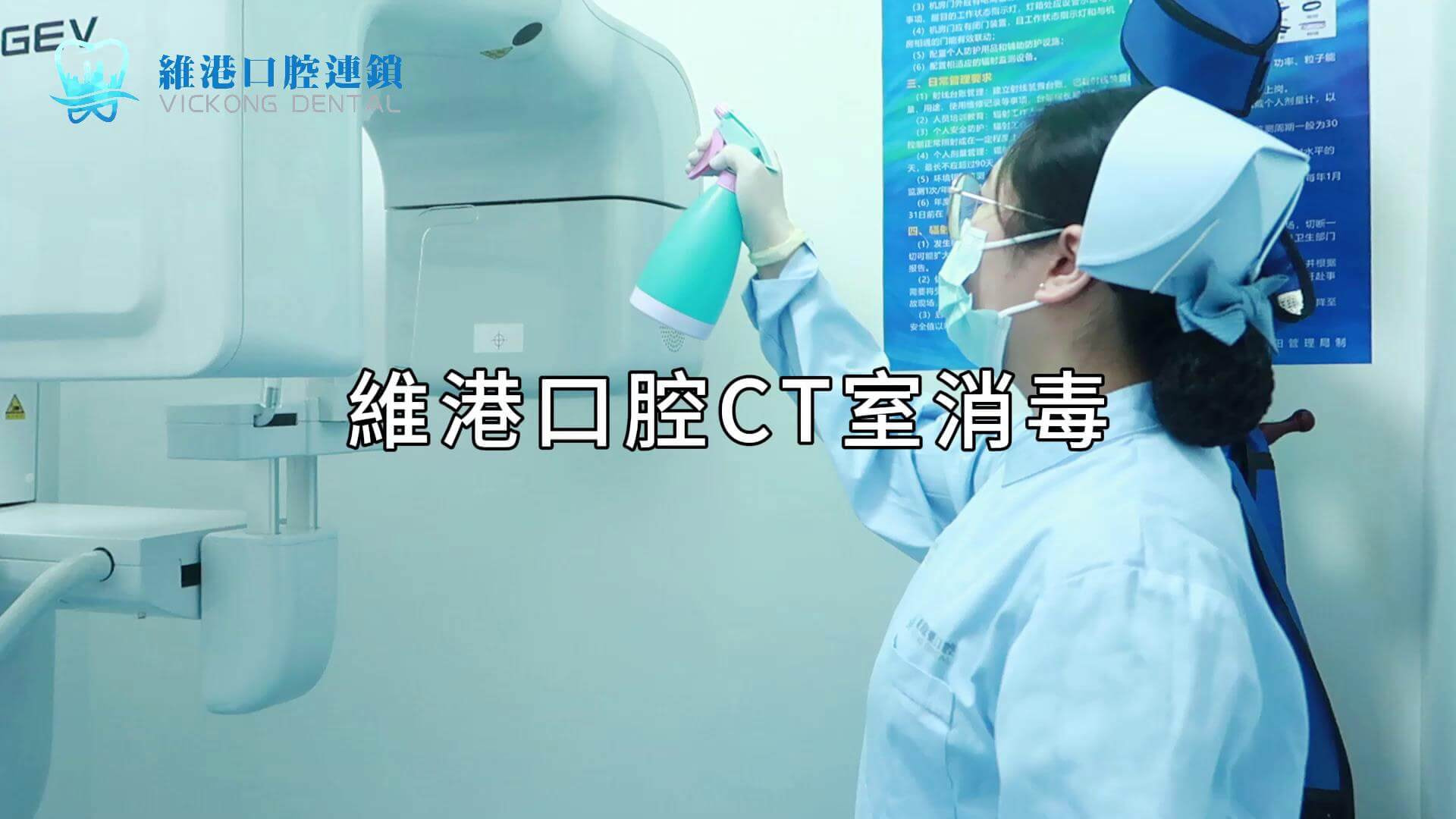
Moreover, many are concerned about whether dental equipment in the mainland greatly differs from that in Hong Kong. In reality, many dental clinics in large mainland cities are well-equipped, often using imported machinery. However, the dentists experience and skill are crucial to the outcome. Root canal treatment involves detailed procedures: locating all root canal openings, thoroughly cleaning them, and sealing them properly. Any oversight can increase the risk of recurrence.
Remember not to confuse "Du Yagen" with "tooth extraction." Du Yagen does not involve removing a tooth; instead, it preserves the tooths original position. Tooth extraction involves removing the tooth entirely, serving different purposes. If a tooth can still be saved, root canal treatment helps maintain the chewing function, avoiding disruptions in daily diet and keeping your smile natural.
Lastly, whether consulting a dentist in Hong Kong or mainland China, proper examination and diagnosis are crucial—dont rely solely on your own assumptions. Toothaches have numerous causes; some might just be due to tartar buildup or gingivitis, which do not necessitate root canal treatment. On the other hand, severe or prolonged pain should be addressed promptly to prevent inflammation from spreading to the periodontium or other teeth.
In summary, "root canal treatment" is the formal dental term, while "Du Yagen" is a colloquial term used by Hongkongers. Though similar, root canal treatment is more precise and standardized clinically. If you plan to seek dental care in the mainland, understanding the terminology differences, treatment process, and aftercare in advance can help minimize misunderstandings. Always communicate thoroughly with your dentist, regardless of the location, to ensure your dental health lasts longer.