 **Is There a Language Barrier When Traveling to Mainland China for Dental Care?**
In recent years, a growing number of Hong Kong residents have opted to travel to the Chinese Mainland for dental treatments. Many cite the wide range of service options, ease of appointment scheduling, and modern facilities as key reasons for their choice. However, when it comes to communicating with dentists, some individuals express concerns: "I dont speak Mandarin. Will I be misunderstood? Could I say something wrong and end up with incorrect dental treatment?" These worries are understandable, but they can be managed effectively with a bit of preparation.
First, its important to recognize that while both Cantonese and Mandarin are forms of Chinese, they differ significantly in pronunciation, vocabulary, and expression. In Hong Kong, terms like "dental filling," "teeth cleaning," and "tartar" are commonly understood. However, in dental clinics on the Mainland, terminology may vary slightly. For instance, "dental filling" might be referred to as "cavity filling" or "tooth hole filling," and "dental resin" could be termed "resin material." Despite these differences, theres no need to worry. In major cities like Shenzhen, Dongguan, and Guangzhou, dentists are accustomed to treating patients from Hong Kong and can generally understand key Cantonese terms. Even if they dont fully grasp everything, they often use written communication or simple translation methods to ensure clarity. Many medical institutions have professional service attitudes, and a number of receptionists or doctors may know a bit of Cantonese, minimizing communication issues.
For those who wish to be well-prepared, researching common dental terms in Mandarin beforehand can be helpful. For example, "teeth cleaning" translates to "oral cleaning," "dental bridge" to "porcelain dental bridge," and "gum" to "gingiva." You dont need to memorize them all—just grasp the general meaning. If you encounter uncertainty during communication, speak slowly and ask, "Is this what you mean?" Confirming mutual understanding can prevent misunderstandings.
Furthermore, effective communication involves not just language but also expressing needs and building trust. Some individuals may feel anxious at Mainland clinics, fearing they might say something incorrect, leading to constant nodding and agreeing to everything the dentist says. This approach can lead to issues. Its advisable to inform the dentist beforehand that you primarily speak Cantonese and understand a bit of Mandarin. Doctors usually slow down their speech and use visual aids to assist you. Many clinics now employ computer imaging or 3D mod
**Is There a Language Barrier When Traveling to Mainland China for Dental Care?**
In recent years, a growing number of Hong Kong residents have opted to travel to the Chinese Mainland for dental treatments. Many cite the wide range of service options, ease of appointment scheduling, and modern facilities as key reasons for their choice. However, when it comes to communicating with dentists, some individuals express concerns: "I dont speak Mandarin. Will I be misunderstood? Could I say something wrong and end up with incorrect dental treatment?" These worries are understandable, but they can be managed effectively with a bit of preparation.
First, its important to recognize that while both Cantonese and Mandarin are forms of Chinese, they differ significantly in pronunciation, vocabulary, and expression. In Hong Kong, terms like "dental filling," "teeth cleaning," and "tartar" are commonly understood. However, in dental clinics on the Mainland, terminology may vary slightly. For instance, "dental filling" might be referred to as "cavity filling" or "tooth hole filling," and "dental resin" could be termed "resin material." Despite these differences, theres no need to worry. In major cities like Shenzhen, Dongguan, and Guangzhou, dentists are accustomed to treating patients from Hong Kong and can generally understand key Cantonese terms. Even if they dont fully grasp everything, they often use written communication or simple translation methods to ensure clarity. Many medical institutions have professional service attitudes, and a number of receptionists or doctors may know a bit of Cantonese, minimizing communication issues.
For those who wish to be well-prepared, researching common dental terms in Mandarin beforehand can be helpful. For example, "teeth cleaning" translates to "oral cleaning," "dental bridge" to "porcelain dental bridge," and "gum" to "gingiva." You dont need to memorize them all—just grasp the general meaning. If you encounter uncertainty during communication, speak slowly and ask, "Is this what you mean?" Confirming mutual understanding can prevent misunderstandings.
Furthermore, effective communication involves not just language but also expressing needs and building trust. Some individuals may feel anxious at Mainland clinics, fearing they might say something incorrect, leading to constant nodding and agreeing to everything the dentist says. This approach can lead to issues. Its advisable to inform the dentist beforehand that you primarily speak Cantonese and understand a bit of Mandarin. Doctors usually slow down their speech and use visual aids to assist you. Many clinics now employ computer imaging or 3D mod
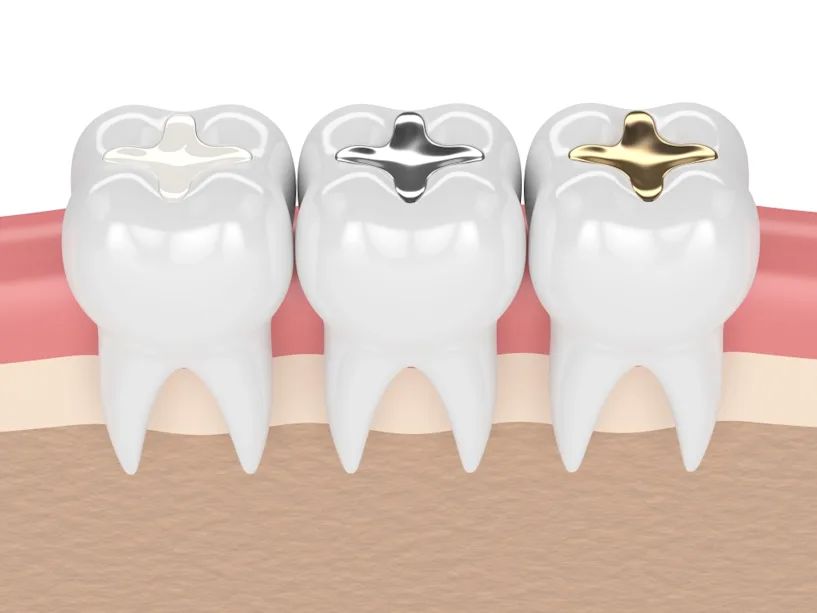 els to visually demonstrate treatment areas, enhancing clarity through visual communication.
Hong Kong residents are accustomed to certain medical procedures, such as taking X-rays before discussing treatment plans, which might differ slightly on the Mainland. You can politely inquire, "What is the usual procedure?" or "Do I need a follow-up appointment after the filling?" These are common questions, and doctors are generally willing to explain in detail. Even if your Mandarin isnt fluent, maintaining a polite attitude and clear expression is key. Many who have traveled to the Mainland for dental care report that clinic staff are particularly attentive to Hong Kong accents, making communication smoother.
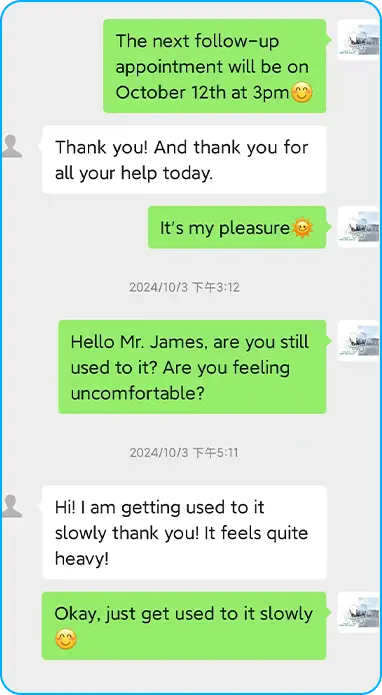
Nowadays, many clinics utilize WeChat or online systems for appointments and records, with some offering bilingual interfaces. If youre unfamiliar with Mandarin pinyin, preparing a few essential phrases like "appointment," "consultation," and "treatment plan" can be beneficial. In case of communication difficulties, you can ask clinic staff to type explanations or use a translation app on your phone for assistance, which often works well.
Additionally, many people who travel to the Mainland for dental care also plan to undergo health checkups, shop, or visit relatives, resulting in a packed schedule. Its advisable to allocate ample time for dental treatments, especially during your first visit, to familiarize yourself with the environment and allow for potential follow-up appointments without feeling rushed. This also provides an opportunity to observe the dentists techniques, communication style, and equipment, ensuring greater peace of mind for future visits.
In conclusion, the question of whether theres a language barrier when traveling to the Mainland for dental care can be answered with "possibly, but not significantly." The overall service level of modern clinics has improved greatly, and language isnt the biggest issue. The key is your willingness to express and confirm your needs. With proper preparation and an open mindset, even if your Mandarin isnt fluent, you can successfully receive dental treatment. After experiencing this Mainland visit, you might find that communication is a two-way street, gaining confidence and experience. Future visits will feel more natural, with fewer barriers.
Therefore, if youre considering traveling to the Mainland for dental care, theres no need to worry about language barriers. Prepare in advance, remain patient, and communicate clearly with your dentist to ensure a smooth process. Language is merely a bridge; what truly matters is the health of your teeth and the trust you establish.
els to visually demonstrate treatment areas, enhancing clarity through visual communication.
Hong Kong residents are accustomed to certain medical procedures, such as taking X-rays before discussing treatment plans, which might differ slightly on the Mainland. You can politely inquire, "What is the usual procedure?" or "Do I need a follow-up appointment after the filling?" These are common questions, and doctors are generally willing to explain in detail. Even if your Mandarin isnt fluent, maintaining a polite attitude and clear expression is key. Many who have traveled to the Mainland for dental care report that clinic staff are particularly attentive to Hong Kong accents, making communication smoother.
Nowadays, many clinics utilize WeChat or online systems for appointments and records, with some offering bilingual interfaces. If youre unfamiliar with Mandarin pinyin, preparing a few essential phrases like "appointment," "consultation," and "treatment plan" can be beneficial. In case of communication difficulties, you can ask clinic staff to type explanations or use a translation app on your phone for assistance, which often works well.
Additionally, many people who travel to the Mainland for dental care also plan to undergo health checkups, shop, or visit relatives, resulting in a packed schedule. Its advisable to allocate ample time for dental treatments, especially during your first visit, to familiarize yourself with the environment and allow for potential follow-up appointments without feeling rushed. This also provides an opportunity to observe the dentists techniques, communication style, and equipment, ensuring greater peace of mind for future visits.
In conclusion, the question of whether theres a language barrier when traveling to the Mainland for dental care can be answered with "possibly, but not significantly." The overall service level of modern clinics has improved greatly, and language isnt the biggest issue. The key is your willingness to express and confirm your needs. With proper preparation and an open mindset, even if your Mandarin isnt fluent, you can successfully receive dental treatment. After experiencing this Mainland visit, you might find that communication is a two-way street, gaining confidence and experience. Future visits will feel more natural, with fewer barriers.
Therefore, if youre considering traveling to the Mainland for dental care, theres no need to worry about language barriers. Prepare in advance, remain patient, and communicate clearly with your dentist to ensure a smooth process. Language is merely a bridge; what truly matters is the health of your teeth and the trust you establish.