**Differences Between Dental Fillings and Root Canal Treatments When Traveling to Chinese Mainland**
In recent years, many Hong Kong residents have opted to travel to Chinese Mainland for dental care. The reasons vary: some find the transportation convenient, others appreciate the wider range of options, and some prefer to address multiple dental issues in one trip. When it comes to dental procedures, two common treatments are dental fillings and root canal therapy. While they both aim to restore dental health, their principles, procedures, and objectives differ significantly. In this article, well explain what dental fillings and root canal treatments entail, and provide some tips for those considering dental care in Chinese Mainland.
**What Are Dental Fillings?**
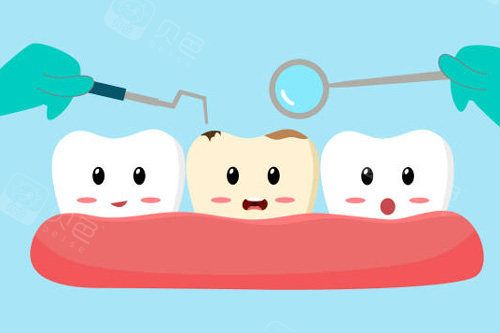
Dental fillings are primarily used to treat cavities or minor tooth damage. In the early stages of tooth decay, you might notice small holes or dark spots on the tooth surface. If neglected, these can worsen and become more problematic. During a filling procedure, the dentist removes decayed material to ensure no bacteria remain, then fills the cavity with a suitable material to restore the tooths shape and function. Typically, a dental filling can be completed in one session and involves a straightforward process that preserves most of the original tooth structure.
**What Is a Root Canal Treatment?**
Root canal treatment, commonly known as "endodontic therapy," addresses issues within the tooths pulp, such as inflammation, necrosis, or severe infection. The pulp contains nerves and blood vessels, and bacterial invasion can lead to significant pain and gum swelling. The procedure involves opening the tooth, removing the infected pulp, disinfecting the root canal with medicated solutions, and sealing it to prevent further bacterial entry. Root canal treatments usually require multiple sessions, and the treated tooth may become fragile, prompting the dentist to recommend a protective crown.
**Key Differences Between the Two Treatments**
In essence, dental fillings are suited for minor cavities, while root canal treatments are necessary for infections affecting the tooth pulp. Fillings focus on repairing surface damage, whereas root canals address internal infections and provide protective sealing. Fillings generally cause minimal discomfort and may not require anesthesia, whereas root canals involve nerve cleaning an
d typically necessitate anesthesia, with longer treatment times. Fillings can often be completed in one visit, while root canal therapy might require several appointments and additional restorative measures like crowns.
**Considerations for Dental Care in Chinese Mainland**
Before seeking dental care in Chinese Mainland, its advisable to have a preliminary dental check-up in Hong Kong to determine whether you need a filling or a root canal. Sometimes, a cavity may appear minor but has already reached the pulp, requiring more extensive treatment. Bringing previous dental records or X-rays can help the dentist in Chinese Mainland make informed decisions and plan your treatment effectively.
Furthermore, dental techniques and materials may vary by location. Dentists might offer different types of filling materials or root canal sealants, each with varying effectiveness and durability. Its crucial to inquire about the nature of the materials used, maintenance methods, and recommended follow-up intervals.
**Post-Treatment Care**
Regardless of whether you undergo a dental filling or root canal treatment, proper post-treatment care is essential. After a filling, avoid biting hard foods for a few days to allow the material to bond securely with the tooth. For teeth treated with root canals, the absence of nerves reduces sensitivity, making them prone to cracking when biting hard substances. Pay close attention to dietary habits, and if a crown is recommended, ensure timely placement.
Maintaining good oral hygiene is vital: brush twice daily, use dental floss to clean between teeth, and minimize bacterial growth to prevent further decay. Regular dental check-ups are important; dont wait for pain to consult a dentist, as many dental issues lack obvious symptoms initially and can become severe by the time pain occurs.
**Conclusion**
While both dental fillings and root canal treatments aim to restore dental health, they differ in nature, purpose, and procedure. Fillings address surface damage, whereas root canals target internal infections. Understanding your dental condition before traveling to Chinese Mainland, clarifying treatment methods and steps, and focusing on post-treatment care are crucial for long-term dental health. Whether in Hong Kong or Chinese Mainland, early detection, timely treatment, and good oral hygiene practices are key to maintaining a healthy and confident smile.