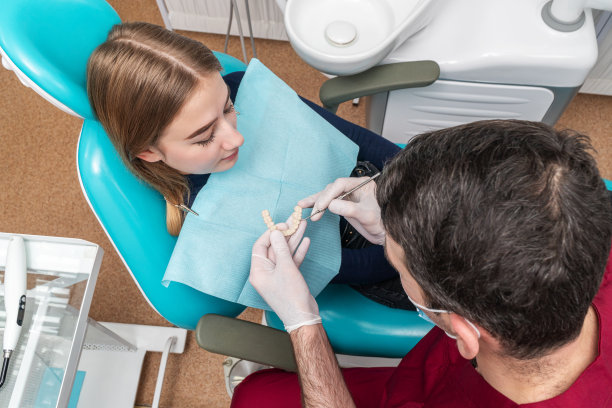
Summary: Dental implants are a revolutionary solution for replacing lost teeth, offering both functional and aesthetic benefits. This article serves as a comprehensive guide to understanding the dental implant treatment process, including its benefits, various types of implants, the treatment procedure, and post-operative care. By exploring these aspects, readers can gain insight into how dental implants can transform their smiles and enhance their quality of life. Ultimately, this guide aims to empower individuals to make informed decisions about their dental health and achieve a beautiful and healthy smile.
1. Benefits of Dental Implants for Your Smile

Dental implants provide several advantages that extend beyond just aesthetics. First and foremost, they restore functionality to the mouth, allowing individuals to chew and speak comfortably. Unlike dentures, which can slip and create discomfort, implants provide a stable foundation akin to natural teeth.
Moreover, dental implants contribute positively to oral health. They help maintain jawbone density, preventing the bone loss that can occur after tooth loss. This not only ensures the structural integrity of the face but also promotes overall dental health.
Finally, dental implants have a high success rate and can last for decades with proper care. Their durability makes them a worthwhile investment in one’s health and smile, as they ultimately can lead to a greater quality of life.
2. Types of Dental Implants Explained
Understanding the different types of dental implants is essential for anyone considering this treatment. There are primarily two types: endosteal and subperiosteal implants. Endosteal implants are the most common and are placed directly into the jawbone. They typically take the form of screws or cylinders and provide a secure base for artificial teeth.
On the other hand, subperiosteal implants are used when there is not enough jawbone height. They are placed under the gum tissue but above the jawbone. This option may be considered for patients who cannot undergo bone grafting procedures. Knowing the type of implant suited for individual needs is crucial in the decision-making process.
Additionally, there are certain variations such as zygomatic implants, which are anchored in the cheekbone instead of the jaw. This alternative is an option for patients with severe bone loss in the upper jaw, which further illustrates the personalized approach that dental implant treatments can provide.
3. The Dental Implant Procedure Uncovered
The dental implant procedure is a multi-step process that requires careful planning and execution. Initially, a thorough assessment of the patient’s dental and medical history is conducted, along with imaging studies to evaluate bone density and structure. This step is vital to determine the most suitable treatment plan.
Once a plan is established, the next phase involves the surgical placement of the implant. This is usually done under local anesthesia, and post-operative recovery care is discussed with the patient to ensure a smooth healing process. Patients may experience swelling or discomfort, but these symptoms generally subside within a few days.
After the implant has been securely integrated into the jawbone, a dental crown is crafted and placed on top. This final step restores the appearance and function of the teeth, completing the dental implant process. Regular follow-up visits are also necessary to monitor the progress and health of the implant.
4. Post-Operative Care for Implants
Proper post-operative care is crucial for the long-term success of dental implants. Patients are advised to follow specific oral hygiene practices to keep the implant site clean and reduce the risk of infection. This includes gentle brushing, rinsing with saltwater, and avoiding the use of straws for the initial few weeks.
Furthermore, attending follow-up appointments is key to monitor the healing process. During these visits, dentists will check for any signs of infection or complications, ensuring that the implant continues to integrate well with the jawbone.
Lastly, lifestyle adjustments may also be recommended. Patients should avoid smoking and limit alcohol consumption, as these habits can impede healing and negatively affect the success rate of the implants. Adhering to these care guidelines will help ensure the longevity and functionality of dental implants.
Summary:
In summary, dental implants offer a modern and effective solution for replacing lost teeth, promoting both aesthetic appeal and health benefits. Through an understanding of their advantages, types, procedural steps, and post-operative care, individuals can approach their dental health with confidence. Making informed decisions about dental treatments ultimately leads to long-lasting results and beautiful smiles.
This article is compiled by Vickong Dental and the content is for reference only.