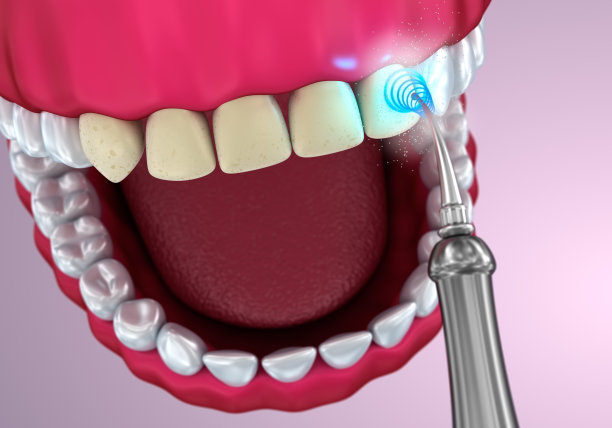
Summary: Dental implant treatment is a revolutionary solution for tooth loss, providing both functional and aesthetic benefits. This comprehensive guide will delve into the numerous advantages of choosing dental implants, the associated risks, and recovery strategies to ensure optimal oral health. By educating patients on what to expect during the entire process, from initial consultation to post-surgery care, we aim to empower individuals to make informed decisions. Whether you are a candidate for dental implants or simply curious about the treatment, this article serves as a valuable resource for understanding every aspect of this dental procedure.
1. Advantages of Dental Implants Explained

One of the primary benefits of dental implants is their ability to restore function. Unlike dentures, which can shift and cause discomfort, dental implants are securely anchored in the jawbone. This secure fit allows individuals to eat a variety of foods without worrying about their prosthetic teeth slipping.
Additionally, dental implants offer significant aesthetic advantages. They are designed to look and feel like natural teeth, thus enhancing one’s smile and boosting self-confidence. Many patients report feeling more comfortable and less self-conscious after receiving implants, making a positive impact on their social interactions.
Moreover, dental implants promote oral health. By preventing bone loss that occurs after tooth extraction, these implants maintain the structural integrity of the jawbone. This not only preserves facial structure but also supports surrounding teeth, reducing the risk of further dental issues.
2. Potential Risks Involved with Dental Implants
Despite the advantages, it is crucial to recognize the potential risks associated with dental implants. Individual health conditions, such as diabetes or smoking, can impact healing and the success of the implant. Patients should disclose their medical history to reduce any associated risks.
Furthermore, surgical complications can arise. While rare, infections, nerve damage, or improper placement can occur during the dental implant surgery. Each of these complications may require additional treatments or procedures, which highlight the importance of consulting with a qualified dentist.
Finally, dental implants can be a financial investment. The overall cost, including surgery, labor, and follow-up care, may be prohibitive for some patients. Understanding the long-term benefits over the initial investment is essential for making an informed decision.
3. Recovery Strategies Post-Implant Surgery
Post-surgery, recovery strategies are vital for ensuring the success of dental implants. Initially, patients should follow their dentists guidelines, which may include taking prescribed medications and avoiding certain foods that could irritate the surgical area. Proper rest is essential for allowing the body to begin the healing process.
Maintaining oral hygiene is crucial during recovery. Gentle brushing and rinsing help prevent infection, while regular dental check-ups allow the dentist to monitor the healing progress. It’s essential for patients to maintain open communication with their dental care provider regarding any concerns or unexpected pain.
Lastly, patience is key in the recovery process. Full integration of the implant into the jawbone may take several months. It is essential for patients to attend follow-up appointments to ensure everything is healing correctly and to receive care if complications arise.
4. Importance of Consultation and Planning
Proper planning and consultation are fundamental to the success of dental implant treatments. Before any procedure, patients should consult with specialists who can evaluate their dental health and determine if they are suitable candidates for implants. Assessment of jawbone density and overall oral health is crucial for successful implantation.
Moreover, treatment planning should include a discussion of the patients goals and expectations. Understanding what the patient wants to achieve with dental implants allows for tailored treatment plans that align with individual needs.
Finally, patients should feel empowered to ask questions regarding the procedure, potential risks, and recovery strategies. Having a clear understanding and a good rapport with the dental team ultimately contributes to a positive treatment experience.
Summary:
In conclusion, dental implants offer a comprehensive solution for tooth loss, transforming oral health and enhancing quality of life. While there are associated risks, understanding these alongside the recovery process equips patients with necessary knowledge. An informed approach to planning and consultation ensures optimal outcomes and patient satisfaction.
This article is compiled by Vickong Dental and the content is for reference only.