**Will Extracting Wisdom Teeth in the Chinese Mainland Cause Excessive Bleeding?**
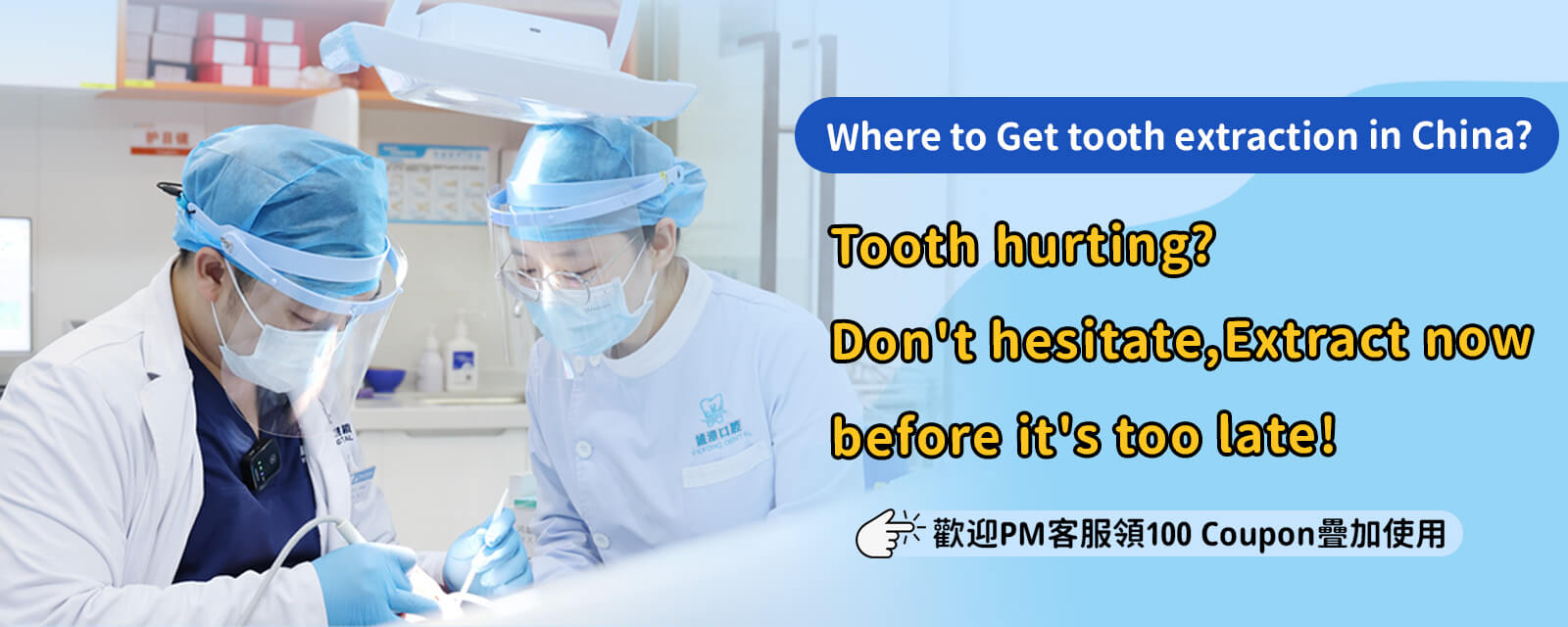
In recent years, many Hong Kong residents have opted to visit dentists in the Chinese Mainland, with wisdom tooth extraction being one of the most popular procedures. There are varied experiences shared by individuals; some report a smooth process, while others experience bleeding and swelling that lasts for several days. This raises the question: does extracting wisdom teeth in the Chinese Mainland lead to more bleeding? The answer depends on several factors, including individual health conditions, surgical techniques, and post-operative care.
Firstly, wisdom tooth extraction is inherently a minor surgical procedure, whether performed in Hong Kong or the Chinese Mainland, and it will inevitably involve some bleeding. Wisdom teeth often grow at awkward angles and are sometimes partially embedded in the gums or jawbone, necessitating incisions in the gums and even cutting parts of the tooth to extract it. This process naturally results in some bleeding, but it doesnt necessarily mean that extraction in the Chinese Mainland will cause excessive bleeding.
Several factors influence the extent of bleeding. The first is the dentists expertise. Experienced dentists will implement effective measures to control bleeding and protect the wound, such as using absorbent cotton or suturing the gums, ensuring the wound remains stable. Secondly, your bodys response plays a role. If you are prone to bleeding or are taking anticoagulant medications, it is crucial to inform the dentist in advance so they can prepare and plan accordingly. Thirdly, the position and complexity of the wisdom tooth are significant. If the tooth is deeply embedded or at a particularly awkward angle, the surgerys difficulty increases, but this doesnt automatically result in excessive bleeding; proper post-operative care following instructions is key.
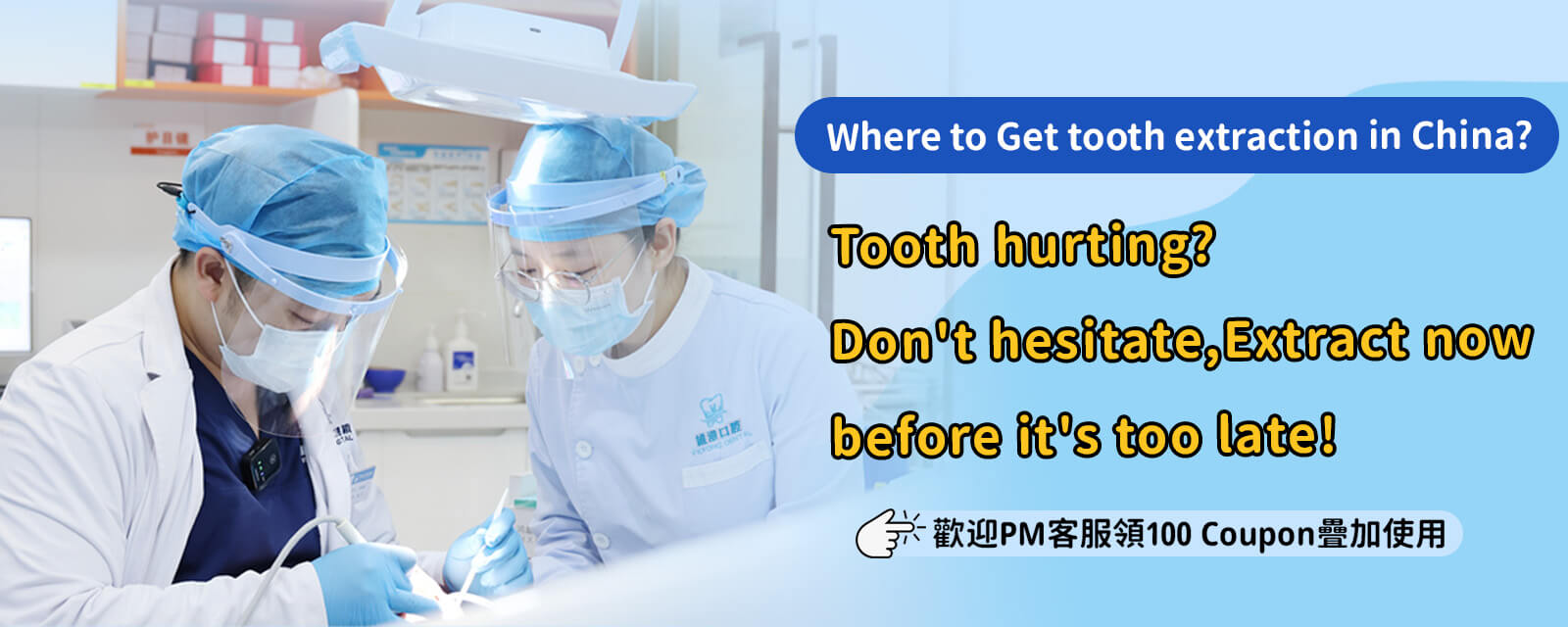
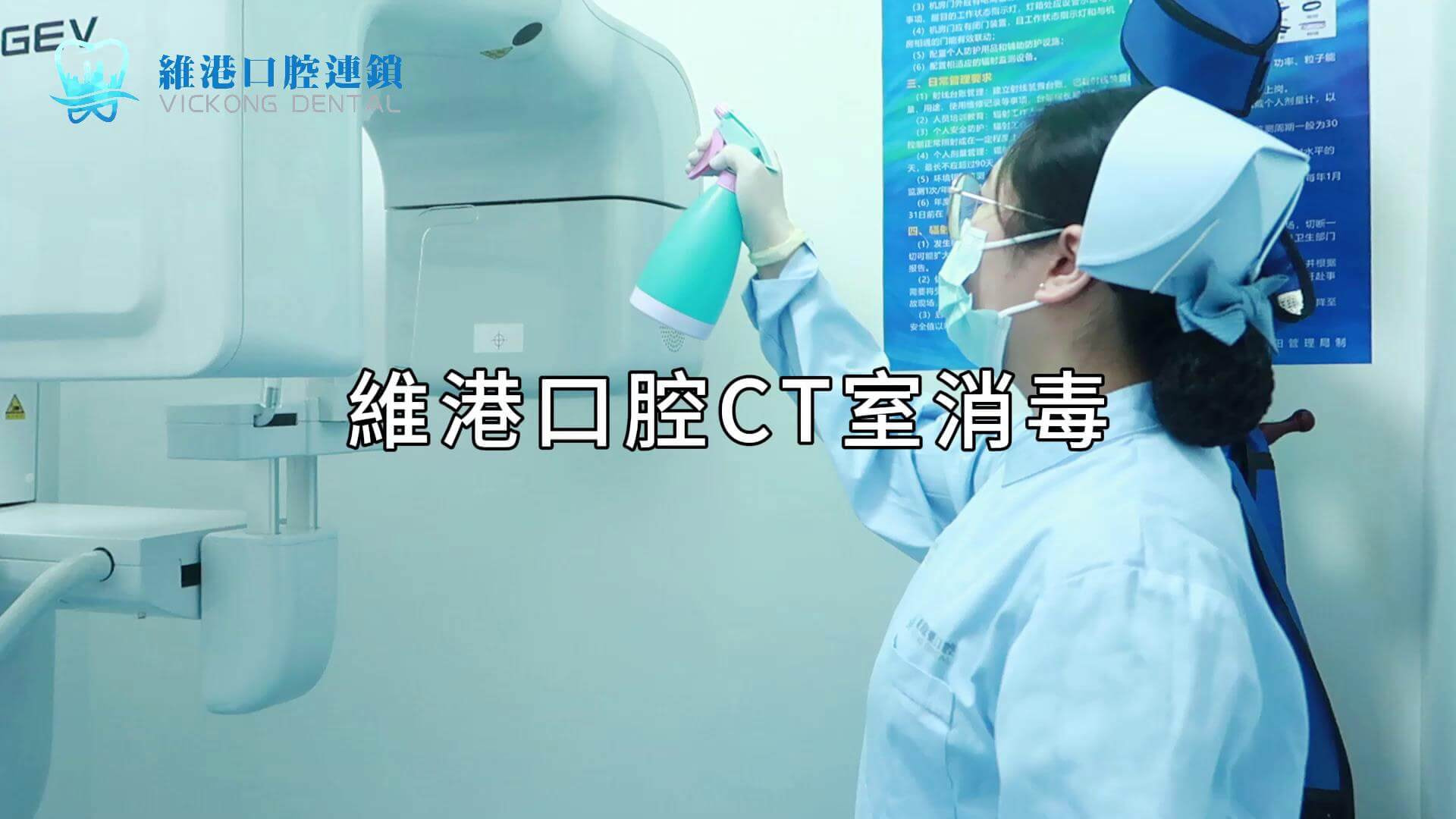
Many Hong Kong residents choose to have their wisdom teeth extracted in the Chinese Mainland due to flexible scheduling, easy appointments, and satisfactory environments. Some clinics boast modern equipment and advanced imaging systems to accurately assess the angle of wisdom teeth, allowing for precise surgical planning. Regardless of the location, as long as the dentist is skilled and attentive, the bleeding can generally be controlled within an acceptable range. However, post-operative care
is often overlooked, which is crucial for speedy and comfortable recovery.
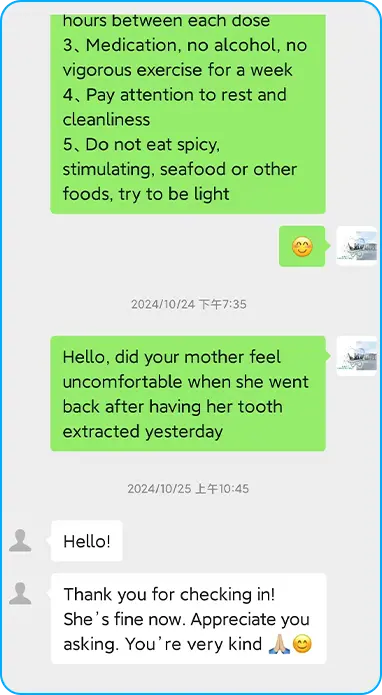
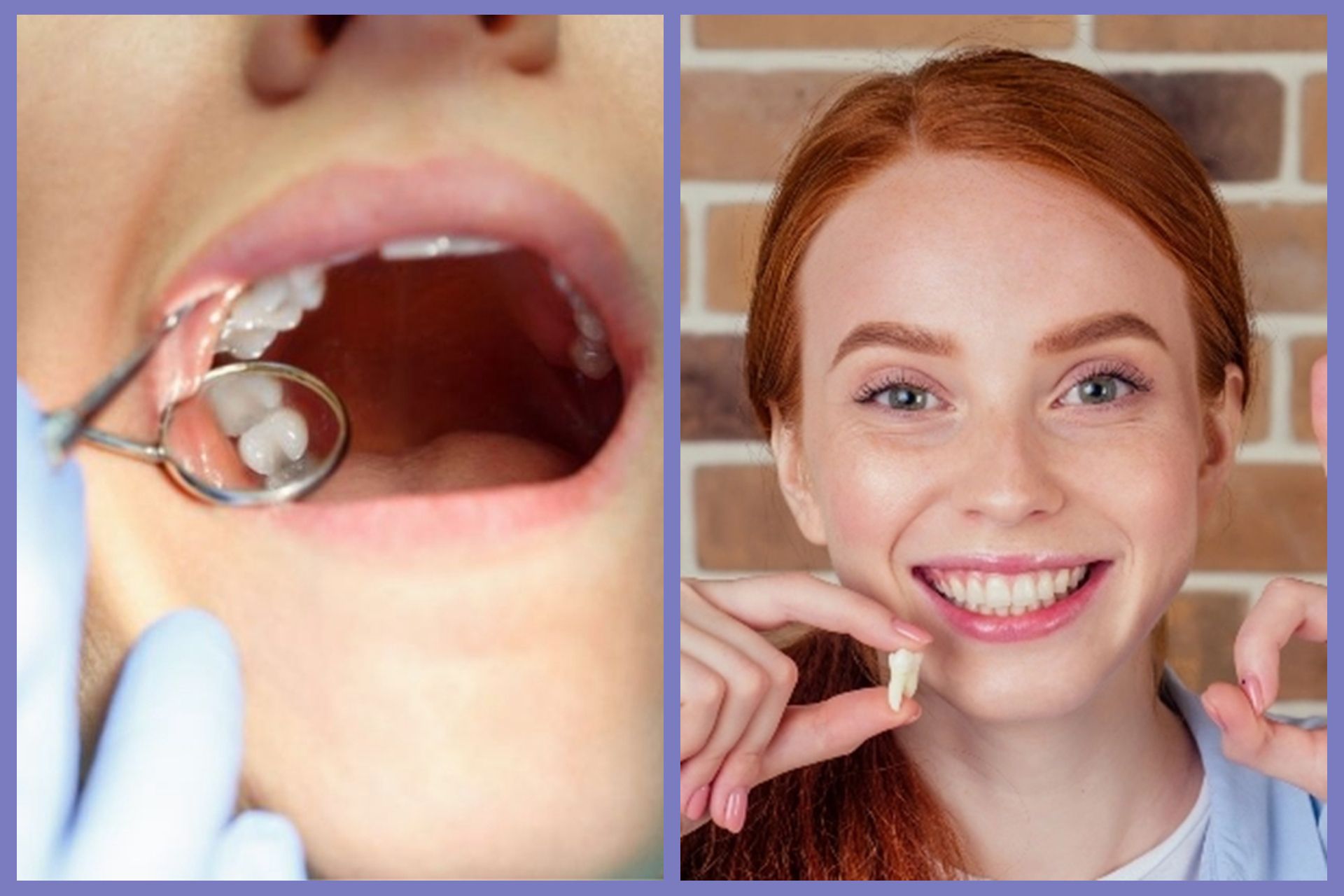
After wisdom tooth extraction, it is important not to rinse your mouth immediately or spit excessively, as these actions can dislodge blood clots and hinder the bleeding control process. Typically, the dentist will advise biting on gauze for about half an hour to stop the bleeding. For the first two days, consume soft foods and avoid hot soups, teas, and spicy items. Refrain from using the injured side for chewing to prevent irritating the wound. Its also advisable to avoid strenuous exercise and alcohol consumption, as these can increase blood circulation and potentially lead to renewed bleeding.
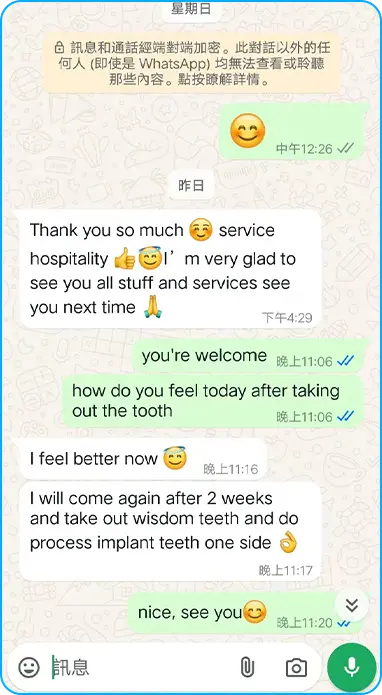
Some individuals report bleeding for several days after extraction in the Chinese Mainland, often due to inadequate oral hygiene or premature rinsing, which destabilizes the wound. Generally, minor bleeding for two to three days is within the normal range, and theres no need for concern unless theres persistent heavy bleeding. If swelling or pain intensifies, promptly revisit the clinic for a check-up to rule out infection or other issues. Dental health should never be neglected.
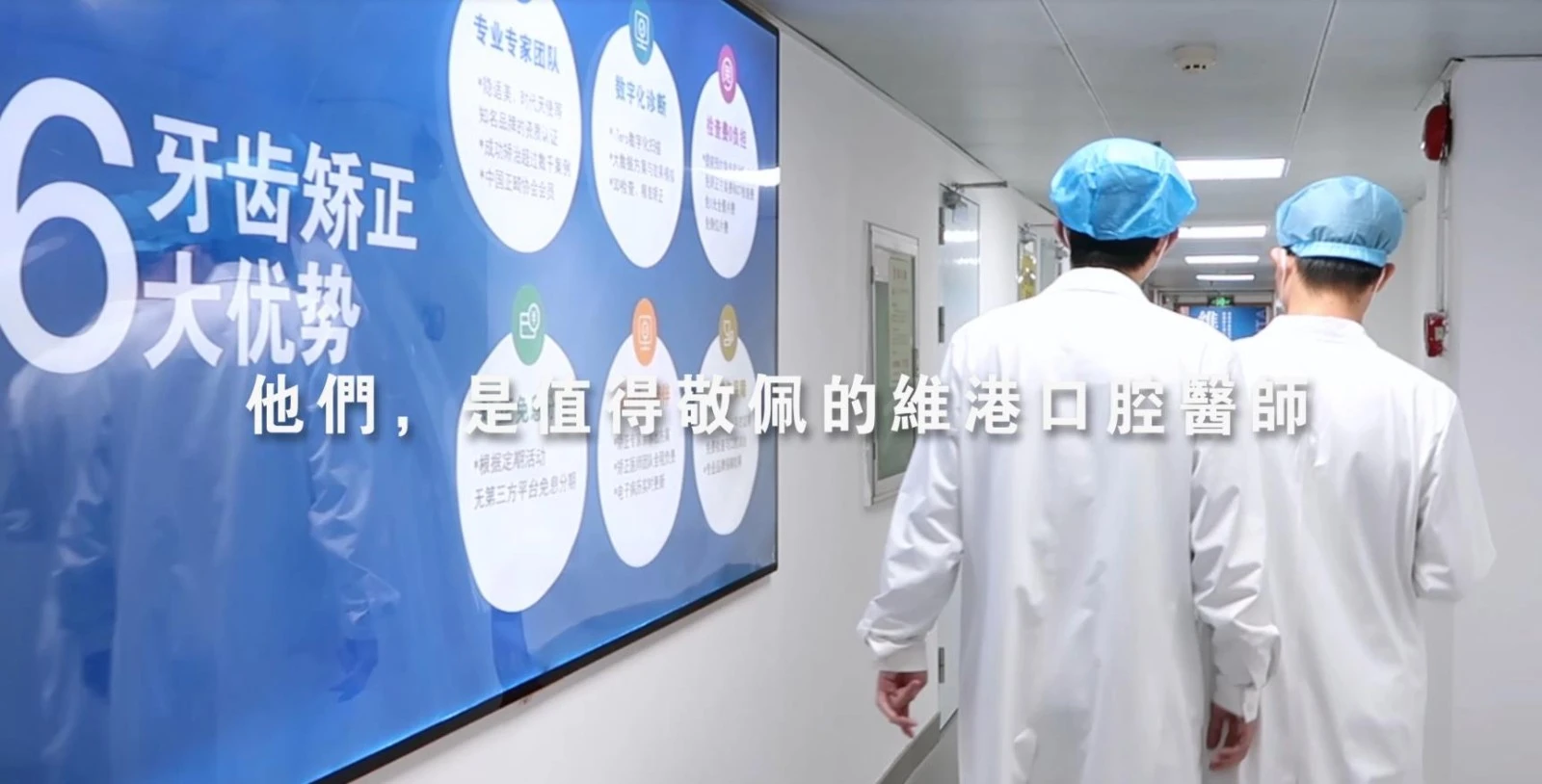
Regarding Hong Kong residents traveling to the Chinese Mainland, many mainland cities now have numerous professional dental centers with clean environments, comprehensive equipment, and satisfactory service attitudes. Some clinics have processes tailored for Hong Kong clients, including Cantonese communication and clear post-operative instructions. By asking questions and following instructions, severe issues are typically avoidable. Maintaining oral hygiene and scheduling regular check-ups after wisdom tooth extraction ensures a swift and stable recovery.
In conclusion, extracting wisdom teeth in the Chinese Mainland doesnt necessarily result in more bleeding; it largely depends on individual circumstances and the dentists approach. Bleeding is a normal occurrence, but effective bleeding control, rest, and dietary management can significantly reduce discomfort. If you are concerned, communicate with the local clinic before your visit to understand their surgical methods and post-operative arrangements. Whether in Hong Kong or the Chinese Mainland, staying calm, following the dentists advice, and not rushing the process are essential. Once the wisdom tooth issue is resolved, you can enjoy eating without pain and smile with confidence.