**Do You Need Anesthesia for Tooth Extraction in Chinese Mainland?**
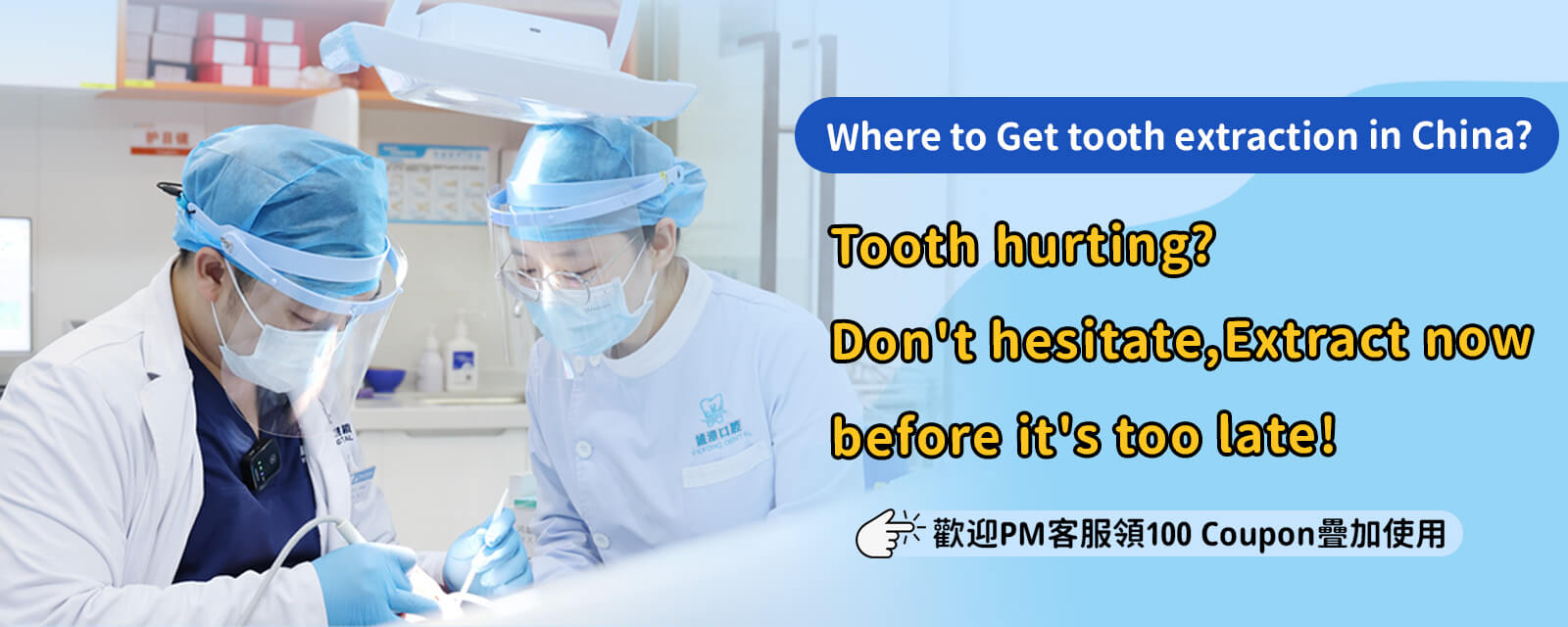
In recent years, many Hong Kong residents have opted to travel to the Chinese Mainland for dental services due to flexible scheduling, quick appointments, and modern facilities. However, a common concern arises: Is anesthesia necessary for tooth extraction in the Mainland? Will it hurt? How does it compare to the procedure in Hong Kong? This question not only pertains to technical aspects but also involves the patients understanding and psychological readiness for the dental procedure.
Generally, whether in Hong Kong or the Mainland, local anesthesia is administered before tooth extraction. Dentists inject a small amount of anesthetic near the gums to temporarily block nerve pain. This practice ensures patient comfort and prevents anxiety or panic due to pain. Modern dental anesthetics are extremely safe, with precise dosage control, and take effect within seconds to minutes. Therefore, even if you choose to have a tooth extracted in the Mainland, there’s no need to worry about "not using anesthesia."
Of course, some individuals may feel apprehensive upon hearing the word "injection," fearing pain, unclean anesthetics, or side effects. However, todays dental anesthetics and equipment are standardized and strictly regulated across cities. Most reputable dental clinics use disposable needles and anesthetic vials, ensuring a hygienic and safe process. Before the procedure, dentists assess your health condition, checking for allergies, high blood pressure, or chronic diseases. In essence, anesthesia serves as a protective shield during tooth extraction rather than being optional.
In Hong Kong, dentists typically explain the procedure beforehand, including whether medication is needed, the number of anesthesia injections, and post-extraction care. Dental clinics in the Mainland offer similar explanations, with some using advanced technology like computer-controlled anesthesia, intravenous sedation, or ultrasonic dental equipment to enhance comfort. Experienced dentists evaluate your tooth root structure to determine the anesthesia scope, and complex cases like deeply embedded roots or wisdom teeth may require additional anesthesia to ensure a painless experience.
Some might ask, "Can tooth extraction be done without anesthesia?" Theoretically, if the tooth is loose due to conditions like baby teeth or periodontal disease, anesthesia might not be necessary. Howev
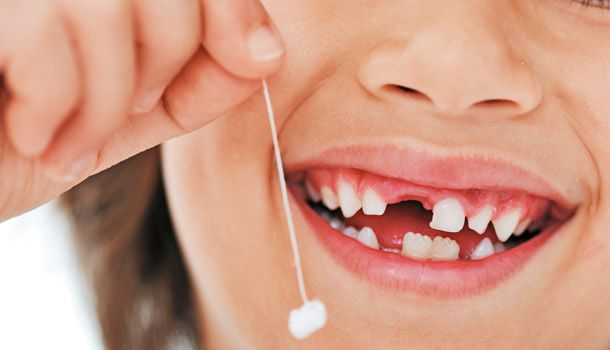
er, most dentists recommend using a small amount of anesthesia, considering individual pain tolerance and endurance. Communication is key—if you prefer not to have anesthesia, discuss the methods, potential pain levels, and risks with your dentist. Professional dentists will respect your decision but also advise you on psychological preparation.
Post-anesthesia, many people experience numbness in the mouth, which is normal. The anesthetic effect generally lasts one to two hours, during which it’s best to avoid chewing or consuming hot drinks to prevent accidental self-biting. Once the anesthesia wears off, you can resume normal eating habits. If numbness persists or feels unusual, promptly consult the clinic.
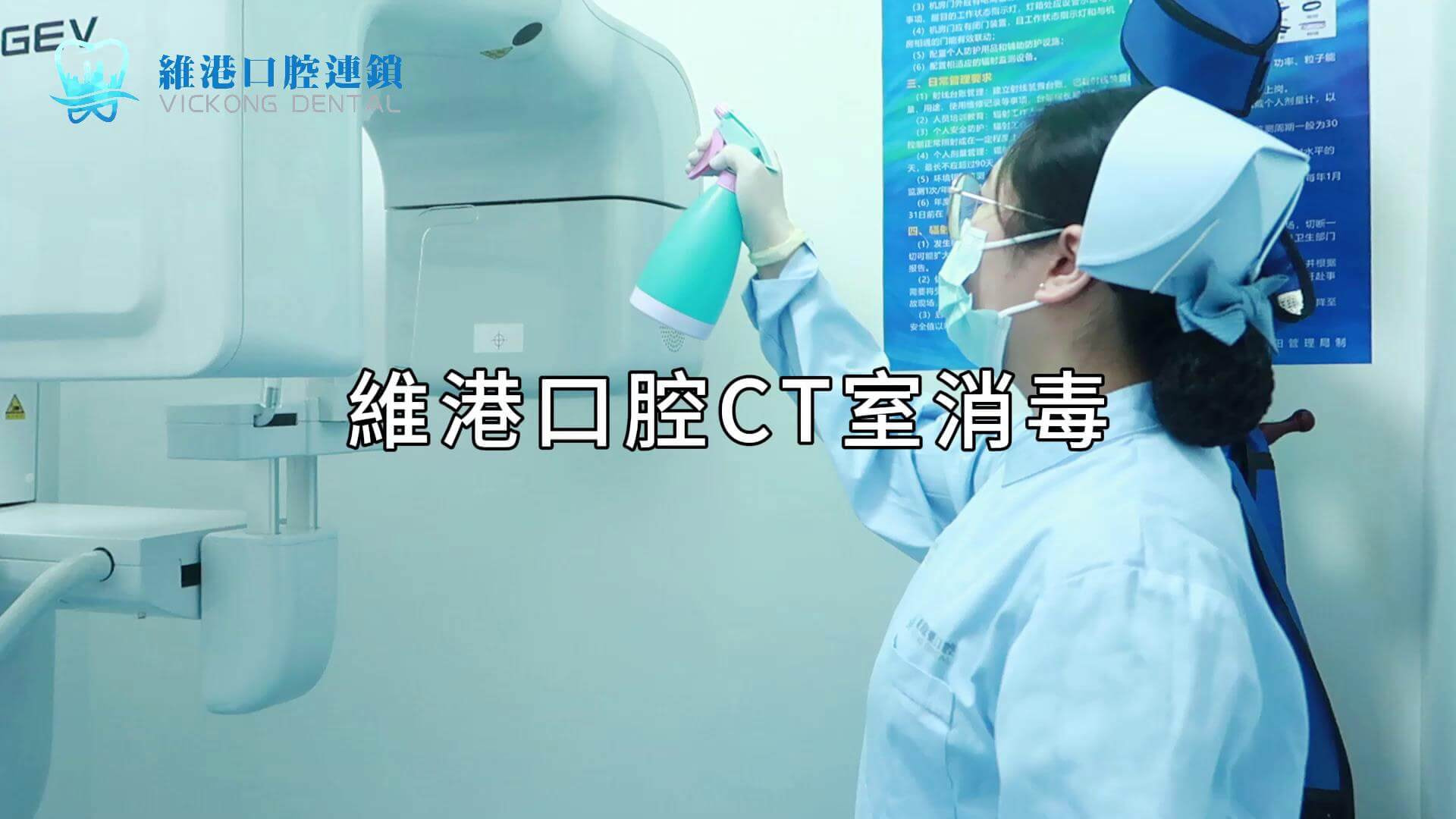
Another concern for Hong Kong residents is the safety of anesthesia administered in Mainland clinics. Currently, dental standards in the Mainland are high, with licensed practitioners explaining the components of the anesthetics used. Some places even offer imported anesthetics similar to those used in Hong Kong, ensuring both composition and safety. To protect yourself, choose reputable clinics and avoid small, unverified establishments in shopping malls.
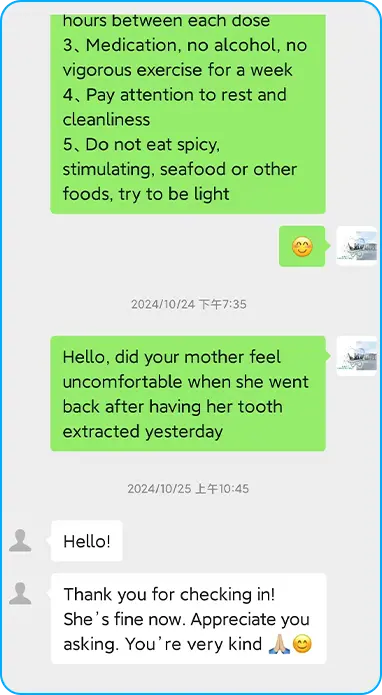
After tooth extraction, once the anesthesia has worn off, pain is usually minimal. However, dentists advise against vigorous activities on the day of extraction to prevent wound irritation. Dietary recommendations include avoiding overly hot or hard foods and chewing on the non-extraction side. Mainland clinics often suggest contacting them or seeing a local dentist if discomfort arises after returning to Hong Kong, ensuring convenient communication.
In summary, anesthesia is necessary for tooth extraction in the Mainland, just as in Hong Kong, aimed at ensuring comfort and minimizing pain and unexpected situations. Anesthesia is not frightening; rather, it is a safe and thoughtful aspect of dental procedures. By verifying clinic credentials, communicating your health status and needs with the dentist, the entire process can proceed smoothly. Modern dental practices focus on a "pain-free experience," so whether you’re extracting a tooth locally or abroad, trust in professional care, remain calm, and take care of yourself.
Therefore, if you plan to visit the Mainland for dental care, there’s no need to worry excessively about anesthesia. With proper preparation and choosing the right clinic, tooth extraction can be a stress-free experience entrusted to professional hands.