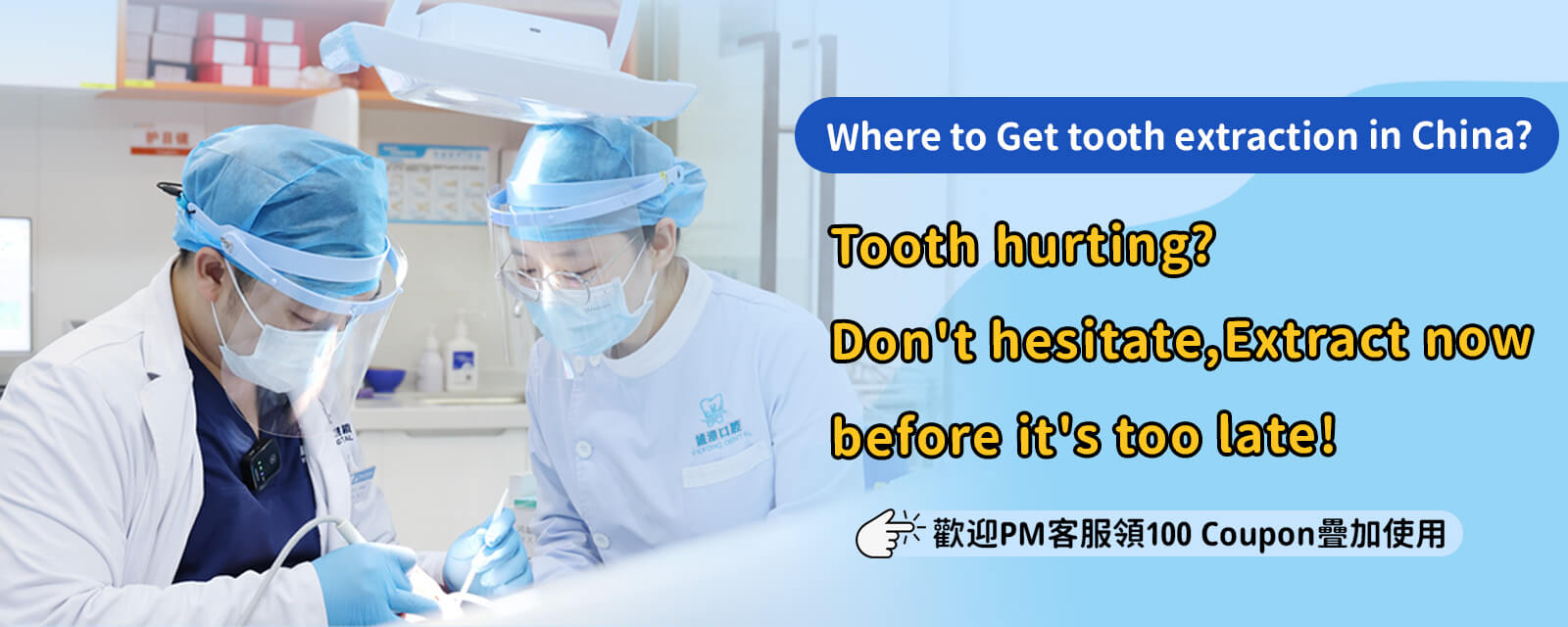
**Is Eating Congee the Best Choice After Tooth Extraction in Chinese Mainland?**
In recent years, many people have opted to travel to Chinese Mainland for dental procedures, including tooth extraction, for various reasons such as convenient transportation, a wider range of choices, or recommendations from friends that instill confidence. A common question arises after tooth extraction: What should you eat? Many wonder if eating congee is the best choice after having a tooth extracted in Chinese Mainland.
After a tooth extraction, both the teeth and gums need time to heal. In the first few days post-surgery, you may experience slight swelling or mild pain in the mouth, making the texture and temperature of food crucial. Congee is soft and easy to swallow, requiring minimal chewing, which reduces irritation to the gums. This is why many choose congee as their post-extraction meal. Particularly after a tooth extraction in Chinese Mainland, if you need to return to Hong Kong the same day, congee is convenient for consumption during travel.
However, congee is not the only option. Post-extraction dietary choices should focus on being soft, gentle, and easily digestible. Options like steamed eggs, tofu, pumpkin puree, and fish soup are excellent alternatives. Congee is popular because it provides hydration and can be easily fortified with nutrients by adding minced lean meat, vegetable puree, or fish, enhancing protein and fiber intake to aid wound healing.
For those traveling to Chinese Mainland for tooth extraction, consider the time and transportation conditions for your return journey. Eating immediately after extraction may increase the risk of bleeding, so its best to follow your dentists instructions and wait a while before eating. Once back at your hotel or home, prepare a bowl of warm congee—not too hot or cold—to consume slowly. Foods that are too hot can stimulate blood vessels and cause bleeding, while very cold foods may increase gum sensitivity, making moderate temperature crucial.
Additionally, in the first few days post-extraction, avoid hard, spicy, sour, or overly sweet foods to prevent wound irritation or infection risk. The advantage of congee is that you can control the ingredients and flavors, minimizing spicy seasonings like chili, vinegar, or strong curry, which are not recommended.
Congee culture is prevalent in Chinese Mainland, with many restaurants offering a variety of
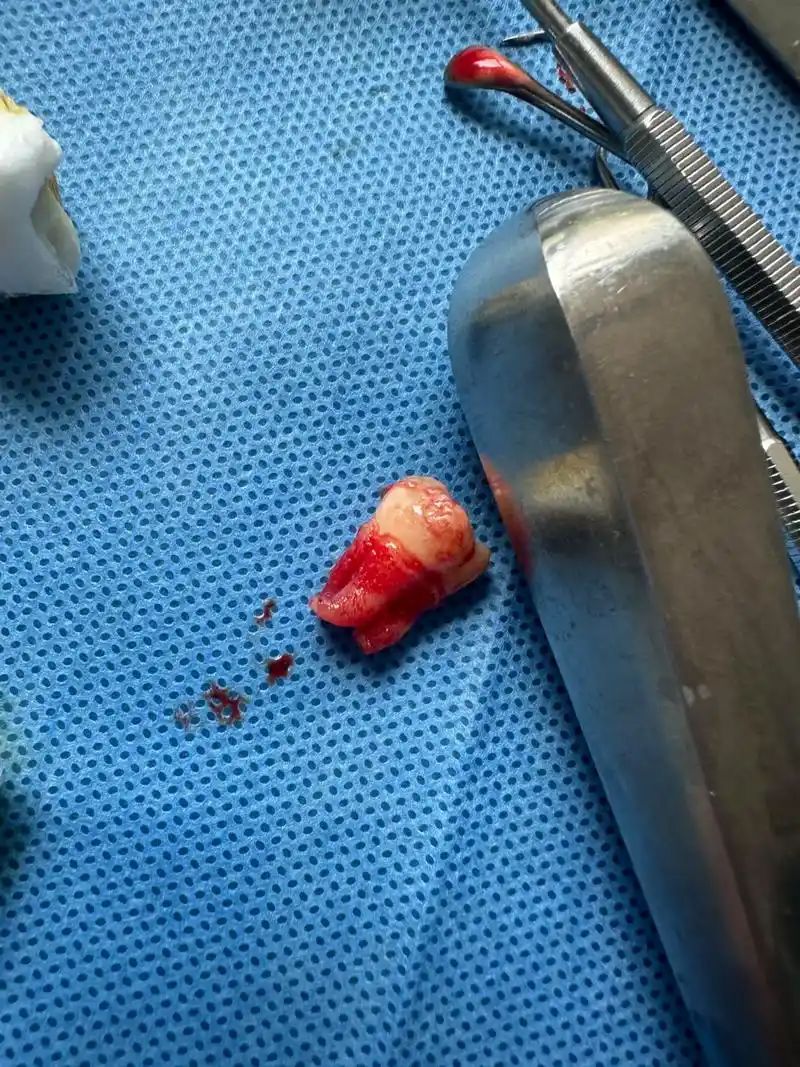
congee options, such as fish congee, preserved egg and lean pork congee, and vegetable and pork bone congee, allowing you to choose according to your taste while ensuring freshness and mild flavors.
Post-extraction, its also important to stay hydrated and rest. Drinking water keeps the mouth moist, aiding circulation and recovery, but avoid using straws as the sucking motion can affect the blood clot in the gums, leading to complications like dry socket. Whether extracting teeth in Hong Kong or Chinese Mainland, dentists typically advise patients to eat slowly and carefully in the first couple of days, avoiding hard foods.
Tooth extraction in Chinese Mainland is not significantly different from local procedures, aside from transportation arrangements and dental experiences. Some choose Chinese Mainland for its new environment, comprehensive facilities, or to combine the trip with shopping. However, remember that tooth extraction is a medical procedure, and its essential to follow your dentists advice before and after the extraction, not neglecting oral care for convenience.
While congee is a good choice, its also important to include other nutritional sources like soft proteins, mild vegetables, and fruit purees to ensure adequate nutrients for wound repair. Dont misunderstand congee as lacking nutrition; the key is how to utilize its versatility to incorporate suitable ingredients.
In summary, eating congee after tooth extraction in Chinese Mainland is considered a safe and comfortable dietary choice by many, but its not the only option. The soft, easy-to-digest, and convenient preparation characteristics make congee a top choice post-extraction. However, its crucial to follow your dentists dietary recommendations, focus on nutrition and temperature control, and adapt to your lifestyle habits for optimal recovery, whether youre extracting teeth in Chinese Mainland or Hong Kong.
If youre planning to travel to Chinese Mainland for tooth extraction, prepare in advance for meals and transportation, ensuring you have soft and convenient foods like congee, steamed eggs, and fish soup ready to meet your dietary needs in the days following surgery. Eating congee is not just about convenience; its a thoughtful way to allow your mouth to rest and recover. After tooth extraction, take care of yourself by eating slowly and chewing carefully, and your body and gums will quickly return to health.