**How to Identify Abnormal Swelling After Tooth Extraction in Chinese Mainland**
In recent years, many Hong Kong residents have opted to travel to the Chinese Mainland for tooth extractions. This choice is often due to the convenience of transportation, advanced clinic facilities, and more flexible appointment scheduling. However, tooth extraction is a surgical procedure, and whether performed in Hong Kong or the Mainland, it can lead to swelling or mild discomfort. Its crucial to distinguish between normal and abnormal reactions to address potential issues promptly.
**Normal Swelling After Tooth Extraction**
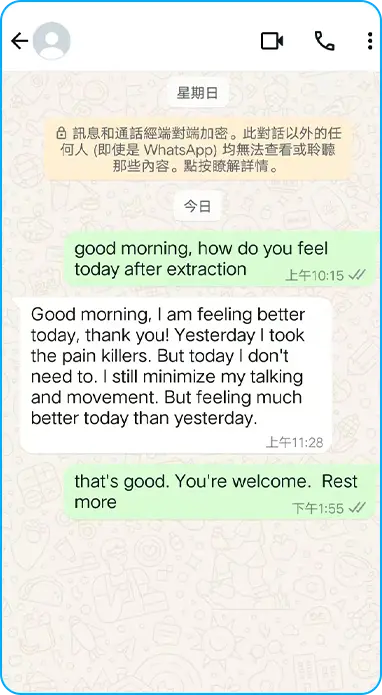
Experiencing mild swelling near the extraction site within the first two days post-surgery is a typical response. This is part of the bodys natural inflammatory process aimed at protecting the wound and accelerating healing. Generally, swelling peaks on the second day and gradually subsides. By following your dentists instructions on applying ice and maintaining oral hygiene, you should notice significant improvement within three to five days.
Normal swelling may be accompanied by slight soreness or a feeling of tightness, but it should not worsen. Resting and avoiding excessive use of the affected side can help manage these symptoms without undue concern.
**Identifying Abnormal Swelling**
If swelling intensifies on the third or fourth day after extraction, accompanied by severe pain, difficulty opening your mouth, or redness and warmth in the cheeks, it may indicate an infection or wound complication. Here are some warning signs to watch for:
1. **Expanding Swelling**: If the swelling spreads beyond the gums or cheeks to areas like under the eyes, jawbone, or neck, seek immediate dental evaluation.
2. **Persistent Severe Pain**: Pain should decrease daily. If it intensifies or disrupts sleep, it could be a sign of alveolar osteitis, commonly known as dry socket.
3. **Unpleasant Odor or Discharge**: Continuous yellow or white discharge from the wound, or a noticeable odor, suggests infection.
4. **Fever or General Discomfort**: Symptoms like fever, fatigue, or swollen lymph nodes signal the bodys response to infection.
In such cases, do not endure the discomfort. Contact your original clinic or visit a nearby reputable dental facility promptly. Avoid self-medicating with ointments or painkillers, as delaying treatment can hinder the healing of the alveolar bone.
**Preventing Ab
normal Swelling**
Proper post-extraction care is vital to minimizing swelling and infection risks. These tips are applicable whether you have your procedure done in the Mainland or elsewhere:
- **Avoid Vigorous Rinsing in the First 24 Hours**: The extraction site is still stabilizing, and vigorous rinsing can dislodge the blood clot, exposing the wound to inflammation.
- **Moderate Cold Compresses**: Apply a gentle ice pack to the cheek for 10 to 15 minutes at a time, with breaks in between, during the first two hours post-surgery. Avoid placing ice directly on the skin.
- **Maintain Oral Hygiene**: Begin gentle mouth rinsing with warm salt water from the second day. Avoid using harsh mouthwashes.
- **Soft Diet**: Stick to soft foods like porridge, steamed eggs, and soup noodles for the first few days to prevent irritation.
- **Avoid Smoking and Alcohol**: Both can irritate the wound, delay healing, and interfere with blood clot formation.
**Common Misconceptions About Tooth Extraction in the Mainland**
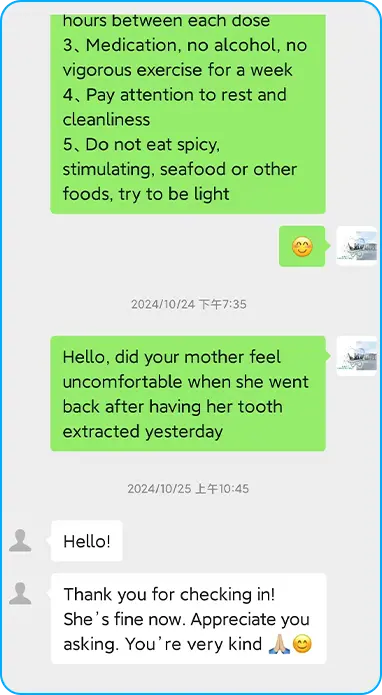
Some people believe that medications in the Mainland are stronger and provide quicker relief, or that the absence of pain means everything is fine. Its important to remember that individual responses to medication vary. Lack of pain does not eliminate the need for proper wound care. Adequate rest, avoiding strenuous activities, and maintaining cleanliness are essential steps in the recovery process.
Additionally, while seeking advice online or reading others experiences can be helpful, its crucial not to follow them blindly. Different hospitals, dentists, and extraction sites vary, and only a professional dentist can accurately assess abnormalities.
**Conclusion**
While traveling to the Chinese Mainland for tooth extractions offers convenience, its essential to be informed about distinguishing between normal and abnormal swelling. Mild redness and swelling are typical and should decrease over time. However, if swelling worsens, or if there are signs of infection, seek medical attention immediately. Whether in Hong Kong or the Mainland, choose a qualified dental clinic with proper sterilization standards and follow the dentists post-operative instructions.
Remember, the tooth extraction procedure doesnt end with the surgery; post-operative care and monitoring are equally important. Stay vigilant, heed professional advice, and ensure a smooth recovery to restore your smile confidently.