Root Canal Failing Dont Ignore These Warning Signs
News
News
News
Root Canal Failing: Dont Ignore These Warning Signs
A root canal is designed to save a tooth by removing infected or inflamed pulp, sealing the inside, and stopping pain. When it works, you can chew comfortably and forget the problem ever existed. But sometimes, a root canal can fail—whether weeks, months, or even years later. Recognizing the early warning signs can make all the difference between a quick fix and a bigger, more complicated issue. If something feels off, don’t wait. Here’s what to watch for and what to do next.
Common Warning Signs of a Failing Root Canal
- Persistent or returning pain: Some soreness after a root canal is normal, but stubborn, throbbing pain—or pain that disappears and then returns—is a red flag. If chewing or biting causes sharp discomfort, it may indicate ongoing inflammation, infection, or a crack in the tooth.
- Sensitivity to temperature and pressure: A properly treated tooth typically loses its sensitivity. If hot coffee, cold water, or pressure from chewing triggers pain, the nerve area may not be fully sealed, or a new issue may be developing around the root.
- Swelling in gums or face: Swelling near the tooth, jaw, or cheek suggests the infection is active. This often comes with tenderness when you touch the gum above the treated tooth.
- A recurring “pimple” on the gums: Also known as a sinus tract, this small bump may drain pus, leading to intermittent relief that keeps coming back. It’s the body’s way of venting infection—and a clear sign to seek professional help.
- Bad taste or odor: A foul taste in your mouth or persistent bad breath can signal that bacteria are present. If this happens near the treated tooth, it may mean the seal has failed or a new infection has set in.
- Tooth discoloration or darkening: A tooth that grows darker after treatment might not be fully healthy internally. While discoloration can have multiple causes, pair it with other symptoms and you have a good reason to get checked.
- Looseness or shifting: A treated tooth that feels loose may have compromised support due to bone loss or gum issues. Mobility, especially with pain, deserves prompt evaluation.
- Jaw or ear pain on the affected side: Referred pain can make it hard to pinpoint the exact source. If you feel discomfort that radiates around the side of your face—especially when chewing—it might be linked to the treated tooth.
Why Root Canals Sometimes Fail
Even when the procedure is done well, teeth are complex. Here are common causes behind a failure:
- Hidden or missed canals: Some teeth have extra canals or unusual twists that are difficult to locate and clean. If bacteria remain in an untreated canal, infection can resurface.
- Leakage from fillings or crowns: If the final restoration isn’t perfectly sealed—or if it wears down or cracks—bacteria can sneak in and reinfect the tooth.
- Cracks and new decay: A tiny crack can provide a pathway for bacteria, and decay under a crown
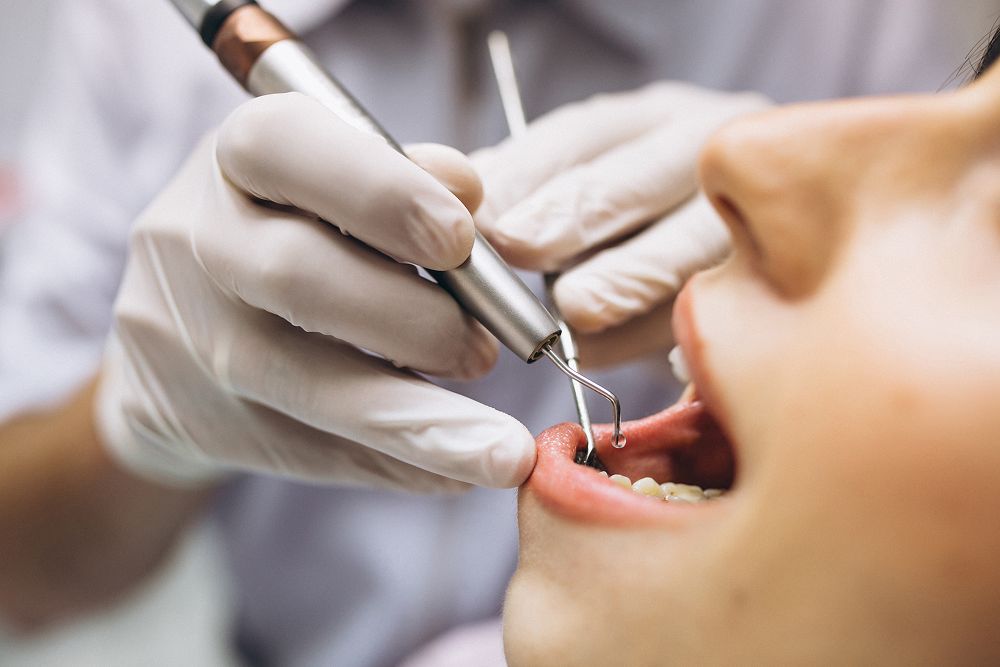
or filling can compromise the seal and the tooth’s structure.
- Delayed final restoration: After a root canal, the tooth needs a proper permanent filling or crown. Waiting too long increases the chance of leakage and infection.
- Anatomical challenges: Curved roots, calcified canals, or complex anatomy can make cleaning and sealing more difficult, allowing bacteria to persist.
What to Do If You Notice Any Warning Signs
- Don’t ignore changes: Pain that interferes with daily life, visible swelling, gum pimples, or a bad taste are not normal. Quick action usually leads to simpler, more successful solutions.
- Call your dentist or an endodontist: Endodontists specialize in root canal treatment and retreatment. They use advanced imaging, such as X-rays or 3D CBCT scans, to identify hidden issues and plan precise care.
- Expect a thorough evaluation: Your clinician may check the bite, test for cracked teeth, assess the surrounding gums, and review the quality of the existing filling or crown to find the true cause.
- Know your options: Depending on what’s found, treatment may include retreatment (re-cleaning and resealing the canals), an apicoectomy (removing the tip of the root and sealing it), or, in some cases, extraction followed by replacement options. The right path depends on your tooth’s condition, the health of surrounding bone and gums, and the long-term prognosis.
What You Can Do to Reduce the Risk of Failure
- Get the final restoration promptly: After a root canal, don’t delay placing the permanent filling or crown. A well-fitted crown helps protect the tooth from cracks and seals out bacteria.
- Protect your bite: If you grind your teeth, consider a night guard. Excessive force can damage the restoration or cause micro-cracks that invite reinfection.
- Maintain consistent oral hygiene: Daily brushing, flossing, and regular cleanings help reduce decay around the treated tooth and keep gums healthy.
- Watch for changes and act early: Small symptoms rarely improve on their own. The sooner you address a problem, the easier it is to fix.
Separating Normal Healing from Trouble
Mild soreness and sensitivity during the first few days after a root canal can be normal, especially when chewing or biting. This typically improves steadily. A failing root canal, however, often produces persistent pain, swelling, a gum pimple, or a bad taste that doesn’t fade—or that returns after a period of relief. If you’re unsure, err on the side of caution and get it checked.
The Bottom Line
Root canals are highly successful, but no treatment is perfect. When warning signs appear—lingering pain, swelling, sensitivity, gum pimples, foul taste, or tooth darkening—don’t wait. Early evaluation by a dentist or endodontist can save the tooth, reduce discomfort, and prevent complications. With prompt care, proper restoration, and good daily habits, you can keep your treated tooth comfortable, healthy, and strong for years to come.
Vickong Dental is a large medical group established in Hong Kong in 2008 by professors from well-known medical universities in Guangdong and Hong Kong, as well as medical doctors from key national '985' universities (including Master's supervisors and senior professors). The chain of branches brings together expert dentists with PhDs and Master's degrees from Hong Kong and Mainland China, committed to providing high-quality dental treatment.
"Vickong Dental Practices the University Motto of 'Healing and Serving Society,' with a Stable Operation for Sixteen Years. It Has Been honored with Hong Kong Enterprise Leaders's Choice,' and is a Global Trusted Implant Center for the Nobel Implant System. Recommended by Hong Kong Metro Broadcast and Guangdong Television, it Serves Customers from Over Thirty Countries and Regions, Gaining the Trust and Favor of Citizens from the Guangdong-Hong Kong-Macau Greater Bay Area and Surrounding Cities.
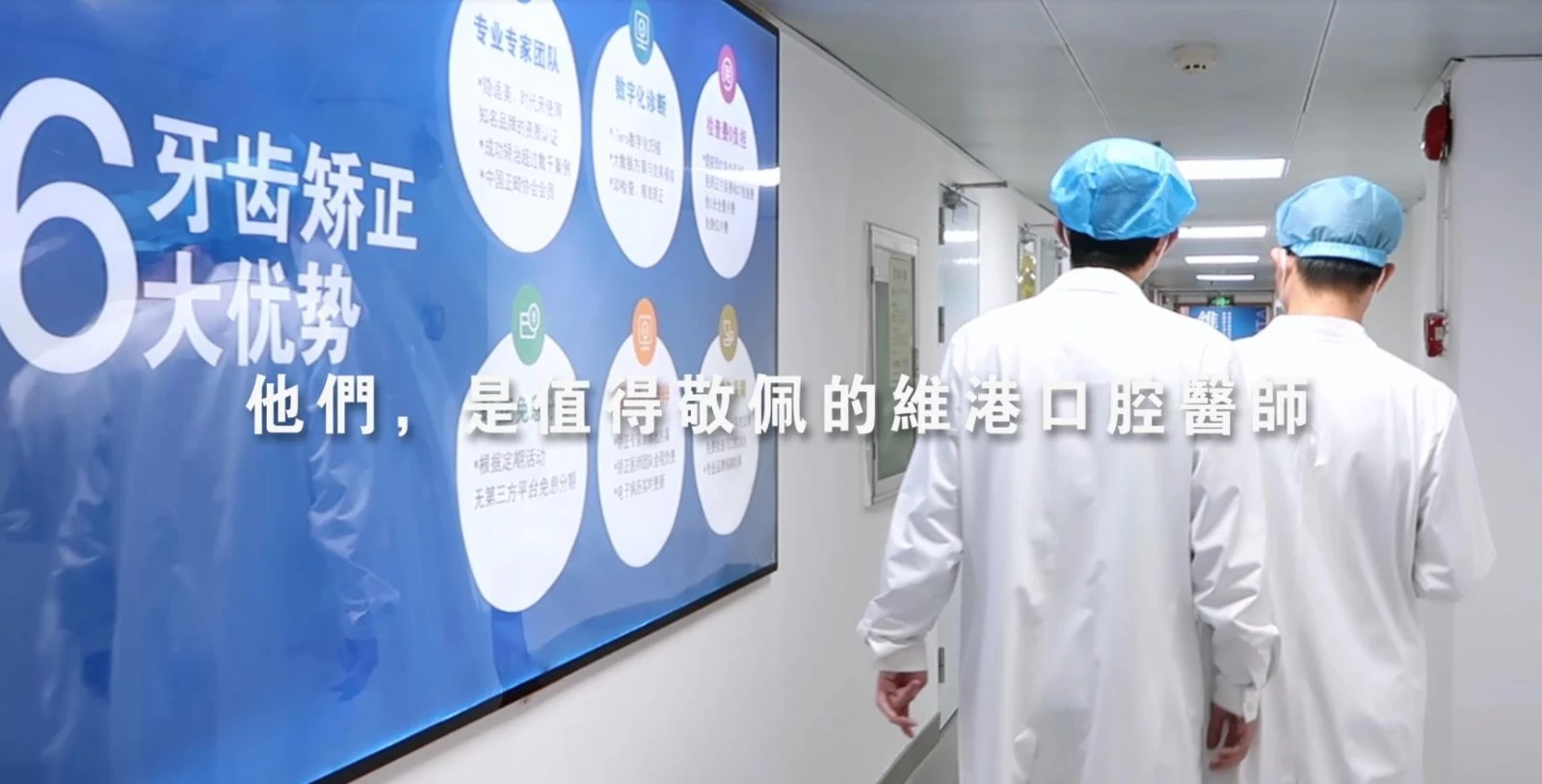
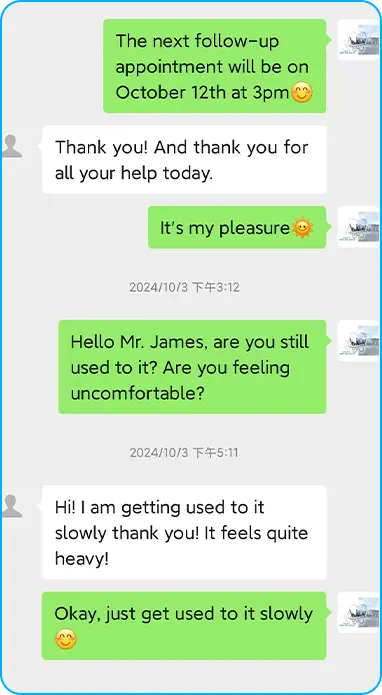

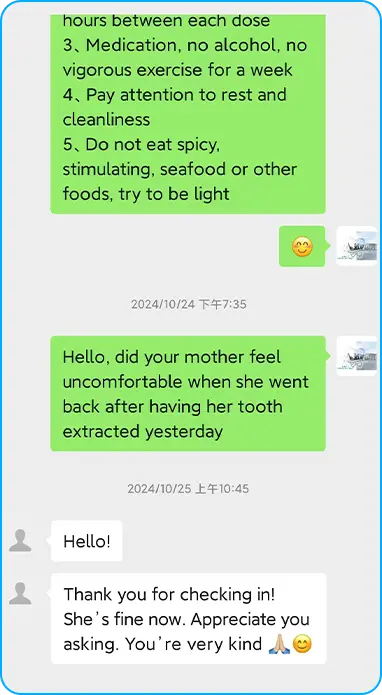
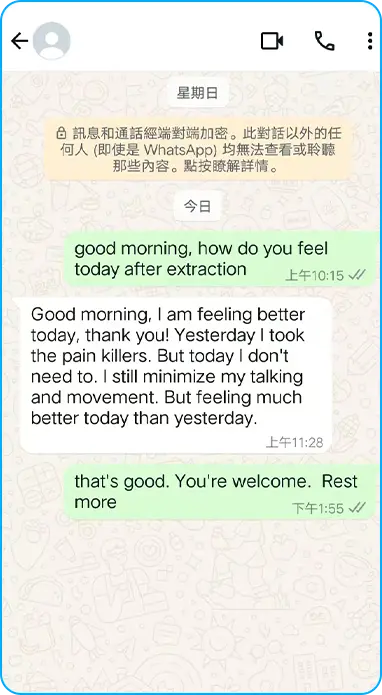
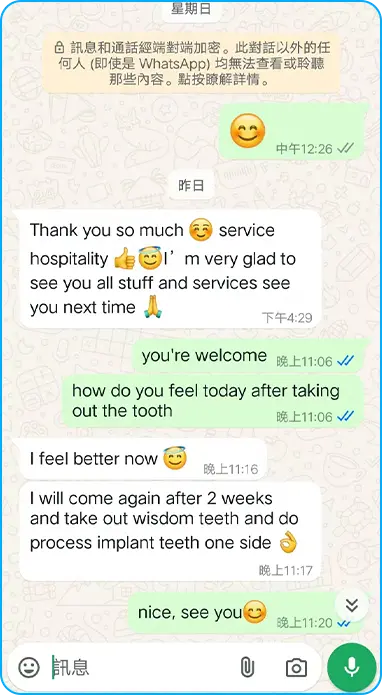


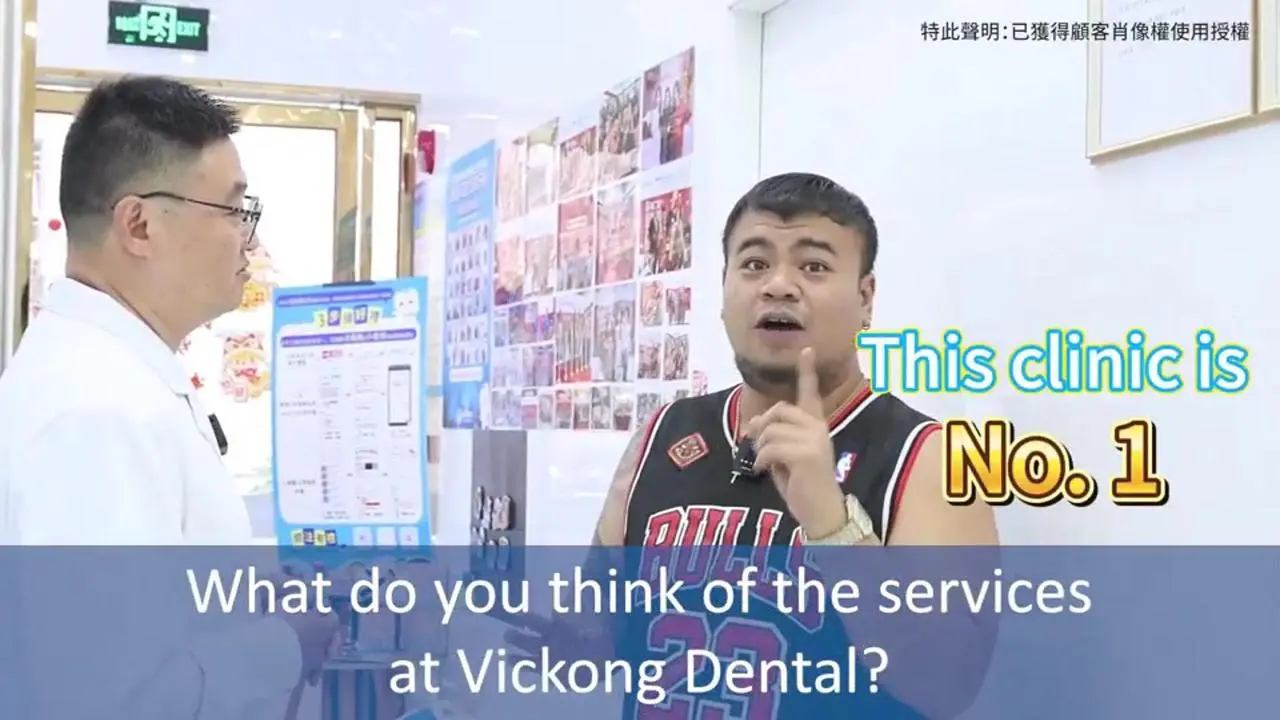
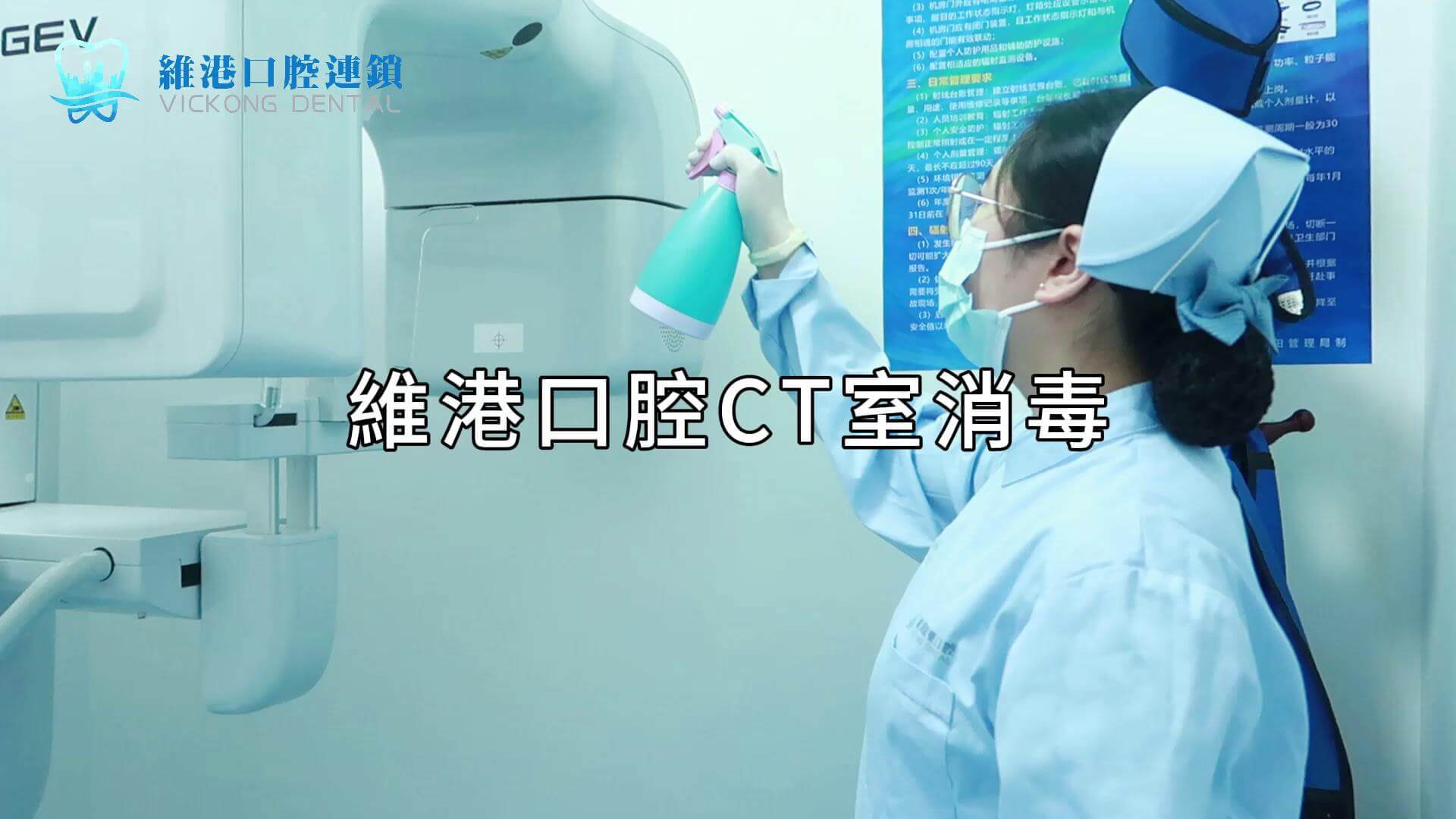

Vickong Dental practices the university motto 「Medicine to Benefit Society」, with each branch bringing together highly qualified dentists with doctoral and master’s degrees from Hong Kong and the Mainland, and has maintained seventeen years of steady operation。Recipient of 「2024 Hong Kong Enterprise Leaders Brand」, 「2025 Hong Kong Enterprise Leaders Brand」, a Nobel Biocare Global Trusted Implant Center, and a brand recommended by Metro Radio Hong Kong and Guangdong TV。
To date, we have served customers from more than thirty countries and regions,earning exceptionally high word-of-mouth recognition and trusted recommendations from residents across the Guangdong-Hong Kong-Macao Greater Bay Area and surrounding cities
We have eight major branches in Zhuhai、Shenzhen,and a consultation and service assurance center in Hong Kong,so you can book a free consultation at any time for any questions,which is very reassuring.
No! As long as the actual treatment has not started, you will not be charged any fees.
No, there won’t be any additional charges. Before treatment begins, we will clearly explain the treatment plan and its corresponding fees. Only after the patient agrees and signs the consent form will we proceed with the dental service.
Yes. Vickong Dental accepts payment in Hong Kong dollars. The amount will be converted based on the exchange rate of the day, and the applicable rate will be clearly communicated to you in advance.
Yes. Please contact us via **WeChat** or **WhatsApp** as early as possible, providing your original appointment time and details, along with your preferred new date and time slot for rescheduling.


Click "OK" to consult and make an appointment at the Vickong Dental, and apply for free X-Ray fees and free consultation fees!
Click "OK" to consult and make an appointment at the Vickong Dental, and apply for free X-Ray fees and free consultation fees!