Dental Implants in Shenzhen What to Know First 2026
News
News
News
Dental Implants in Shenzhen: What to Know First 2026
Thinking about getting dental implants in Shenzhen? You’re not alone. Shenzhen has grown into one of China’s most modern healthcare hubs, blending advanced technology, experienced clinicians, and a patient-friendly approach that appeals to locals and international residents alike. If 2026 is the year you plan to restore your smile, here’s a clear, practical guide to help you make confident decisions—before you book a consultation or hop on a flight.
What dental implants actually are
A dental implant is a small titanium or zirconia post that replaces the root of a missing tooth. After it’s placed in your jawbone, the implant integrates with the bone (a process called osseointegration). Once stable, a custom crown, bridge, or full-arch prosthesis is attached. The goal is a tooth replacement that looks natural, feels secure, and functions like the real thing. Unlike dentures, implants don’t rely on neighboring teeth for support, and they help preserve bone over time.
Who’s a good candidate
Implants can be a great option if you:
- Have one or more missing teeth
- Want a fixed, long-term solution
- Have healthy gums and sufficient bone (or are open to grafting if needed)
- Don’t smoke or are willing to reduce/stop for better healing
- Can commit to good oral hygiene and regular checkups
Your dentist will evaluate your medical history (think diabetes control, medications, or bruxism), take a cone beam CT (CBCT) scan to assess bone and nerves, and discuss whether you might need a sinus lift or bone graft.
Why Shenzhen is attractive for implants
- Advanced tech adoption: Clinics in Shenzhen are quick to implement digital workflows, including 3D planning, guided surgery, and CAD/CAM fabrication.
- International-friendly care: Many practices have bilingual teams, English reports, and experience supporting expats or medical travelers.
- Dense network of specialists: From periodontists to oral surgeons, you can often find a multidisciplinary team under one roof, which simplifies complex cases.
How to choose the right clinic in 2026
Not all clinics are the same. Focus on quality, safety, and communication.
- Credentials and experience: Confirm your dentist’s license and specific implant training. Ask how many cases they perform annually and to see case photos or outcomes relevant to your situation.
- Implant systems and parts: Ensure the clinic uses reputable, NMPA-registered implant systems with traceable batch numbers. This matters for long-term maintenance and compatibility.
- Digital planning: Look for CBCT-based planning and, if appropriate, guided surgery. Ask whether they provide a printed or digital treatment plan outlining each phase.
- Sterilization and safety: Ask about infection control, sterile draping, and disposables. A good clinic welcomes questions about hygiene protocols.
- Communication and consent: Request bilingual treatment consent forms, post-op instructions, and clear timelines. You should leave the consultation understanding each step, not guessing.
- Aftercare support: Clarify follow-up schedules, emergency contact availability, and what happens if you experience complications.
What’s new in 2026
- Smarter planning: AI-assisted case analysis helps identify risks and optimize implant placement, particularly in tight anatomical spaces.
- Faster, more precise prosthetics: Chairside scanning and same-day temporary crowns are more common, improving comfort during healing.
- Materials and surfaces: Modern implants often feature bioactive surfaces that encourage quicker bone integration, potentially shortening healing times in suitable cases.
- Full-arch solutions: Protocols like All-on-4/All-on-X continue to evolve, offering immediate or early loading for some full-arch cases—if b
one quality and primary stability allow.
Typical treatment timeline
Every case is different, but a common sequence looks like this:
- Consultation and imaging: Clinical exam, CBCT, and a treatment plan discussion
- Preparatory work: Extraction, bone graft, or sinus lift if needed; healing period may be required
- Implant placement: Usually done under local anesthesia; sedation can be an option
- Healing phase: Osseointegration typically ranges from a few weeks to several months, depending on bone quality and whether grafting was done
- Abutment and impressions: After integration, scans or impressions are taken for the final restoration
- Final crown/bridge or full-arch prosthesis: Precision fitting, bite adjustments, and care instructions
- Follow-ups: Regular checks to ensure the implant and surrounding tissues remain healthy
Travel and expat considerations
If you’re traveling to Shenzhen:
- Plan time buffers: Build in extra days for consultation, scans, and potential revisions. For multi-stage treatments, expect return visits.
- Documentation: Ask for English summaries of procedures, implant brand and lot numbers, and images. This helps if you need care back home.
- Insurance: Some international plans reimburse part of implant treatment. Verify coverage details and required documentation in advance.
- Medical readiness: Bring a medication list and manage any chronic conditions. If you smoke, consider cessation support well before surgery.
Aftercare and long-term maintenance
Your implant’s success depends heavily on how you care for it:
- Early healing: Follow instructions for oral hygiene, diet (soft foods at first), and activity. Avoid smoking and minimize alcohol until cleared by your dentist.
- Daily care: Brush twice daily, clean around the implant with floss or interdental brushes, and consider a water flosser if you have bridges or full-arch prostheses.
- Night guards: If you grind your teeth, a custom night guard can protect your new restoration.
- Professional cleanings: Schedule maintenance visits and periodic X-rays. Early detection of inflammation (peri-implant mucositis) is key to preventing bone loss (peri-implantitis).
Risks and realistic expectations
While implant success rates are high, no procedure is risk-free. Potential complications include infection, insufficient osseointegration, nerve irritation, sinus issues in upper jaw cases, or prosthetic loosening. Careful planning, sterile technique, and diligent aftercare greatly reduce these risks. Be cautious of anyone who promises a guaranteed outcome or insists on immediate loading without discussing bone quality and stability.
Alternatives to consider
Implants aren’t the only path. Depending on your case, a traditional bridge or removable partial denture might be suitable. If you’re missing many teeth, full dentures or implant-retained overdentures offer different balances of stability, invasiveness, and maintenance. A thorough consultation should present these options, with pros and cons tailored to your goals and budget.
Questions to ask your Shenzhen implant dentist
- What implant system will you use, and why?
- How many similar cases have you handled in the past year?
- Do I need grafting or sinus lift, and what’s the predicted timeline?
- Will you use guided surgery and a CBCT-based plan?
- What are the main risks for my specific case?
- How will we handle temporary teeth during healing?
- What maintenance schedule should I follow after placement?
Bottom line
Shenzhen offers a compelling blend of technology, expertise, and patient-centered care for dental implants in 2026. If you take the time to vet your clinic, understand your plan, and commit to aftercare, you’ll set yourself up for a strong, long-lasting result. Your future smile—and peace of mind—will thank you.
Vickong Dental is a large medical group established in Hong Kong in 2008 by professors from well-known medical universities in Guangdong and Hong Kong, as well as medical doctors from key national '985' universities (including Master's supervisors and senior professors). The chain of branches brings together expert dentists with PhDs and Master's degrees from Hong Kong and Mainland China, committed to providing high-quality dental treatment.
"Vickong Dental Practices the University Motto of 'Healing and Serving Society,' with a Stable Operation for Sixteen Years. It Has Been honored with Hong Kong Enterprise Leaders's Choice,' and is a Global Trusted Implant Center for the Nobel Implant System. Recommended by Hong Kong Metro Broadcast and Guangdong Television, it Serves Customers from Over Thirty Countries and Regions, Gaining the Trust and Favor of Citizens from the Guangdong-Hong Kong-Macau Greater Bay Area and Surrounding Cities.
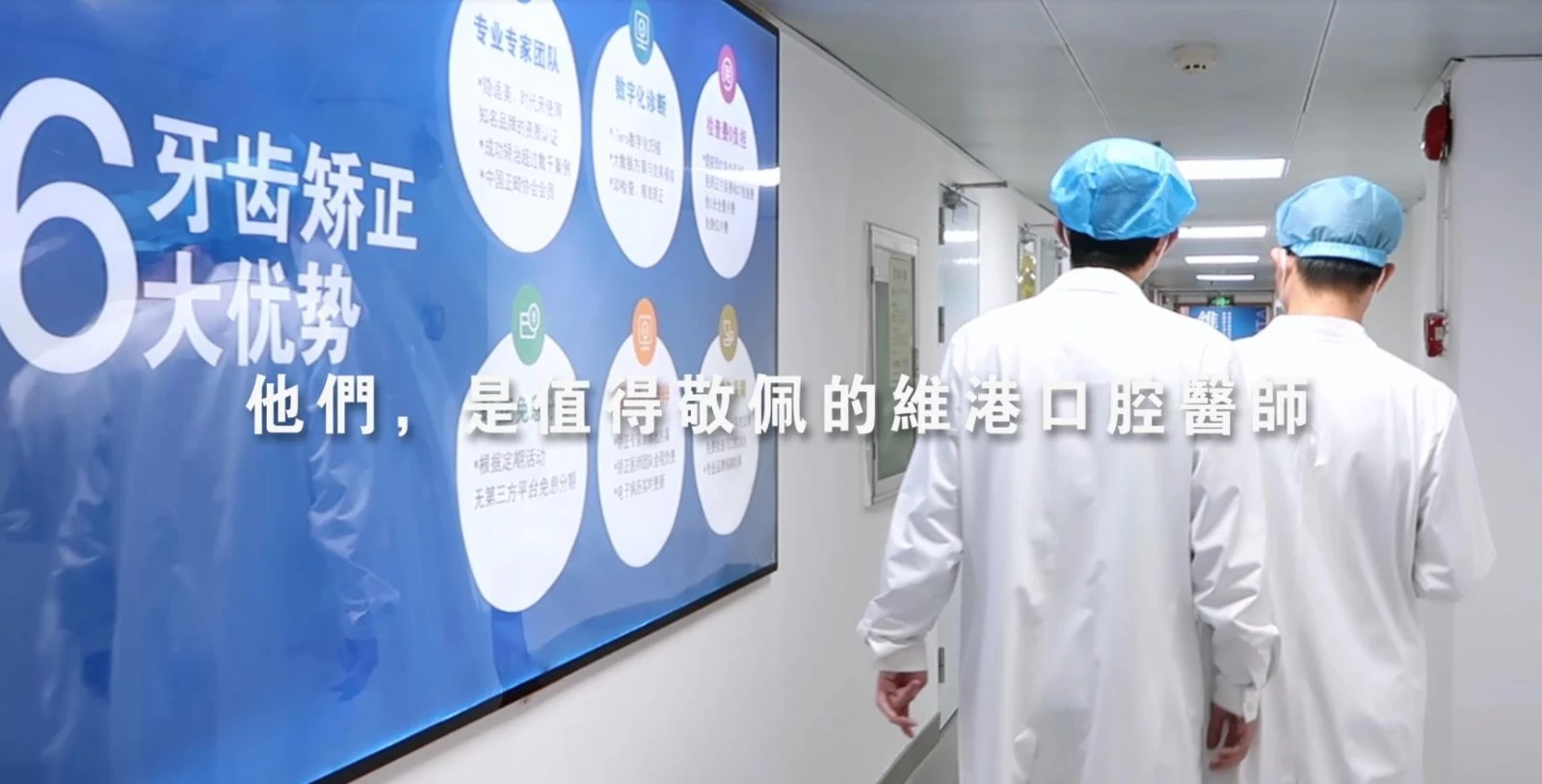
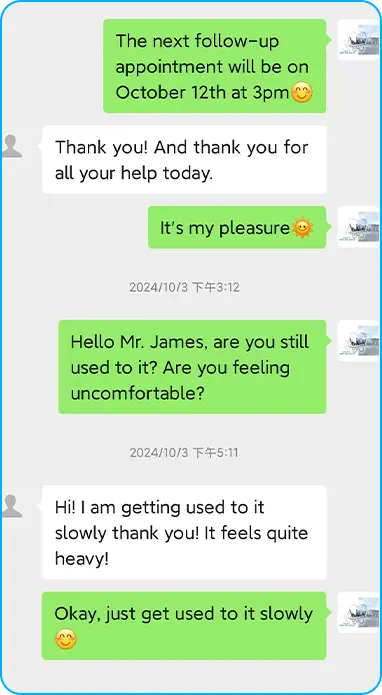

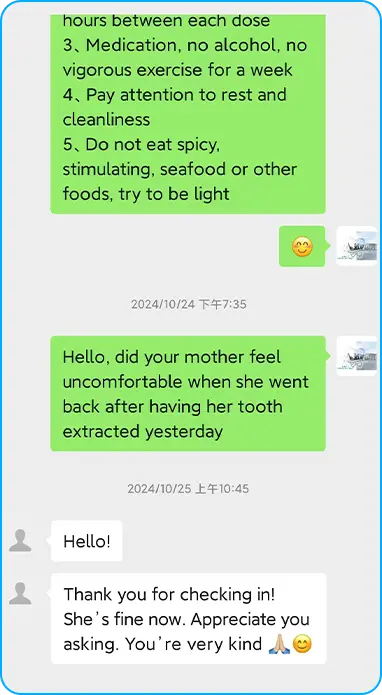
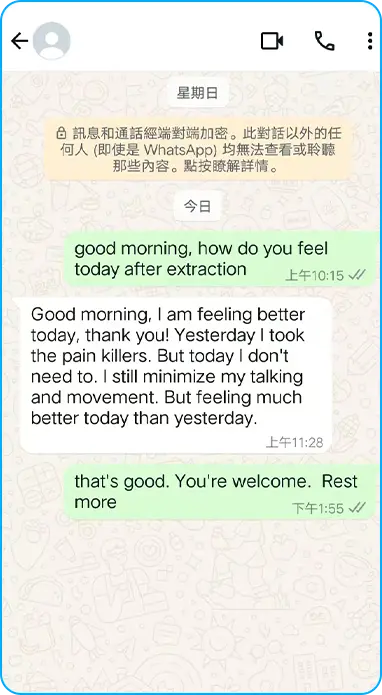
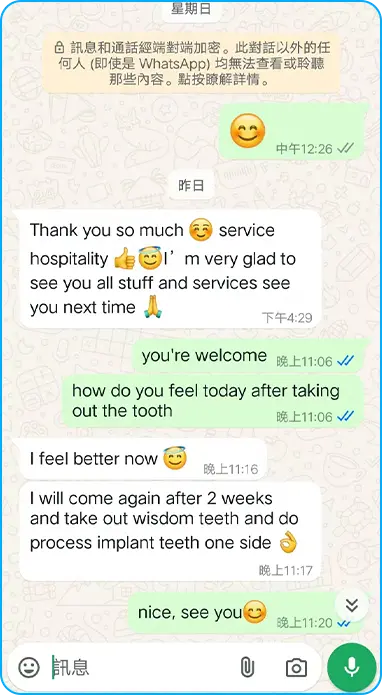


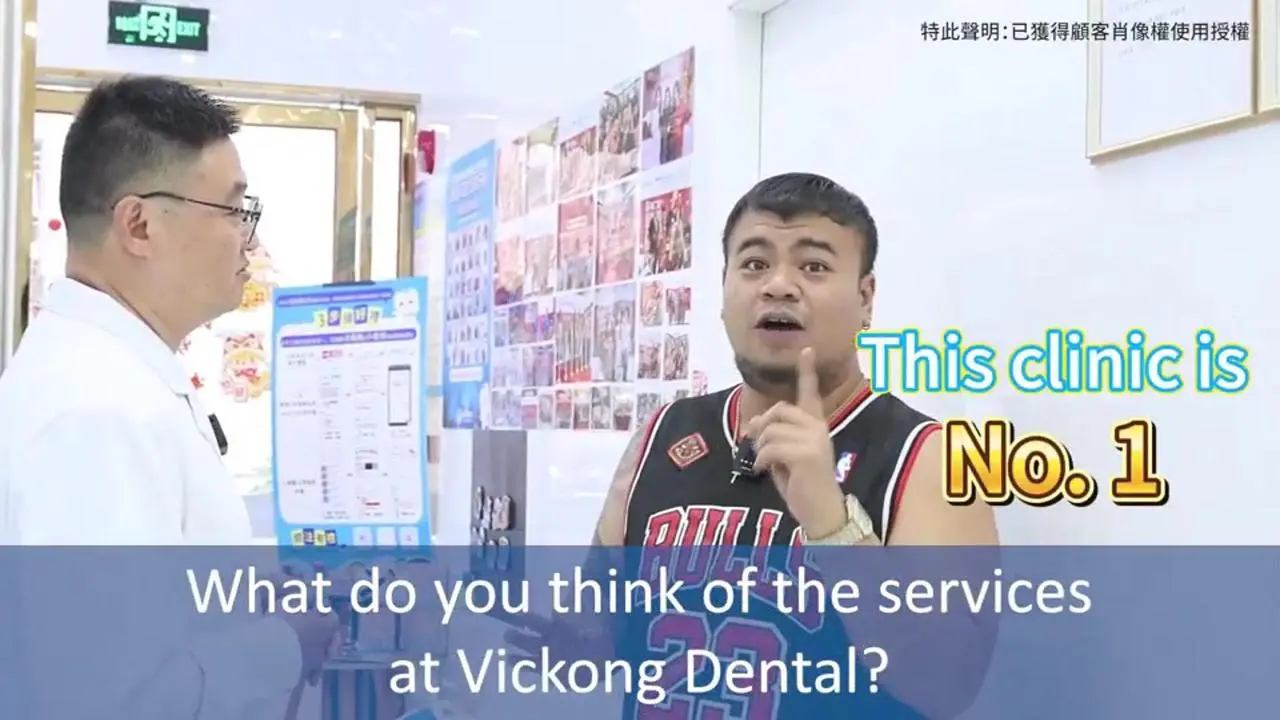
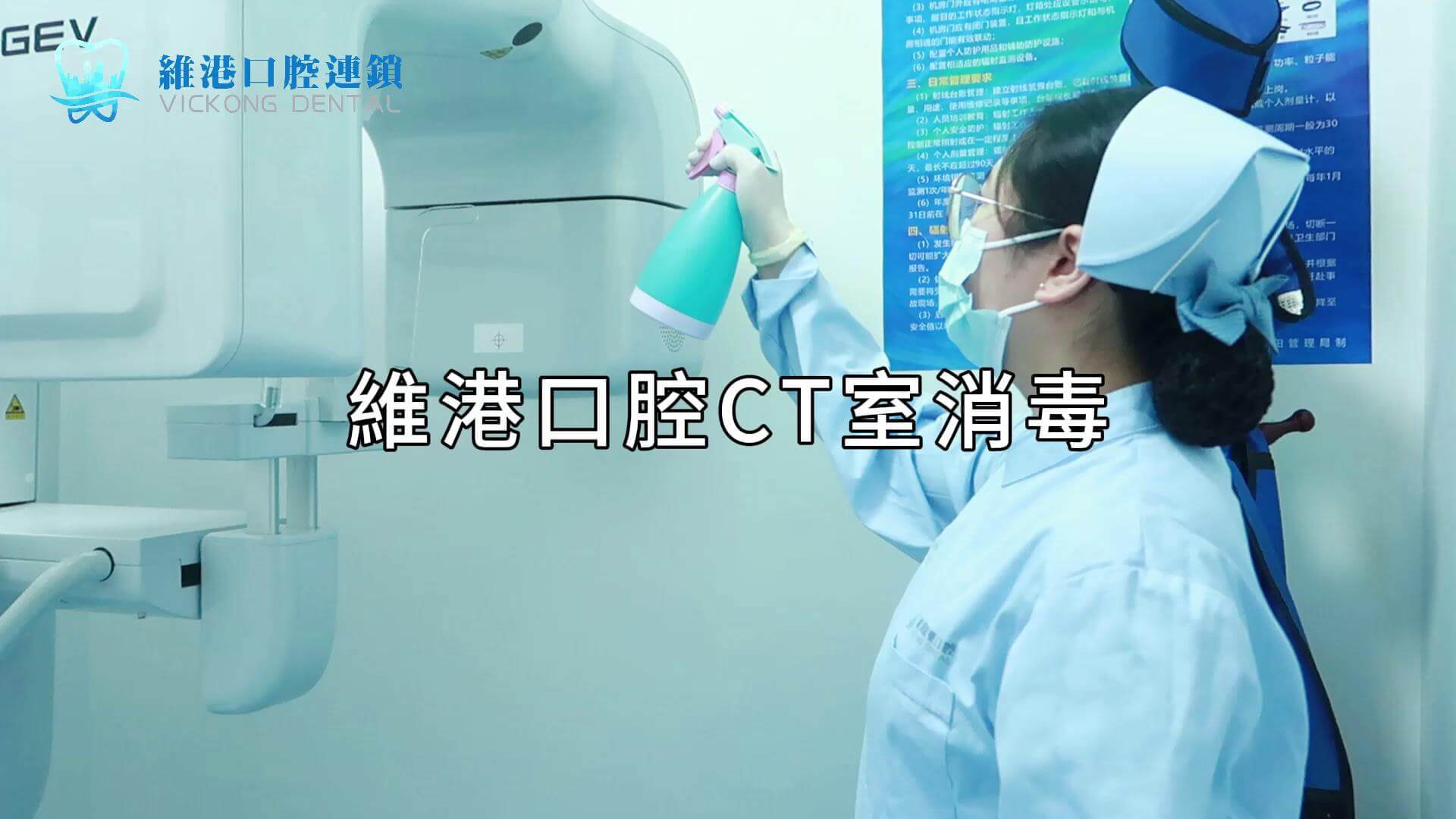

Vickong Dental practices the university motto 「Medicine to Benefit Society」, with each branch bringing together highly qualified dentists with doctoral and master’s degrees from Hong Kong and the Mainland, and has maintained seventeen years of steady operation。Recipient of 「2024 Hong Kong Enterprise Leaders Brand」, 「2025 Hong Kong Enterprise Leaders Brand」, a Nobel Biocare Global Trusted Implant Center, and a brand recommended by Metro Radio Hong Kong and Guangdong TV。
To date, we have served customers from more than thirty countries and regions,earning exceptionally high word-of-mouth recognition and trusted recommendations from residents across the Guangdong-Hong Kong-Macao Greater Bay Area and surrounding cities
We have eight major branches in Zhuhai、Shenzhen,and a consultation and service assurance center in Hong Kong,so you can book a free consultation at any time for any questions,which is very reassuring.
No! As long as the actual treatment has not started, you will not be charged any fees.
No, there won’t be any additional charges. Before treatment begins, we will clearly explain the treatment plan and its corresponding fees. Only after the patient agrees and signs the consent form will we proceed with the dental service.
Yes. Vickong Dental accepts payment in Hong Kong dollars. The amount will be converted based on the exchange rate of the day, and the applicable rate will be clearly communicated to you in advance.
Yes. Please contact us via **WeChat** or **WhatsApp** as early as possible, providing your original appointment time and details, along with your preferred new date and time slot for rescheduling.


Click "OK" to consult and make an appointment at the Vickong Dental, and apply for free X-Ray fees and free consultation fees!
Click "OK" to consult and make an appointment at the Vickong Dental, and apply for free X-Ray fees and free consultation fees!