Summary: Root canal treatment is essential for maintaining optimal dental health, especially when dealing with infected or decayed teeth. This article discusses four critical aspects that contribute to successful root canal procedures: proper diagnosis and planning, effective anesthesia and pain management, the procedures technical execution, and post-treatment care and follow-up. Each section emphasizes precautions necessary to ensure the procedures success, potential complications, and the importance of patient education. Following these guidelines can significantly enhance the likelihood of a successful outcome and foster long-term dental well-being.
1. Accurate Diagnosis and Treatment Planning

Successful root canal treatment begins with an accurate diagnosis. Dentists must conduct a thorough examination, which often includes dental X-rays to assess the condition of the affected tooth and surrounding tissues. This step helps determine the extent of decay or infection and whether a root canal is the appropriate course of action.
Once a diagnosis is made, treatment planning is crucial. This involves discussing the procedure with the patient, explaining what to expect, and addressing any concerns they might have. A clear understanding helps reduce anxiety, which can influence the treatments success.
Moreover, a well-organized treatment plan includes scheduling multiple appointments if necessary. This ensures that adequate time is allocated for each phase of the procedure, allowing for better management of any potential complications.
2. Effective Anesthesia and Pain Management
Another vital aspect of a successful root canal is effective anesthesia. Proper administration of local anesthetics ensures that the patient remains comfortable and pain-free during the procedure. Dentists must evaluate the patients medical history to select the most suitable anesthetic agents.
Pain management doesnt end with the administration of anesthesia. Dentists should also provide information about post-operative pain relief options, including over-the-counter pain medications or prescription options if necessary. This proactive approach prepares patients for their recovery, helping to mitigate discomfort.
Additionally, discussing the importance of following post-treatment care instructions related to pain management can further enhance the patients comfort. Ensuring patients know what to expect allows them to prepare mentally and physically for recovery after the procedure.
3. Technical Execution of the Procedure
The technical execution of a root canal is paramount for achieving the desired outcome. Dentists must use high-quality instruments and materials to ensure the procedures effectiveness. This includes cleaning and shaping the root canals properly to eliminate all infected tissue.
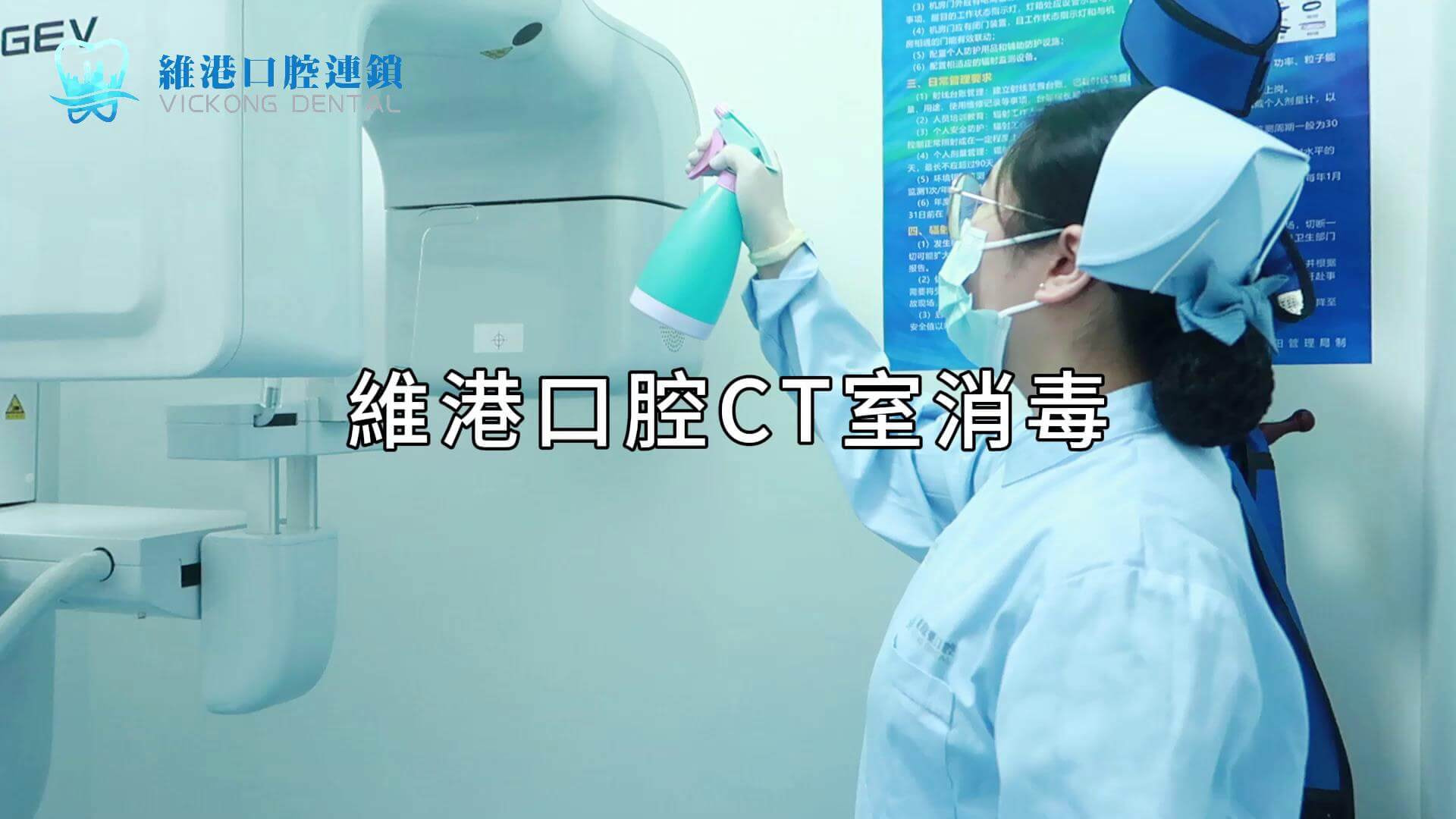
Moreover, maintaining a sterile environment during the procedure is crucial. Infection control protocols must be followed meticulously to prevent contamination. This includes using sterilized instruments and disposable materials whenever possible.
Finally, skill and experience of the dentist play a significant role in the procedures success. Continuous professional development and training are essential to keep abreast of advancements in root canal technology and techniques. This dedication ensures that patients receive the most effective and efficient care possible.
4. Post-Treatment Care and Follow-Up
Post-treatment care is as critical as the procedure itself. Patients should receive detailed instructions on how to care for the treated tooth and the surrounding area. This includes guidance on oral hygiene practices and dietary recommendations to aid in healing.
Follow-up appointments are also essential for monitoring the healing process. These visits allow the dentist to check for any complications, such as persistent pain or signs of infection. Addressing these concerns promptly can determine the long-term success of the treatment.
Moreover, educating patients about the importance of regular dental check-ups can not only help in maintaining optimal oral health but also protect their investment in the root canal treatment. Understanding the need for continuous monitoring reinforces the significance of established dental care routines.
Summary:
In conclusion, ensuring successful root canal treatment involves multifaceted approaches, starting from accurate diagnosis and effective planning, all the way to skilled execution and diligent post-treatment care. By following these essential steps and precautions, dental professionals can significantly enhance treatment outcomes and contribute to optimal dental health. Patients who are informed and engaged in their care are more likely to experience positive results.
This article is compiled by Vickong Dental and the content is for reference only.