Summary: Root canal treatment is often viewed with trepidation among patients, yet it is a critical procedure for preserving dental health. This article outlines essential guidelines designed to ensure a safe and effective experience for both patients and practitioners. By focusing on pre-treatment preparation, procedural techniques, post-treatment care, and communication between dentist and patient, this article aims to foster a comprehensive understanding of root canal treatment. The goal is to empower both parties, thus reducing anxiety and enhancing treatment outcomes through a well-informed approach.
1. Importance of Pre-Treatment Preparation

Pre-treatment preparation is crucial for both patient and practitioner. Patients should undergo a thorough examination to identify any underlying issues that could complicate the procedure. This examination may include X-rays, which help visualize the root structure and any potential anomalies. Proper diagnosis forms the bedrock of a successful root canal treatment.
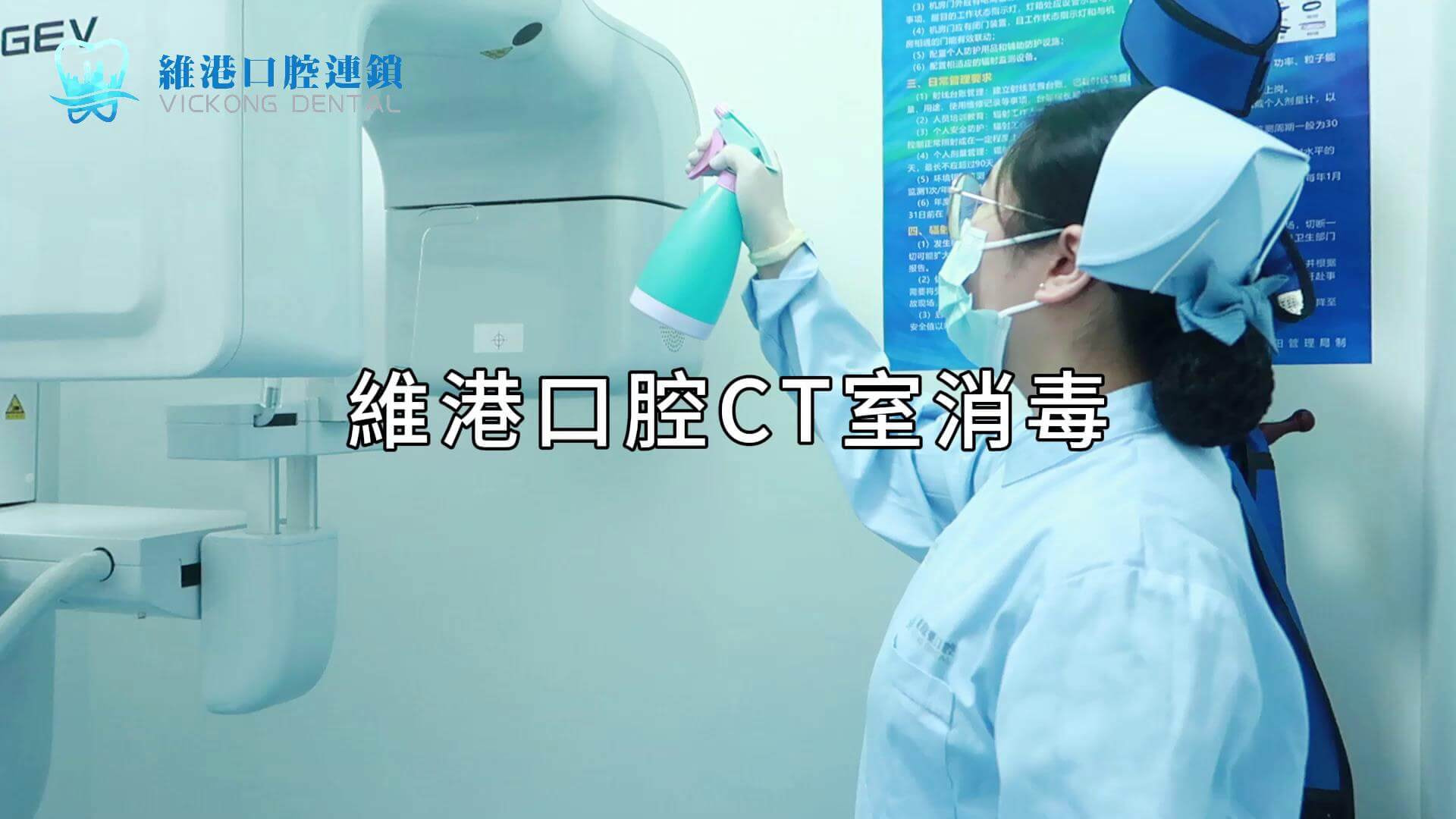
Practitioners should also prepare their tools and environment meticulously. Sterilization of instruments cannot be overstated, as it reduces the risk of infection significantly. Moreover, the treatment area should be free from distractions, allowing the dentist to focus entirely on the task at hand without interruptions.
Lastly, informing the patient about the procedure ahead is essential. This includes discussing what to expect during and after the treatment, which helps alleviate anxiety and promotes cooperation. Providing clear instructions and setting realistic expectations creates an environment of trust between the dentist and the patient.
2. Mastering Procedural Techniques
The effectiveness of root canal treatment largely relies on the skills of the practitioner. Mastering procedural techniques is essential for ensuring a successful outcome. For instance, the dentist must employ proper access cavity preparation to reach the tooths pulp chamber without causing unnecessary damage to surrounding tissues.
Proper cleaning and shaping of the root canal system are vital. Using advanced technologies, such as rotary instruments and apex locators, allows for meticulous cleaning to eliminate bacterial presence while managing the intricacies of the canal structure.
Finally, the use of effective sealing materials is necessary to prevent future infection. Dentists should choose biocompatible materials that offer a tight seal for the root canal system, reducing the risk of reinfection and enhancing longevity.
3. Post-Treatment Care and Follow-Up
Post-treatment care is critical for recovery. Patients should receive detailed guidelines on managing their pain, including recommended over-the-counter medications. Effective pain management through non-steroidal anti-inflammatory drugs (NSAIDs) helps ensure patient comfort and satisfaction during the healing process.
Follow-up appointments are equally important. Dentists should schedule these sessions to monitor healing and address any concerns that may arise. This continuity of care ensures any potential complications are identified and managed promptly.
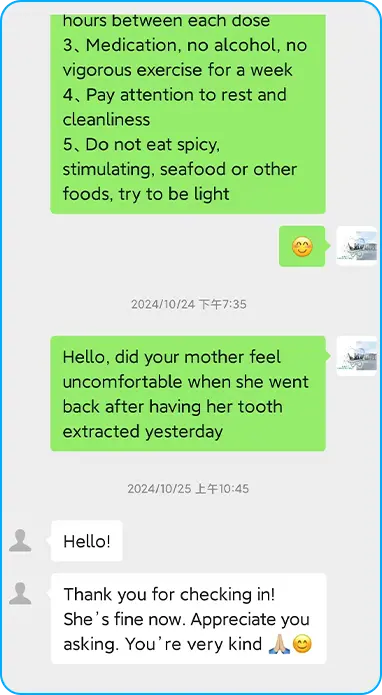
Patients should also be vigilant in observing their recovery progress. Reporting unusual symptoms, such as swelling or prolonged pain, can aid practitioners in addressing issues before they escalate. Educating patients on signs of complications fosters engagement in their treatment and reinforces the importance of aftercare.
4. Enhancing Communication with Patients
Effective communication between dentist and patient is foundational for a successful root canal experience. Dentists need to ensure that patients are well-informed about every aspect of the treatment, including risks and benefits. Clear and compassionate explanations help demystify the procedure, reducing patient anxiety.
Encouraging patients to ask questions is essential for establishing a two-way communication channel. When patients feel comfortable voicing their concerns or inquiries, they are more likely to participate actively in their treatment journey, contributing positively to their overall experience.
Moreover, utilizing various communication tools—such as brochures, videos, or digital content—can enhance understanding. Patients may be more receptive to visual aids that illustrate the procedure, making them feel more at ease about what lies ahead.
Summary: To ensure a safe and effective root canal treatment experience, both patients and practitioners must engage in comprehensive preparation, master procedural techniques, prioritize post-treatment care, and foster open communication. By adhering to these essential guidelines, anxiety can be minimized while enhancing the overall outcome of the procedure.
This article is compiled by Vickong Dental and the content is for reference only.