Summary: Tooth extraction is a common dental procedure that can appear intimidating but is essential in various contexts. This article delves into the entire process of tooth extraction, including its indications, the extraction procedure itself, and the necessary aftercare to ensure a smooth recovery. Understanding these aspects is crucial for patients to manage both their expectations and post-operative care effectively. We will explore the reasons behind tooth extractions, key procedural steps that dental professionals take, types of aftercare, and tips for recovery, all of which contribute to the overall dental health management.
1. Indications for Tooth Extraction
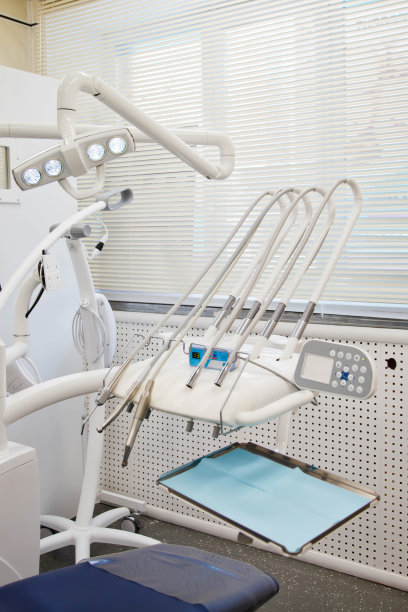
Tooth extraction becomes necessary in several situations. One primary reason is severe tooth decay that compromises the integrity of the tooth. When the damage is beyond the capabilities of restorative procedures like fillings or crowns, extraction becomes the best option to prevent infection and further complications.
Another common indication is periodontal disease, which can lead to bone loss around the teeth. In such cases, even after treatment, some teeth may not be salvageable and may require extraction to maintain oral health.
Lastly, overcrowding can necessitate the removal of one or more teeth. In orthodontics, dentists may extract teeth to create space for alignment and proper positioning of remaining teeth during braces treatment. These considerations highlight the importance of a thorough dental evaluation before deciding to proceed with extraction.
2. Steps Involved in the Extraction Procedure
The tooth extraction procedure generally begins with a comprehensive assessment. Dentists review medical history, perform necessary imaging, and evaluate the condition of the tooth and surrounding structures. This thorough understanding ensures the dentist selects the best anesthesia method, which can range from local anesthesia to sedation, depending on the complexity of the extraction.
Once the anesthesia takes effect, the dentist carefully loosens the tooth using specialized tools before extracting it from its socket. For simple extractions, the dentist may use forceps to gently pull the tooth. However, in cases where the tooth is impacted or has multiple roots, a surgical extraction may be required, involving incision in the gum and sometimes removing bone around the tooth.
Post-extraction, the dentist will place gauze to help control bleeding and provide instructions on the initial steps of aftercare, ensuring that the patient is informed about what to expect during recovery.
3. Importance of Aftercare in Recovery
Proper aftercare following a tooth extraction is vital for a smooth recovery and prevention of complications. Initially, it is critical to keep the gauze in place for a few hours to control bleeding, as this helps form a blood clot essential for healing. Patients are advised against vigorous rinsing or sucking on straws, as such actions could dislodge the clot.
In the days following the extraction, managing pain and swelling is crucial. Over-the-counter pain relievers or prescribed medications can help alleviate discomfort. Ice packs applied to the outside of the jaw can also minimize swelling during the first 24 hours.
Maintaining oral hygiene remains important even after extraction. Gentle brushing of the surrounding teeth and careful rinsing with saltwater can help keep the extraction site clean while promoting healing. Following the dentists guidelines on diet—opting for soft foods and avoiding hot or spicy items—is equally significant in the initial recovery phase.
4. Monitoring for Complications and When to Seek Help
While most recovery processes from tooth extraction are straightforward, some complications may arise. Patients are cautioned to watch for excessive swelling, severe pain that does not improve with medication, or persistent bleeding beyond the initial hours post-extraction.
Another concern during recovery is the risk of dry socket, a painful condition that occurs when the blood clot dislodges before the site has healed. It typically manifests as intense pain a few days after extraction, requiring prompt attention from a dental professional.
Overall, maintaining communication with the dentist during recovery facilitates early detection of any potential issues, ensuring that necessary interventions can be executed without delay. Patients should not hesitate to reach out to their dental care provider for guidance in the event of unusual symptoms.
Summary:
Understanding the procedure of tooth extraction and its aftercare is essential for anyone facing this common dental issue. With appropriate reasons for extraction, an outlined procedure, and an emphasis on aftercare, patients can significantly improve their recovery experiences. By being informed and proactive, one can better manage the challenges that follows.
This article is compiled by Vickong Dental and the content is for reference only.