Summary: Tooth extraction is a critical dental procedure that can greatly impact ones oral health. Understanding the importance of proper techniques and aftercare is essential to ensure a successful outcome and minimize complications. This article explores the significance of accurate extraction methods, the selection of qualified dental professionals, potential risks and complications, and the essential aftercare steps to promote healing. By upholding best practices in tooth extraction and aftercare, patients can significantly enhance their oral health and overall well-being.
1. Importance of Accurate Extraction Techniques
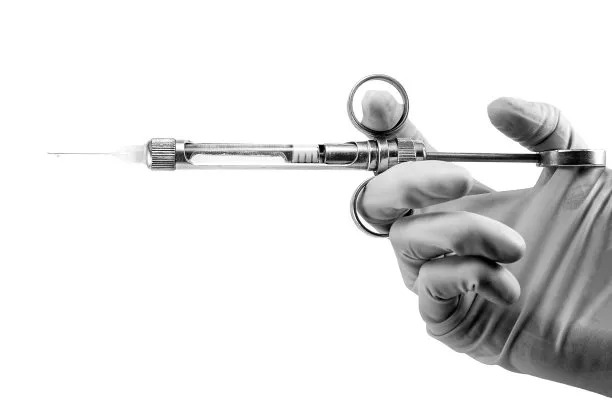
Accurate tooth extraction techniques are crucial for ensuring a successful and safe procedure. A skilled dentist utilizes various methods and instruments to minimize tissue damage, control bleeding, and reduce pain during the extraction process. This utmost precision not only makes the experience more comfortable for the patient but also significantly contributes to a quicker recovery.
Moreover, employing the right techniques reduces the likelihood of complications. Inadequate techniques can lead to retained roots or fragments of the tooth being left behind, which might result in infections or prolong the healing process. Therefore, selecting a practitioner who is experienced in performing extractions is vital.
In addition, proper techniques can also influence the future of the surrounding teeth. Extraction that is executed with precision will help maintain the integrity of adjacent teeth, gums, and jawbone, improving the overall condition of the mouth post-procedure.
2. Choosing a Qualified Dental Professional
The selection of a qualified dental professional is an important factor in the extraction process. Dentists who are experienced in oral surgery have the necessary skills to perform extractions safely and efficiently. It is beneficial to conduct thorough research by checking their qualifications, training, and experience levels before scheduling an appointment.
Furthermore, consulting with the dentist can provide insights into their approach and the technologies they use. Modern dental practices may offer advanced techniques such as digital imaging or sedation, which can improve the patient experience and reduce anxiety during the procedure.
Another aspect to consider is patient reviews and recommendations. Positive feedback from past patients often serves as a reliable indicator of a dentists competence and the quality of care provided. This due diligence can help ensure better outcomes and enhanced oral health management.
3. Understanding Risks and Complications
Despite taking all necessary precautions, its essential to recognize that every dental procedure bears certain risks and complications. Common issues following tooth extractions include excessive bleeding, infection, dry socket, and damage to surrounding teeth or nerves. Being aware of these potential complications can prepare patients for what to expect after the procedure.
Dry socket, for example, is a painful condition that occurs when the blood clot at the extraction site is dislodged or dissolves. This occurrence can lead to prolonged discomfort and may require additional treatment to manage. Understanding these risks prompts patients to be proactive in asking their dentist questions and addressing concerns prior to the procedure.
Additionally, knowing the signs of complications can lead to timely intervention. If a patient experiences unusual levels of pain, swelling, or fever, seeking prompt professional advice is crucial to mitigate further problems.
4. Essential Aftercare Techniques for Recovery
Aftercare is a vital phase following a tooth extraction that significantly influences recovery. Proper aftercare can promote healing and prevent complications. The first step includes following the dentists specific instructions regarding post-operative care, such as avoiding vigorous rinsing, sucking, or spitting to protect the blood clot.
Maintaining oral hygiene is also essential; however, patients should avoid brushing the extraction site for a few days to prevent disturbing the healing tissue. Gentle, regular rinses with warm saltwater can aid in cleaning the area without applying excessive pressure.
Moreover, its important for patients to manage pain and swelling effectively. Utilizing prescribed or over-the-counter pain relief medications, along with ice packs, can help reduce discomfort and inflammation. Staying hydrated and eating a soft diet during recovery contributes to overall well-being as well.
Summary:
In conclusion, the process of tooth extraction is multifaceted and requires thoughtful consideration of accurate techniques, qualified professionals, understanding risks, and diligent aftercare practices. With proper attention to these areas, patients can significantly enhance their oral health outcomes and minimize complications.
This article is compiled by Vickong Dental and the content is for reference only