Summary: Extracting a tooth can be a necessary procedure for achieving optimal dental health, but it comes with a series of challenges that must be carefully navigated. This article explores the key obstacles involved in tooth extraction—from assessing the need for extraction to managing post-operative recovery. By discussing the potential complications, preparation techniques, and post-extraction care strategies, we offer insights and effective solutions to ensure a smooth extraction process and a speedy recovery. Understanding these factors can significantly enhance dental health outcomes and patient experiences.
1. Assessing the Need for Tooth Extraction
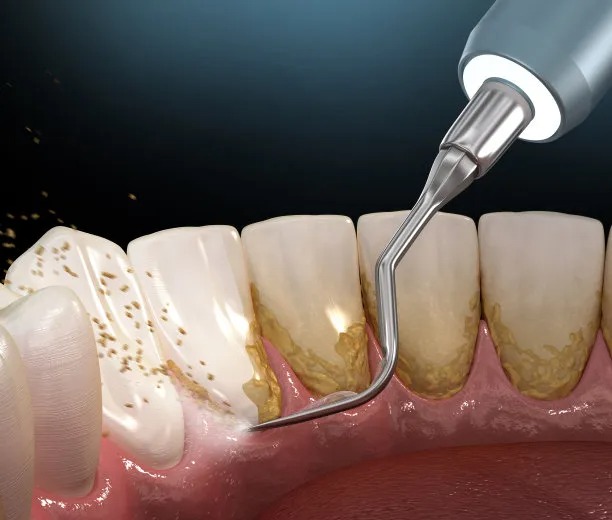
The first step in navigating the challenges of tooth extraction is assessing whether it is necessary. Dentists consider various factors, including the severity of tooth decay, periodontal disease, and the presence of wisdom teeth that could cause overcrowding. A comprehensive examination, often involving X-rays, helps in evaluating the tooths condition and its impact on the overall dental structure.
Patients need to communicate their symptoms clearly, such as pain or discomfort, which can aid in diagnosing the underlying issues. Understanding the implications of not extracting a problematic tooth is crucial. Left untreated, a decayed or infected tooth can lead to further complications, including abscesses or damage to adjacent teeth.
Once the need for extraction is established, clear explanations provided by the dentist can help in easing patient anxiety. Detailed discussions about the procedure, as well as potential outcomes, enable patients to make informed decisions about their dental health.
2. Preparing for the Extraction Procedure
Preparation for the extraction procedure is a critical factor that influences the success of the operation. Proper preparation includes discussions about medical history, allergies, and any medications currently being taken. This information directly affects anesthesia choices and the overall safety of the procedure.
Additionally, dental professionals might advise patients on dietary restrictions before the operation, particularly if sedation is involved. Ensuring that patients have appropriate support post-extraction—whether through friends or family—also plays a significant role in recovery.
Maintaining open communication between the dentist and patient is vital during this preparation phase. Understanding what to expect pre-, during, and post-extraction offers reassurance and contributes to a more positive experience. A structured approach results in better outcomes and elevated patient satisfaction.
3. Complications During and After Extraction
Even with adequate preparation, complications can arise during and after a tooth extraction. Sometimes excessive bleeding or infection may occur, particularly if the patient has underlying health issues or is taking certain medications that affect clotting. Awareness of these potential risks is essential, as some complications may require immediate intervention.
Post-operative pain is another challenge that most patients experience after tooth extraction. Managing this pain is crucial to speeding up recovery, and dentists often prescribe pain relief medications and recommend icing the area to minimize swelling. Instructions regarding dietary adjustments, such as soft food consumption, can further facilitate healing.
Lastly, keeping a close eye on signs of infection, such as unusual swelling or drainage, empowers patients to seek timely medical attention. Educating patients about these complications helps in promoting proactive care and mitigating concerns that may arise after the procedure.
4. Strategies for Optimal Recovery
The journey towards optimal recovery after tooth extraction involves several post-operative care strategies. Following the dentists advice on pain management, dietary restrictions, and oral hygiene is necessary for effective healing. Gentle rinsing with warm salt water can promote healing while preventing infection.
Another essential strategy is avoiding smoking and alcohol consumption in the initial days post-extraction. Both can hinder the healing process and increase the risk of complications such as dry socket. Similarly, remaining physically inactive and resting adequately can enhance recovery results.
Lastly, regular follow-up appointments are crucial to monitor the healing process and address any concerns. Establishing a clear line of communication between the patient and dentist ensures that any issues can be promptly managed, paving the way for a successful recovery.
Summary:
In conclusion, understanding the complexities surrounding tooth extraction is imperative for both patients and dental professionals. From assessing the necessity of extraction to employing effective recovery strategies, each phase plays a vital role in ensuring optimal dental health. Addressing challenges with informed choices enhances the overall experience and leads to better health outcomes.
This article is compiled by Vickong Dental and the content is for reference only.