Summary: Root canal treatment is often viewed with apprehension, yet with the appropriate precautions and care tips, it can lead to a smoother experience and successful outcome. This article delves into four essential aspects: preparing for the procedure, post-treatment care, understanding potential complications, and the importance of selecting the right dental professional. Each area offers practical advice and insights that will help demystify the process, ensuring that patients are well-equipped to navigate their root canal treatment with confidence and ease.
1. Preparing for Your Root Canal Treatment
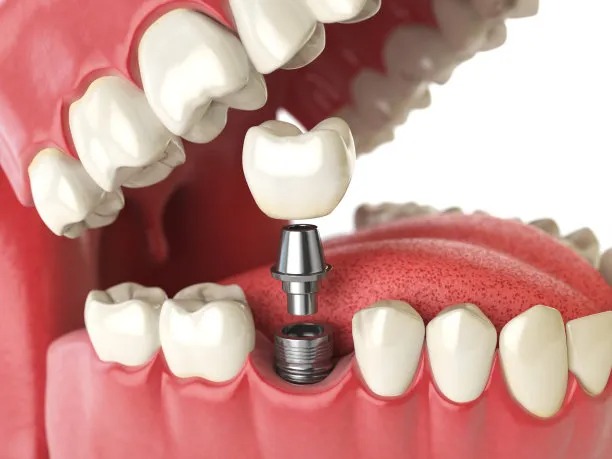
Preparation is the cornerstone of a seamless root canal experience. Before your appointment, it’s crucial to have a thorough consultation with your dentist. This will allow you to understand the procedure, ask any questions, and express any concerns you may have. Knowledge about what to expect can significantly reduce anxiety, making the process much more manageable.
Another essential tip is to arrange for someone to accompany you. After the treatment, you may feel a bit groggy from sedation or anesthesia. Having a friend or family member with you can provide emotional support and ensure that you get home safely.
Lastly, consider your medication needs before the appointment. If you’re currently taking any medications, including over-the-counter drugs, inform your dentist. This allows them to provide advice on how to manage these medications around the time of your procedure, which can significantly impact your comfort and recovery.
2. Post-Treatment Care and Management
The first few days following a root canal are critical for recovery. It is advisable to follow your dentists post-treatment instructions meticulously. This often includes taking prescribed pain medications and avoiding certain foods that may irritate the treated area.
Maintaining a soft food diet can be beneficial during the initial recovery phase. Foods that are easy to chew and swallow will not only help avoid discomfort but also assist in the healing process. Gradually reintroducing tougher foods can be done as your symptoms improve.
Monitoring any unusual symptoms is also essential. If you experience prolonged pain or swelling, or if any unusual changes occur, don’t hesitate to reach out to your dentist. Early intervention can prevent potential complications and ensure a smoother recovery.
3. Understanding Potential Complications
While root canals are generally straightforward procedures, understanding potential complications can prepare you better for your treatment. One common issue is reinfection of the tooth. This can occur if bacteria remain after the procedure or if the tooth is not sealed correctly. Awareness of this possibility allows patients to remain vigilant regarding their oral hygiene in the weeks following treatment.
Another concern is the potential for a cracked root or tooth. If the underlying structure of the tooth is weak or compromised, it may fail post-treatment. Discussing any history of dental fractures with your dentist beforehand can help gauge the risk level.
Lastly, it’s vital to acknowledge the importance of follow-ups. Regular dental check-ups after a root canal can help monitor the condition of the tooth and catch early signs of complications. This proactive approach ensures ongoing dental health and reduces the risk of severe issues arising later.
4. Selecting the Right Dental Professional
The success of your root canal treatment significantly depends on the dentist you choose. Researching potential dental professionals is crucial. Look for dentists who specialize in endodontics, which is the field focused on root canal treatment.
Reading reviews and testimonials can provide insight into the experiences of other patients. A dentist with a strong reputation and positive feedback is likely to offer a more comfortable and effective treatment experience.
During your initial consultation, pay attention to the dentist’s communication style. A good dentist should be patient, willing to answer your questions, and eager to alleviate your concerns. Building a rapport with your dental professional can enhance your overall treatment experience.
Summary:
In conclusion, navigating a root canal treatment can be a distressing experience, but being well-prepared can turn it into a manageable procedure. From preparing adequately and understanding post-treatment care to being aware of potential complications and choosing the right dentist, each aspect plays a crucial role in ensuring success.
By taking these essential precautions and following caring tips, you can minimize discomfort and promote effective recovery. Invest in your dental health, and you’ll reap the benefits for years to come.
This article is compiled by Vickong Dental and the content is for reference only