Summary: Root canal treatment is a common dental procedure aimed at saving infected teeth and alleviating pain. However, to ensure its success and minimize potential complications, certain safety measures are essential. This article explores the importance of thorough diagnosis, sterile techniques, patient communication, and post-treatment care. Each of these facets plays a crucial role in safeguarding against complications and optimizing the outcomes of root canal therapy. By adhering to these measures, dental professionals can enhance patient safety and satisfaction, ensuring that the procedure is as effective and stress-free as possible.
1. Importance of Accurate Diagnosis

Accurate diagnosis is the foundation of successful root canal treatment. Before commencing any procedure, dental professionals must conduct a comprehensive evaluation that includes clinical examinations and advanced imaging techniques such as X-rays. This step helps in identifying the extent of the infection and assessing the specific anatomy of the tooth.
Moreover, a precise diagnosis allows for the development of a tailored treatment plan. Understanding the unique characteristics of each case enables dentists to anticipate potential challenges and prepare accordingly. This careful planning substantially reduces unnecessary complications during the procedure.
Finally, diagnosis should also encompass an assessment of the patients overall health and medical history. Certain health conditions may complicate the treatment process, and recognizing these factors is crucial for choosing the safest approach to therapy.
2. Maintaining Sterile Techniques
One of the most crucial safety measures in root canal treatment is maintaining strict sterile techniques throughout the procedure. This helps minimize the risk of infection, a potential complication that can arise if bacteria are introduced into the tooth or surrounding tissues.
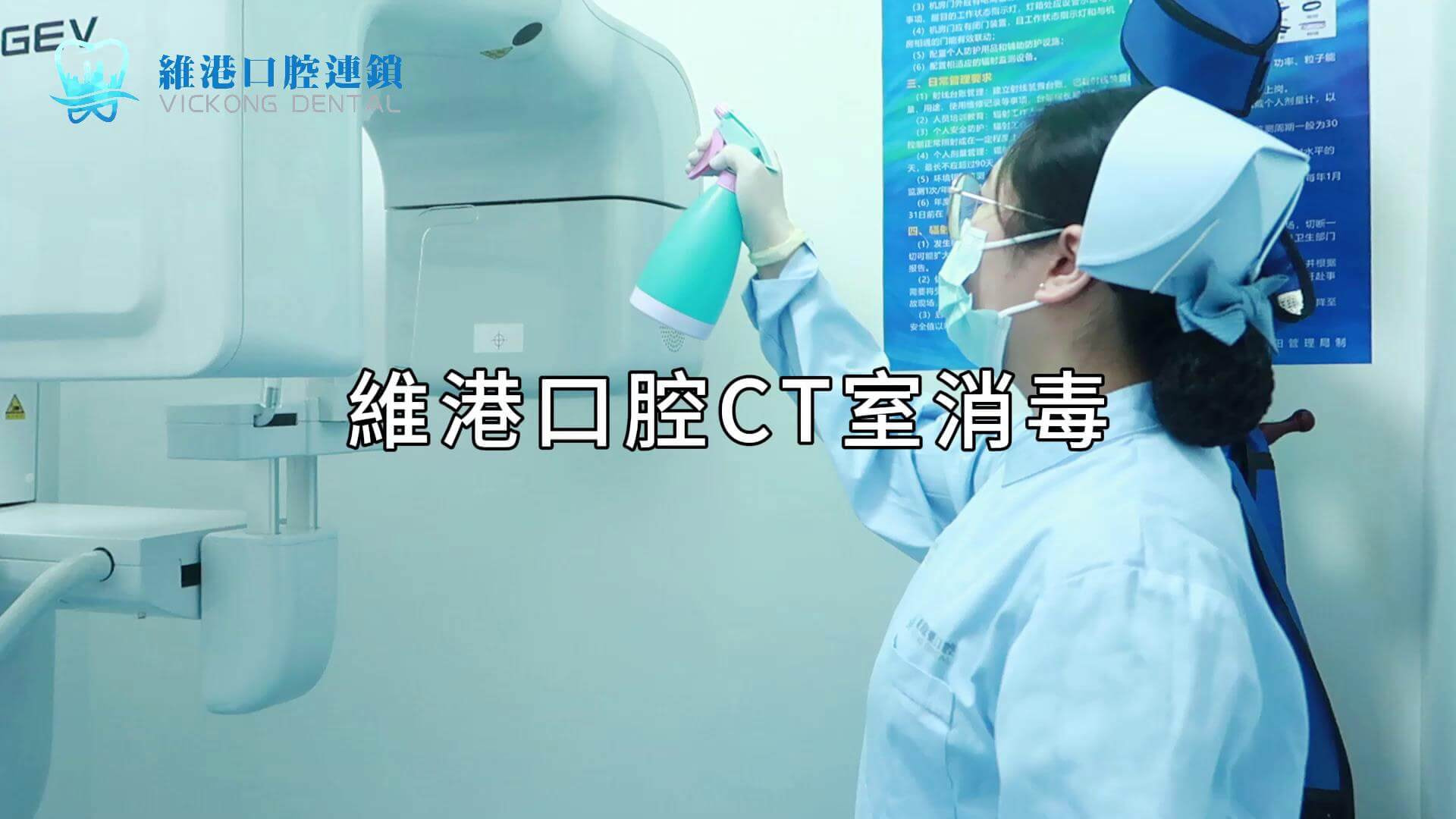
Dental professionals should utilize proper sterilization of instruments and follow infection control protocols meticulously. This includes wearing gloves, masks, and appropriate protective gear to safeguard both the patient and the dental team. Implementing these practices ensures a clean environment for the procedure and promotes better healing post-treatment.
Additionally, utilizing barrier techniques, such as rubber dams, can further enhance sterility by isolating the tooth being treated. This prevents saliva contamination, thus reducing the risk of introducing bacteria during the procedure.
3. Effective Communication with Patients
Effective communication between the dentist and the patient is essential to ensure a successful root canal treatment. Dentists should explain the procedure in detail, including what the patient can expect before, during, and after treatment. This transparency helps alleviate anxiety and builds trust.
Moreover, dentists should encourage patients to voice any concerns or questions they may have. Understanding the patients perspective can provide valuable insights into their expectations and fears, allowing the dentist to address them adequately. This collaborative approach fosters a sense of partnership in the treatment process.
Lastly, after the treatment, it is critical to provide clear post-operative care instructions to the patient. Ensuring that the patient understands how to care for their tooth after treatment can significantly reduce complications and promote quicker healing.
4. Comprehensive Post-Treatment Care
Post-treatment care is integral to the success of root canal therapy. After the procedure, dentists should schedule follow-up appointments to monitor the healing process and address any potential complications promptly. This proactive approach reassures patients that their recovery is being closely monitored.
In addition, patients should receive detailed instructions regarding pain management and oral hygiene practices after treatment. Proper care at home, including the use of prescribed medications and avoiding certain foods, is crucial for minimizing discomfort and preventing infection.
Furthermore, educating patients about the signs of complications, such as increased pain or swelling, can empower them to seek help if needed. Early detection and intervention can greatly enhance treatment outcomes and alleviate patient concerns.
Summary:
In summary, key safety measures are essential for ensuring successful root canal treatment and minimizing potential complications. Accurate diagnosis, sterile techniques, effective communication, and comprehensive post-treatment care together form a robust framework for enhancing patient safety and satisfaction during the procedure. By prioritizing these aspects, dental professionals can provide high-quality care that leads to better outcomes.
This article is compiled by Vickong Dental and the content is for reference only