Summary: Root canal treatment is often essential for saving teeth and alleviating pain caused by infection or decay. This article provides essential guidelines and precautions that dental professionals should adhere to for successful root canal procedures. We explore factors such as patient assessment, proper tool usage, infection control, and post-treatment care. Emphasizing these aspects not only enhances treatment outcomes but also contributes to patient satisfaction and overall oral health. Each section outlines critical strategies that practitioners can implement to optimize their approach to root canal treatments, ensuring robust protocols are in place for successful results.
1. Comprehensive Patient Assessment Process

Before initiating any root canal procedure, conducting a thorough patient assessment is crucial. This process includes understanding the patients medical history, allergies, and previous dental treatments. Special attention should be given to any underlying health issues, such as diabetes or heart conditions, which can complicate the procedure and healing process.
Moreover, performing diagnostic imaging, such as X-rays, can aid significantly in locating the extent of infection and identifying anatomical complexities in the tooths root canals. Given that anatomy can vary widely, this step is vital for developing a tailored treatment plan.
Communication with the patient is equally important during the assessment phase. Clearly explaining the procedure, addressing concerns, and discussing potential outcomes can build trust and calm patient anxiety, leading to a smoother treatment experience.
2. Utilization of Proper Instruments and Techniques
The success of root canal treatment heavily relies on the proper selection and usage of dental instruments. For instance, endodontic files should be chosen based on the specific canal system and be of appropriate sizes to ensure optimal cleaning and shaping. Regular maintenance and calibration of these tools are also essential for precision.
Furthermore, adopting advanced techniques, such as rotary instrumentation, can enhance efficiency and effectiveness. Rotary files allow for smoother and faster canal preparation, reducing the risk of procedural errors that could compromise the treatments success.
Lastly, adhering to a step-by-step protocol for disinfection and canal obturation is critical. This not only secures the cleaned and shaped canals but also prevents reinfection. Each stage must be executed with care to ensure comprehensive cleaning and sealing of the canal system.
3. Infection Control and Aseptic Techniques
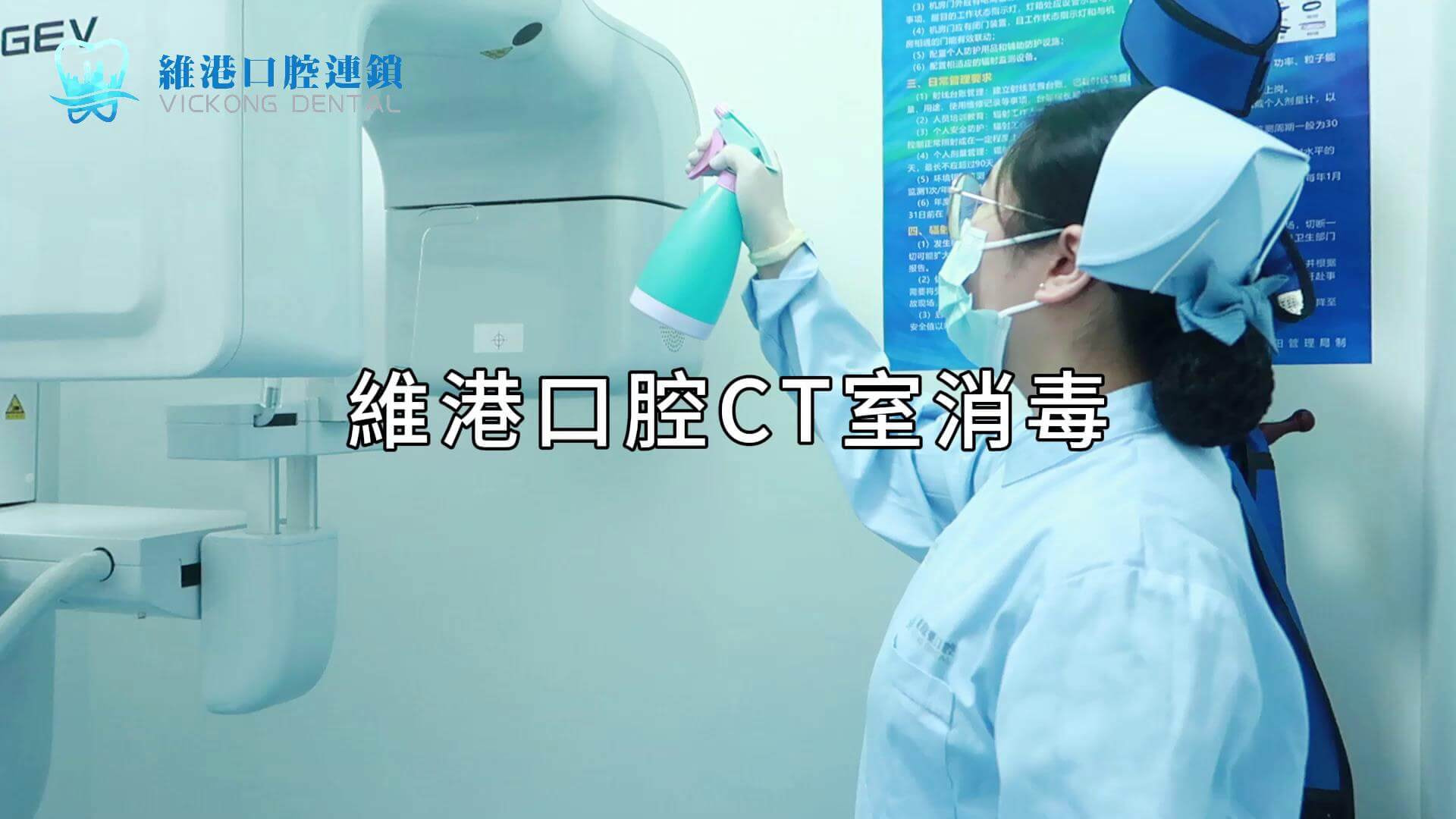
Infection control is paramount in root canal therapy to prevent complications and ensure patient safety. The dental office must be prepared with an aseptic environment, employing strict sterilization protocols for all instruments used during the procedure. This includes using autoclaves and disinfectants to eliminate pathogens.
Additionally, the use of rubber dams can provide an effective barrier, isolating the treatment area from saliva and bacteria, thereby maintaining a clean working field. Effective suction systems should also be employed to minimize contamination during the procedure.
Finally, practitioners should be aware of signs of infection during treatment. Early detection and management of complications such as perforations or inadequate cleaning can be critical for successful outcomes. Constant monitoring and maintaining an infection-free environment are essential for ensuring comprehensive care.
4. Post-Treatment Care and Follow-Up
Post-treatment care plays a significant role in the overall success of root canal therapy. After the procedure, patients should receive clear aftercare instructions regarding pain management, dietary restrictions, and oral hygiene practices. This helps mitigate complications and enhances recovery.
Follow-up appointments are equally important for monitoring healing and addressing any emerging issues. Regular check-ups allow for the assessment of symptom resolution and the effectiveness of the treatment process, ensuring that any concerns are swiftly addressed.
Education about the signs of potential complications, such as persistent pain or swelling, is also vital for patient empowerment. Informing patients on what to watch for ensures they are engaged in their recovery process and can seek timely intervention if needed.
Summary:
In conclusion, ensuring success in root canal treatment requires comprehensive preparation, proper technique, strict infection control, and attentive post-treatment care. Each facet is interlinked, contributing to effective therapeutic outcomes and overall patient satisfaction.
This article is compiled by Vickong Dental and the content is for reference only.