Summary: Root canal treatment is a crucial procedure aimed at saving infected or damaged teeth. However, ensuring its success and safety is paramount for optimal dental health. This article delves into essential precautions that patients and dental professionals should take before, during, and after the treatment. By exploring aspects such as selecting a qualified dentist, understanding the procedure, preparing for potential side effects, and following aftercare guidelines, individuals can enhance the likelihood of a successful outcome. Emphasizing these precautions reinforces the importance of informed and proactive dental health practices.
1. Choosing a Qualified Dental Professional
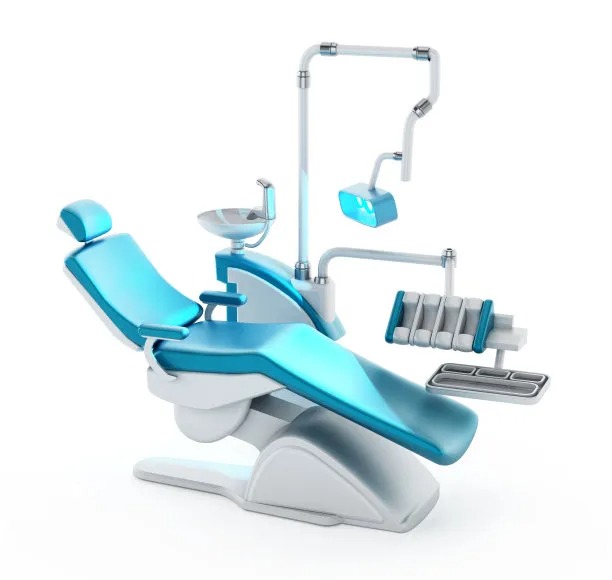
Your choice of dentist is pivotal to the success of a root canal treatment. Not all dental practitioners possess the same level of expertise, and this could significantly impact the outcome of the procedure. It is vital to seek a dentist with specialized training in endodontics, as they are specifically educated in root canal therapies.
Researching credentials and patient reviews is another crucial step in choosing the right dental professional. Websites, local forums, and word-of-mouth recommendations can provide insights into a dentist’s competency and patient satisfaction. A well-reviewed dentist often indicates successful treatments and satisfied clients.
Consider scheduling a consultation to discuss your case with the dentist. This meeting allows for an assessment of their approach, communication style, and ability to address your concerns. Feeling comfortable with your dentist is essential to alleviate anxiety and ensure a smooth treatment process.
2. Understanding the Root Canal Procedure
Knowledge about the root canal procedure can help alleviate fears and set realistic expectations. Before the treatment, a comprehensive examination and X-rays are typically conducted to understand the extent of the damage. Familiarizing yourself with these preliminary steps can enhance your comfort level.
The procedure itself generally involves numbing the area, removing infected tissue, cleaning the inside of the tooth, and sealing it to prevent further issues. Each of these stages is vital for ensuring that the infection does not recur. Understanding each step and its importance can help patients appreciate the necessity of the treatment.
During the treatment, communication with the dentist is crucial. Patients should feel encouraged to ask questions about the process, any discomforts they may experience, and the overall timeline for recovery. Maintaining open dialogue helps to mitigate anxiety and promotes cooperative care.
3. Preparing for Potential Side Effects
Even with a qualified dentist and a well-understood procedure, some side effects can occur following a root canal treatment. Common symptoms include mild discomfort and swelling, which are usually manageable with over-the-counter pain relief or prescribed medications. Knowing what to expect can prepare patients for the post-treatment phase.
Patients should be aware of their body’s signals. If pain persists or worsens, this may indicate complications such as infection or improper sealing. Understanding these signs can prompt timely follow-ups with the dentist, thus preventing further issues.
Discussing potential side effects and their management prior to the treatment can empower patients and enhance their resilience throughout the recovery process. Familiarity with aftercare instructions, including dietary restrictions, can also promote a smoother healing journey.
4. Following Aftercare Guidelines
After a root canal treatment, adhering to aftercare instructions provided by the dentist is crucial for optimal healing. Patients should avoid chewing with the treated tooth until they receive clearance from their dentist, as this can help prevent dislodging the filling or causing unnecessary pain.
Maintaining good oral hygiene is essential. Patients should brush and floss gently around the treated tooth to keep it clean while being cautious not to apply excessive pressure. This can help avert potential infections and promote recovery.
Scheduled follow-up appointments are also an important part of the aftercare process. Dentists usually want to monitor the progress of the healed tooth. Regular check-ups can identify any issues early on, ensuring that the root canal treatment remains a success for the long term.
Summary:
In conclusion, planning for a successful root canal treatment includes various essential precautions, starting from selecting a qualified dentist to understanding the whole procedure. By equipping themselves with knowledge and following aftercare guidelines, patients can help ensure optimal dental health and a successful recovery.
This article is compiled by Vickong Dental and the content is for reference only.