Summary: Root canal treatment is a crucial dental procedure that alleviates pain and saves infected teeth. However, ensuring patient safety during this treatment is paramount to avoid complications. This article presents essential guidelines for practitioners to follow, focusing on patient preparation, proper use of instruments, monitoring during the procedure, and post-treatment care. By adhering to these guidelines, dental professionals can significantly enhance patient safety, minimize risks, and improve treatment outcomes. The insights provided will empower both dentists and patients, cultivating a safer and more effective treatment experience.
1. Patient Preparation is Crucial

Proper patient preparation is the cornerstone of successful root canal treatment. Before the procedure, clinicians should conduct a comprehensive patient assessment, including medical history and current medications. This step is essential for identifying any potential contraindications or risk factors that could affect treatment.
Moreover, patients should be informed about the root canal process, expectations, and aftercare. This communication helps alleviate anxiety, ensuring that patients are mentally prepared for the procedure. Providing detailed information fosters trust and cooperation between the patient and the dental team.
Additionally, pre-treatment imaging, such as X-rays, should be utilized to assess the extent of infection or damage. Accurate diagnostics guide the treatment plan and enhance precautionary measures, minimizing the likelihood of complications during the procedure.
2. Proper Use of Instruments
The precise use of dental instruments plays a vital role in ensuring patient safety during root canal treatment. Dentists should utilize high-quality, well-maintained instruments to reduce the risk of infection and procedural errors. Regular calibration and maintenance of equipment are essential to ensure optimal functionality.
Furthermore, utilizing modern techniques such as rotary endodontics can enhance procedural efficiency and accuracy. These advancements reduce the risk of instrument breakage or procedural mishaps, thereby safeguarding the patient’s health.
Moreover, the use of adequate endodontic techniques, including apical barrier placement and proper irrigation protocols, further promotes patient safety. Practitioners must be trained thoroughly in these techniques, enabling them to navigate complex cases successfully and prevent any complications that may arise during treatment.
3. Monitoring During the Procedure
Continuous monitoring of the patient during the root canal procedure is crucial for ensuring safety and comfort. Healthcare professionals should regularly assess the patients vital signs, such as heart rate and blood pressure, particularly for patients with preexisting health conditions.
Additionally, the practitioner should remain attentive to any signs of discomfort or unexpected reactions during the treatment. Adequate anesthesia management contributes significantly to minimizing pain and anxiety, allowing for a more straightforward procedure. Ensuring that patients are adequately numb before commencing the treatment significantly impacts their experience.
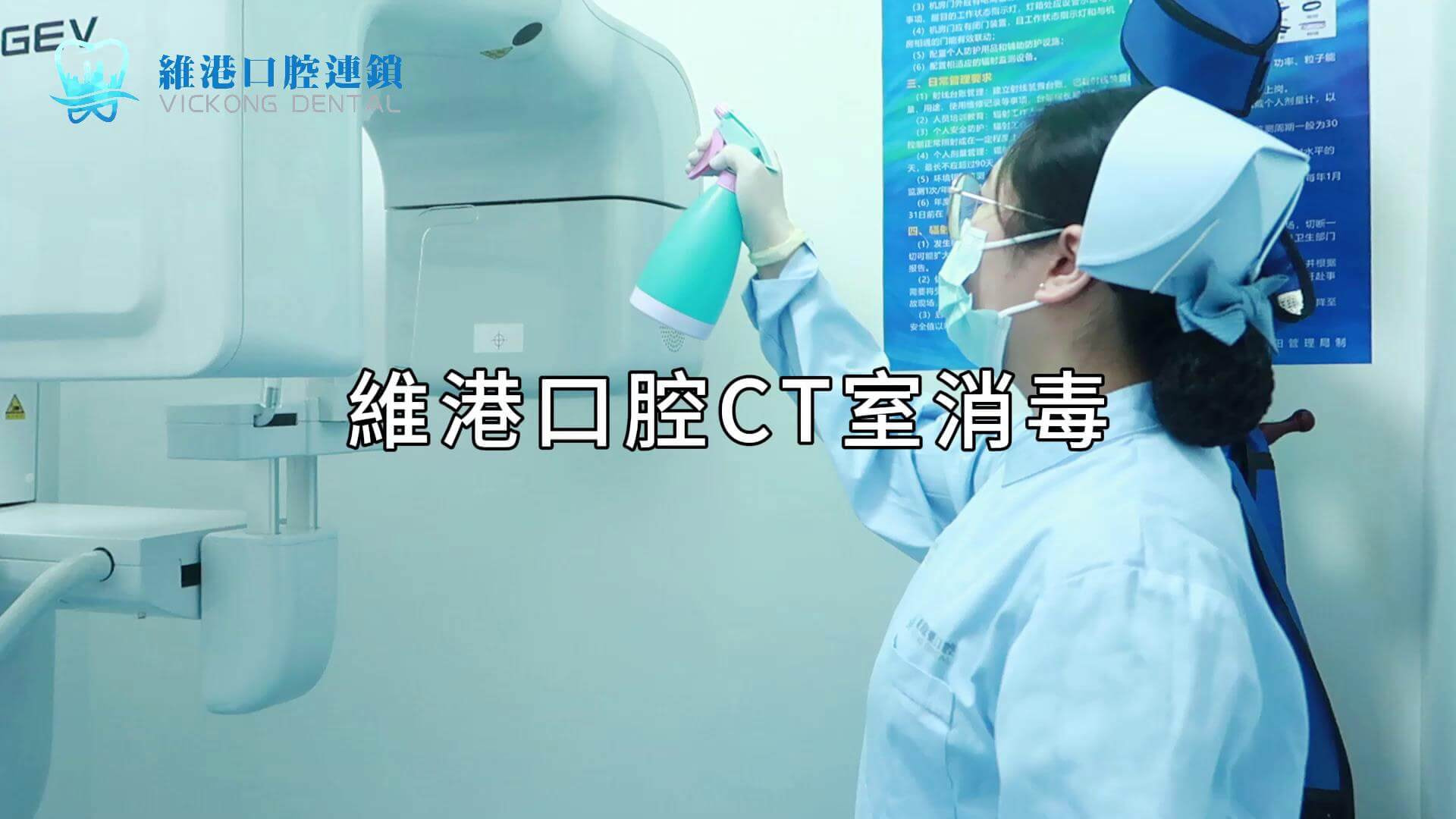
Moreover, meticulous adherence to sterile techniques during the procedure helps prevent infections. Implementing stringent hygiene protocols, such as the use of gloves and masks, establishes a safe environment for the patient. This practice further reduces the risk of contagions that could complicate the recovery process.
4. Comprehensive Post-Treatment Care
Post-treatment care is an integral aspect of ensuring patient safety following a root canal procedure. Dentists should provide clear instructions regarding post-operative care, emphasizing the importance of taking prescribed medications, including antibiotics and pain relievers.
Additionally, follow-up appointments should be scheduled to monitor the healing process and address any arising concerns. These check-ins help in promptly identifying any complications, such as persistent pain or infection, allowing for timely intervention.
Moreover, educating patients about signs of potential complications, such as increased swelling or prolonged discomfort, enables them to take proactive measures and seek help if needed. This proactive approach enhances overall treatment effectiveness and promotes a smooth recovery.
Summary:
In conclusion, ensuring patient safety during root canal treatments is a multifaceted process that involves thorough preparation, appropriate instrument use, continuous monitoring, and comprehensive post-treatment care. By following these essential guidelines, dental professionals can mitigate risks and enhance treatment outcomes for their patients.
This article is compiled by Vickong Dental and the content is for reference only.