Summary: Root canal treatment (RCT) is a crucial dental procedure aimed at preserving teeth that are infected or decaying. Ensuring safety and effectiveness during this procedure can significantly enhance patient outcomes. This article presents essential guidelines divided into four key aspects: patient assessment and preparation, choosing the right tools and techniques, pain management strategies, and post-treatment care. Each aspect is explored to deliver a comprehensive understanding, equipping dental professionals with invaluable knowledge and ensuring patients receive optimal care during their treatment.
1. Patient Assessment and Preparation

Before initiating root canal treatment, a thorough patient assessment is paramount. This includes a detailed medical history evaluation and understanding the patients dental concerns. It is vital to identify any underlying health issues that could complicate the procedure, such as allergies or systemic diseases.
Moreover, a radiographic examination, like X-rays, is essential to assess the extent of infection and the anatomy of the root canals. This imaging helps in planning the treatment strategy, which is crucial for ensuring safety during the procedure.
Finally, effective communication with the patient about the treatment process and what to expect can alleviate anxiety. Educating patients about the importance and benefits of RCT fosters a cooperative environment that enhances treatment outcomes.
2. Choosing the Right Tools and Techniques
The use of modern, high-quality endodontic tools significantly improves the safety and effectiveness of root canal treatments. Instruments such as rotary files and advanced digital imaging systems aid in precise cleaning and shaping of the root canals, reducing the risk of complications.
Additionally, following evidence-based techniques is crucial. Techniques such as the "Crown Down" method may be preferred because they reduce the risk of canal transportation and maintain the integrity of the tooth structure. Selecting the appropriate irrigation solutions is also key for disinfection and debris removal, ensuring a clean working environment.
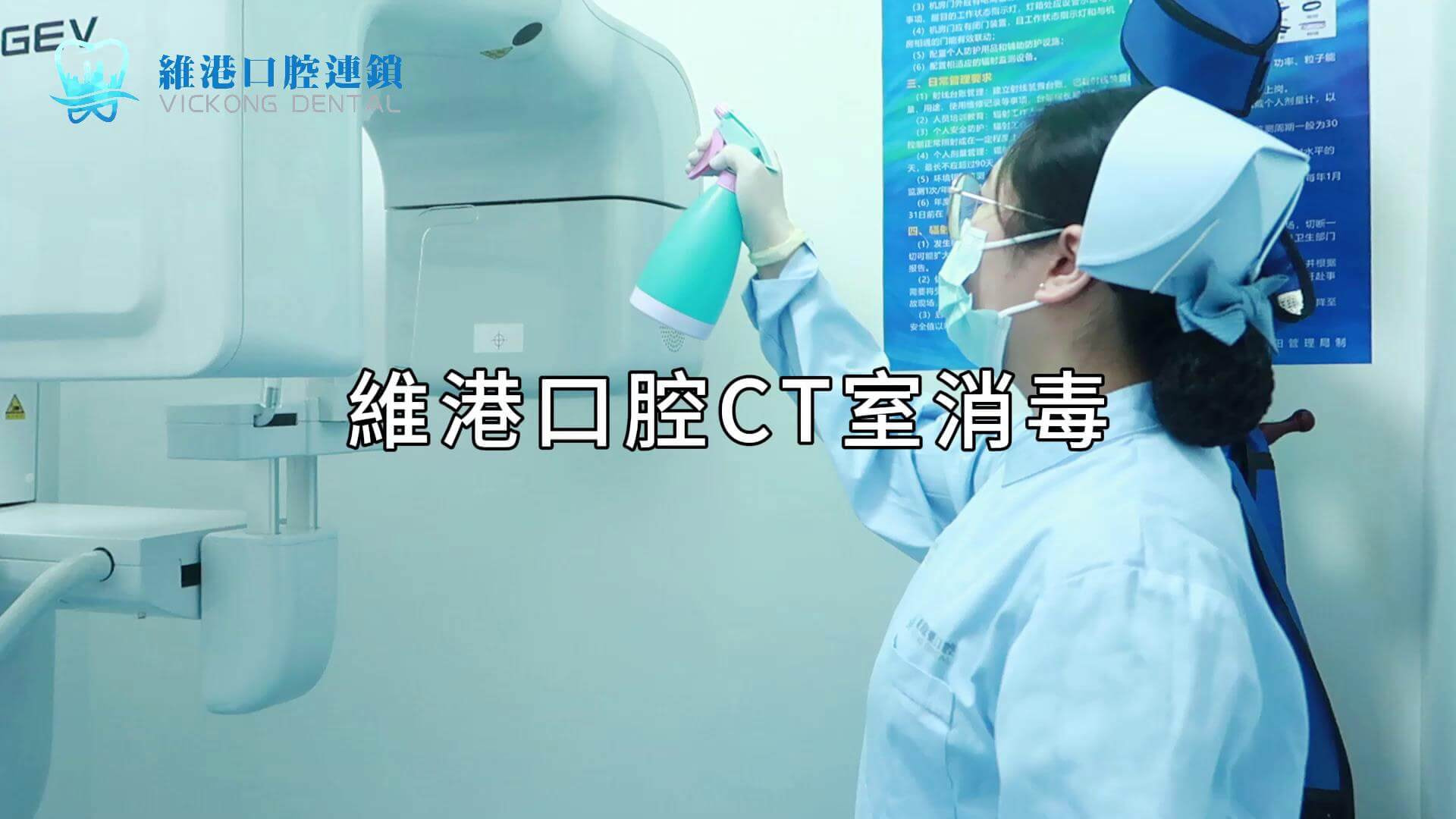
Finally, dentists should adhere strictly to guidelines set forth by dental associations regarding infection control. Sterilization of all instruments and using barrier techniques minimizes the risk of cross-contamination, vital for patient safety.
3. Pain Management Strategies
Pain management is a critical aspect of ensuring a positive experience during root canal treatment. Effective local anesthesia should be administered to control pain before the procedure begins. A variety of anesthetic agents are available, and dentists should choose the one that suits individual patient needs.
Moreover, sedation techniques, including nitrous oxide or oral sedatives, can be used to calm anxious patients. This is particularly important for those with dental phobia, as a comfortable experience promotes a successful outcome.
Post-operative pain management should also be a priority. Dentists should provide clear instructions regarding the use of over-the-counter medications, such as ibuprofen or acetaminophen, to manage any discomfort post-treatment. Ensuring that the patient understands their pain management options contributes to a more satisfactory recovery process.
4. Post-Treatment Care Guidelines
After root canal treatment, proper aftercare is essential for promoting healing and preventing complications. Patients should be given detailed instructions on oral hygiene practices to maintain cleanliness and prevent reinfection. Emphasizing the importance of gentle brushing and avoiding high-traction foods during recovery is beneficial.
Regular follow-up appointments should be scheduled to monitor the healing process. This allows the dentist to address any concerns or complications that might arise and reassure the patient of their progress.
Furthermore, educating patients on recognizing signs of potential complications—such as persistent pain, swelling, or fever—enables them to seek timely care if needed. An informed patient is more likely to adhere to aftercare instructions, ultimately leading to better long-term dental outcomes.
Summary:
In conclusion, successful root canal treatment relies on a combination of thorough patient assessment, advanced tools and techniques, effective pain management strategies, and comprehensive post-treatment care. By adhering to these essential guidelines, dental professionals can ensure the safety and effectiveness of RCT, leading to optimal outcomes for patients. The importance of each step cannot be overstated, as it contributes to the preservation of dental health and the alleviation of patient concerns.
This article is compiled by Vickong Dental and the content is for reference only.