Summary: Successfully conducting a root canal treatment involves adhering to essential precautions that ensure both the effectiveness of the procedure and the safety of patients. This article will cover four key aspects: thorough diagnosis and treatment planning, proper sterile technique, effective anesthesia management, and comprehensive post-treatment care. Each of these components plays a crucial role in minimizing complications during and after the procedure, ultimately leading to improved patient outcomes and satisfaction.
1. Thorough Diagnosis and Treatment Planning
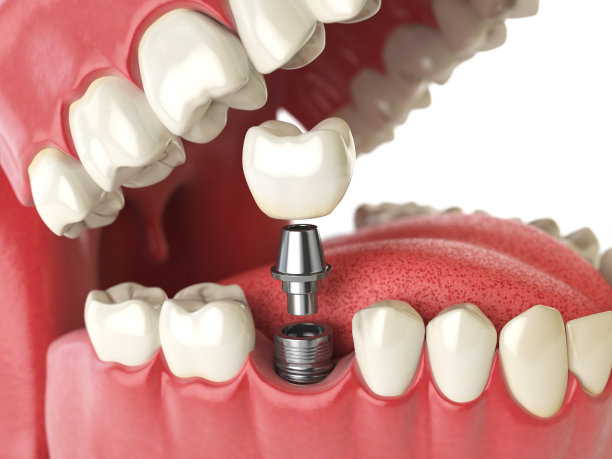
Before commencing a root canal treatment, accurate diagnosis is of paramount importance. A thorough examination involving radiographic assessment allows the dentist to identify the extent of the infection and the number of canal systems involved. Understanding the unique anatomy of the tooth will facilitate the decision-making process throughout the treatment.
Comprehensive treatment planning also necessitates discussion with the patient concerning their medical history, any allergies, or past dental experiences. This information can identify potential risks and tailor the procedure to accommodate each patient’s needs. Patient education about the process and expected outcomes fosters trust and cooperation, providing a conducive atmosphere for treatment.
Ultimately, proper diagnosis and planning minimize the risks associated with a root canal procedure. This foresight can help in anticipating challenges that may arise and equips the dental professional with strategies to overcome them efficiently.
2. Implementing Proper Sterile Techniques
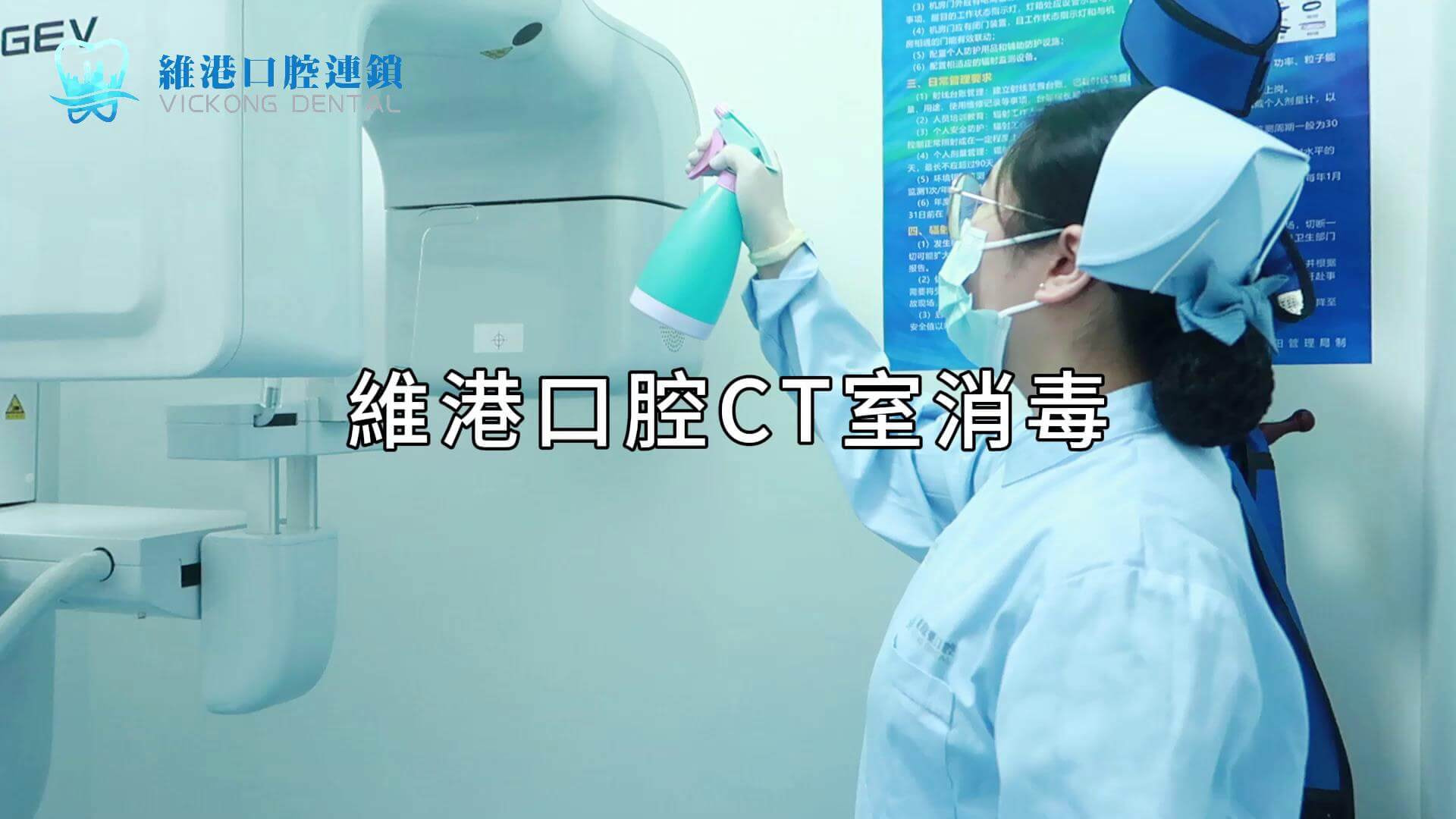
Infection control is a cornerstone of any successful dental procedure, especially root canal treatments. Implementing stringent sterile techniques reduces the risk of introducing bacteria into the treatment site. This includes using disposable instruments, sterilizing reusable tools, and ensuring that the working area is clean and isolated from contaminants.
Moreover, the dental team must be trained to adhere to these sterile protocols. This not only includes the dentist but also dental assistants who prepare the instruments and assist throughout the procedure. Regular training and reinforcement of sterile practices can prevent surgical site infections markedly.
By ensuring an aseptic environment, practitioners safeguard their patients against post-procedural complications that may arise from non-sterile conditions. Consistency and diligence in maintaining these standards are essential for a successful outcome.
3. Effective Anesthesia Management
Effective pain management during a root canal procedure is essential for patient comfort and cooperation. A proper anesthesia plan should be tailored to the individual needs of each patient. The dentist must assess the patient’s anxiety levels and pain tolerance before deciding on the appropriate anesthesia technique.
Utilizing local anesthesia is a common approach, and it is vital to ensure that it is administered correctly to achieve the desired numbness in the affected area. The timing of sedation should also be well-planned, providing adequate time for the anesthetic to take effect before starting the procedure.
Furthermore, continuous monitoring of the patients comfort level throughout the treatment allows dental professionals to make necessary adjustments in real-time. This proactive approach can significantly lessen any potential complications and enhance the overall patient experience.
4. Comprehensive Post-Treatment Care
After a root canal procedure, comprehensive post-treatment care is imperative for recovery and the prevention of complications. Patients should receive clear instructions on how to care for the treated area, including tips for managing any discomfort or swelling that may occur. Educating patients about signs of infection or complications, such as prolonged pain or drainage, helps them understand when to seek further assistance.
Follow-up appointments are equally important, allowing the dentist to assess healing and address any issues that may arise post-procedure. Regular check-ups enable the dental team to monitor the success of the treatment and ensure that the tooth continues to function properly.
Long-term success of root canal treatment heavily relies on the added emphasis on post-treatment care. This commitment fosters a continued recovery process and strengthens the patient-dental professional relationship through attentive aftercare.
Summary:
In conclusion, successful root canal treatment is reliant on various essential precautions. These encompass thorough diagnosis and treatment planning, careful implementation of sterile techniques, effective management of anesthesia, and diligent post-treatment care. By focusing on these components, dental professionals can significantly reduce the possibility of complications and enhance overall outcomes.
This article is compiled by Vickong Dental and the content is for reference only.