Summary: Root canal treatment is a vital procedure to maintain dental health, often required for patients with infected or damaged teeth. However, ensuring safety during this treatment is crucial for optimal outcomes. This article outlines essential guidelines to enhance safety during root canal therapy, focusing on patient preparation, use of advanced technology, infection control measures, and post-treatment care. These four core aspects serve to minimize risks and promote efficient management of dental health, ultimately leading to a successful recovery and long-term oral health.
1. Patient Preparation for Procedures

Effective patient preparation is paramount to ensure safety during root canal treatment. Before undergoing the procedure, patients should participate in a thorough consultation to discuss their medical history, allergies, and any medications they are currently taking. Such dialogue is critical, as pre-existing conditions may affect the success of the treatment.
Additionally, educating patients about what to expect during the root canal process can alleviate anxiety. Practitioners should provide comprehensive information about the procedure, recovery, and potential discomfort, allowing patients to mentally prepare and build trust in their healthcare provider.
Furthermore, obtaining informed consent is a crucial step that underscores the collaborative nature of dental care. Patients should be made aware of the risks, benefits, and any alternatives to the treatment, ensuring that they fully understand and agree to proceed.
2. Utilization of Advanced Technology
Incorporating advanced technology into root canal treatment significantly enhances safety and efficacy. Dental practitioners are increasingly adopting digital imaging tools, such as Cone Beam Computed Tomography (CBCT), which provide precise three-dimensional representations of the teeth and surrounding structures. This technology allows for better diagnosis and treatment planning.
Moreover, the use of rotary endodontic instruments improves the precision with which dentists can clean and shape the root canal. These instruments reduce the risk of procedural errors, such as creating perforations in the tooth, thereby improving patient outcomes and safety.
Lastly, modern irrigation techniques, including the use of biocompatible solutions, ensure thorough disinfection of the canal system. This not only enhances the safety of the procedure but also contributes to better long-term success rates by minimizing the chances of reinfection.
3. Infection Control Measures in Practice
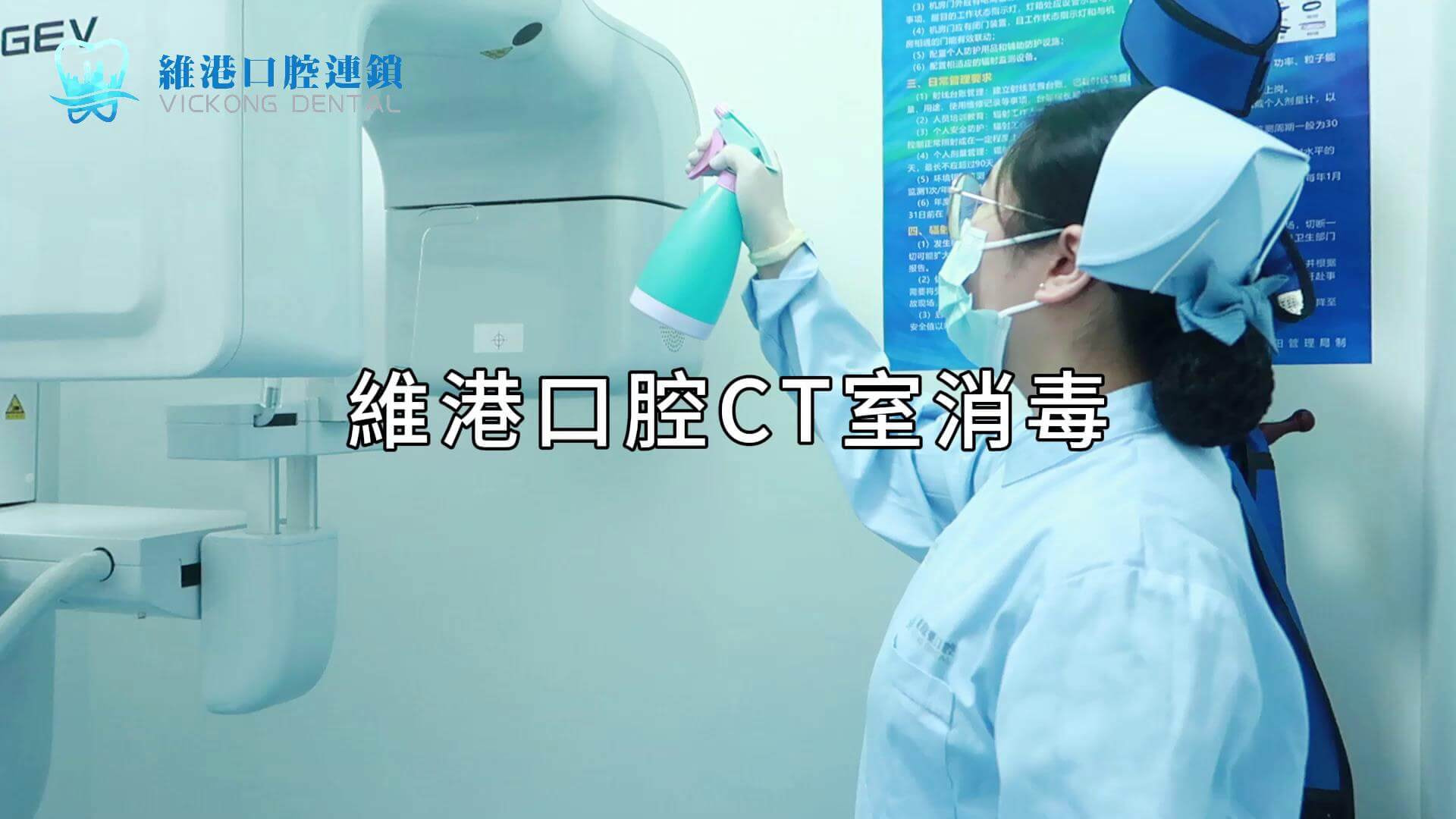
Infection control is a critical aspect of ensuring safety during root canal treatment. Strict adherence to sterilization protocols is mandatory in dental settings. This includes the use of autoclaves to sterilize instruments and disposable materials where possible, significantly reducing the risk of cross-contamination.
Moreover, maintaining a clean operatory environment is vital. Before the procedure, dental professionals should implement comprehensive cleaning procedures, using EPA-approved disinfectants to ensure surfaces are free of potential pathogens.
Personal Protective Equipment (PPE) is equally important in maintaining infection control. Dentists should wear gloves, masks, and protective eyewear to minimize exposure to infectious agents. Additionally, patients can be protected through the use of barriers, ensuring a sterile field is maintained throughout the treatment process.
4. Post-Treatment Care and Monitoring
Post-treatment care is as crucial as the procedure itself in ensuring overall safety and promoting healing. After a root canal, patients should receive specific instructions on pain management, such as the proper use of prescribed medications and recommendations for over-the-counter alternatives.
Follow-up appointments play a significant role in monitoring recovery. Dentists should schedule subsequent visits to assess healing and address any concerns the patient may have. Early detection of complications can significantly improve the overall outcome and patient satisfaction.
Additionally, patients should be encouraged to maintain good oral hygiene practices to support the healing process. Regular brushing, flossing, and avoiding certain foods can help reduce the risk of infection and the likelihood of needing further dental intervention.
Summary:
In conclusion, adhering to essential guidelines for safety during root canal treatment greatly enhances patient outcomes and minimizes risks. Emphasizing patient preparation, leveraging advanced technology, implementing strict infection control measures, and ensuring thorough post-treatment care are critical components of effective dental health management. Together, these strategies foster a safer environment for both patients and practitioners, ensuring successful and enduring oral health solutions.
This article is compiled by Vickong Dental and the content is for reference only.