Summary: Root canal treatment is a crucial dental procedure aimed at saving infected or damaged teeth. To ensure a safe and successful process, several guidelines and precautions need to be followed. This article outlines essential practices including proper diagnosis, pain management, the role of sterilization and cleanliness, and effective aftercare. By adhering to these guidelines, both dental professionals and patients can enhance the outcome of the procedure while minimizing complications. Understanding these fundamentals serves as a roadmap for anyone navigating the root canal treatment journey, ultimately leading to better dental health and patient satisfaction.
1. Accurate Diagnosis and Treatment Planning

The first and foremost step in ensuring a safe root canal treatment is an accurate diagnosis. Dentists should utilize advanced diagnostic tools such as X-rays and 3D imaging to assess the extent of tooth damage and locate the root canal system. Recognizing whether the tooth is viable for treatment can significantly impact the overall outcome.
Additionally, a comprehensive treatment plan should be developed based on the diagnosis. This plan should detail step-by-step procedures, anticipated challenges, and potential outcomes. Transparency with the patient regarding the steps involved can also enhance their understanding and cooperation during the treatment process.
Moreover, assessing the patient’s medical history is crucial for identifying any underlying conditions that may influence the procedure. Knowledge of allergies, existing medications, and past dental experiences allows for tailored treatment that focuses on patient safety and comfort.
2. Effective Pain Management Techniques
Managing pain effectively is essential to create a comfortable experience during root canal treatment. Dentists should start by administering local anesthesia to numb the affected area thoroughly. The type and dosage of anesthetic should be carefully selected, considering the patients medical history and any allergies.
During the procedure, additional sedation options, such as nitrous oxide or oral sedatives, can be offered to help alleviate anxiety. Controlling anxiety is vital as it directly correlates with how patients perceive pain. Patients who feel relaxed are less likely to experience discomfort.
Post-treatment pain management strategies should also be established. Dentists should prescribe appropriate analgesics to manage any residual discomfort after the procedure. Providing clear guidance on medication use and possible side effects can prepare patients for their recovery phase.
3. Importance of Sterilization and Cleanliness
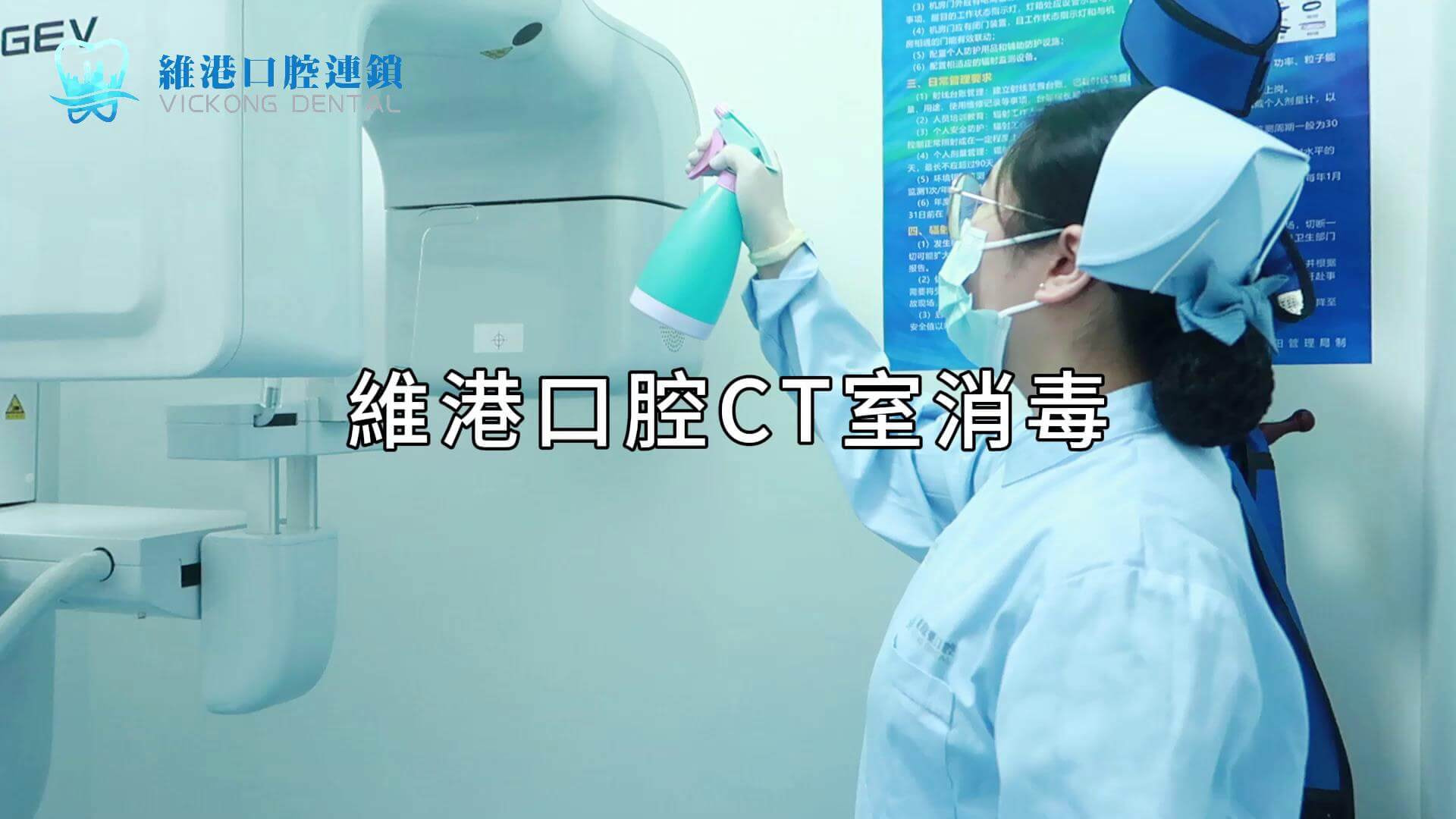
Ensuring a sterile environment is paramount in root canal procedures to prevent infections. Dental professionals should follow strict infection control protocols. This includes the use of sterilized instruments and disposable materials when available.
Furthermore, maintaining a clean operatory environment helps safeguard both the patient and staff from potential pathogens. Regular cleaning and disinfection of all surfaces, equipment, and shared tools should be part of the clinics standard operating procedures.
Adequate hand hygiene should not be overlooked. Dental practitioners must wash their hands or use effective hand sanitizer before and after every patient interaction. This simple yet effective practice minimizes the risk of cross-contamination and enhances patient safety.
4. Proper Aftercare Instructions and Follow-Up
Aftercare plays a significant role in the success of root canal treatments. Dentists must provide comprehensive aftercare instructions to patients before they leave the clinic. These guidelines should address diet, activity restrictions, and medication use to ensure optimal recovery.
Moreover, encouraging patients to report any unusual symptoms or discomfort is essential for early detection of complications. Establishing clear communication lines for follow-up questions can significantly enhance the patient’s recovery experience.
Additionally, scheduling regular follow-up appointments allows the dentist to monitor healing and address any concerns that may arise post-treatment. Continuous patient engagement is critical for ensuring long-term success and maintaining dental health.
Summary:
In conclusion, the safety and effectiveness of root canal treatment depend on multiple essential guidelines and precautions. From accurate diagnosis to effective pain management, maintaining strict cleanliness, and ensuring proper aftercare, each step contributes to a successful outcome.
By adhering to these protocols, dental practitioners can provide their patients with the best possible care, enhancing both comfort and satisfaction during this crucial procedure. Remember, a proactive approach to dental health can make all the difference in treatment success.
This article is compiled by Vickong Dental and the content is for reference only