Summary: Root canal treatment is a common dental procedure designed to save teeth that are severely decayed or infected. While the treatment can provide significant relief and restore dental function, ensuring patient safety and procedural success demands meticulous precautions. This article explores essential precautions to guarantee a successful root canal treatment and enhance patient safety, covering aspects such as proper patient evaluation, aseptic techniques, appropriate anesthetic use, and effective post-treatment care. Understanding and implementing these factors can lead to a smoother process and improved outcomes for both patients and practitioners.
1. Thorough Patient Evaluation and History

A comprehensive evaluation of the patient’s dental and medical history is vital prior to any dental procedure, including root canal treatment. Dentists need to identify any underlying health issues that may complicate the procedure or impair healing. Conditions such as diabetes, heart problems, or immune system disorders necessitate additional consideration during treatment planning.
In addition to medical history, dentists should conduct a thorough examination of the affected tooth and surrounding tissues. Diagnostic imaging, such as X-rays, plays a crucial role in determining the extent of decay, presence of infection, or any anatomical anomalies. This step helps in anticipating potential challenges during the root canal.
Moreover, engaging in detailed discussions with patients about their symptoms and concerns can enhance understanding and build trust. This dialogue ensures that patients are well informed about the procedure, reducing anxiety and improving compliance with post-treatment care guidelines.
2. Aseptic Techniques and Infection Control
Infection control is a cornerstone of any dental procedure, particularly in root canal treatments where the likelihood of contamination increases due to the removal of pulp tissue. Dentists must adhere to stringent aseptic protocols, starting from the sterilization of instruments to the maintenance of a clean working environment throughout the procedure.
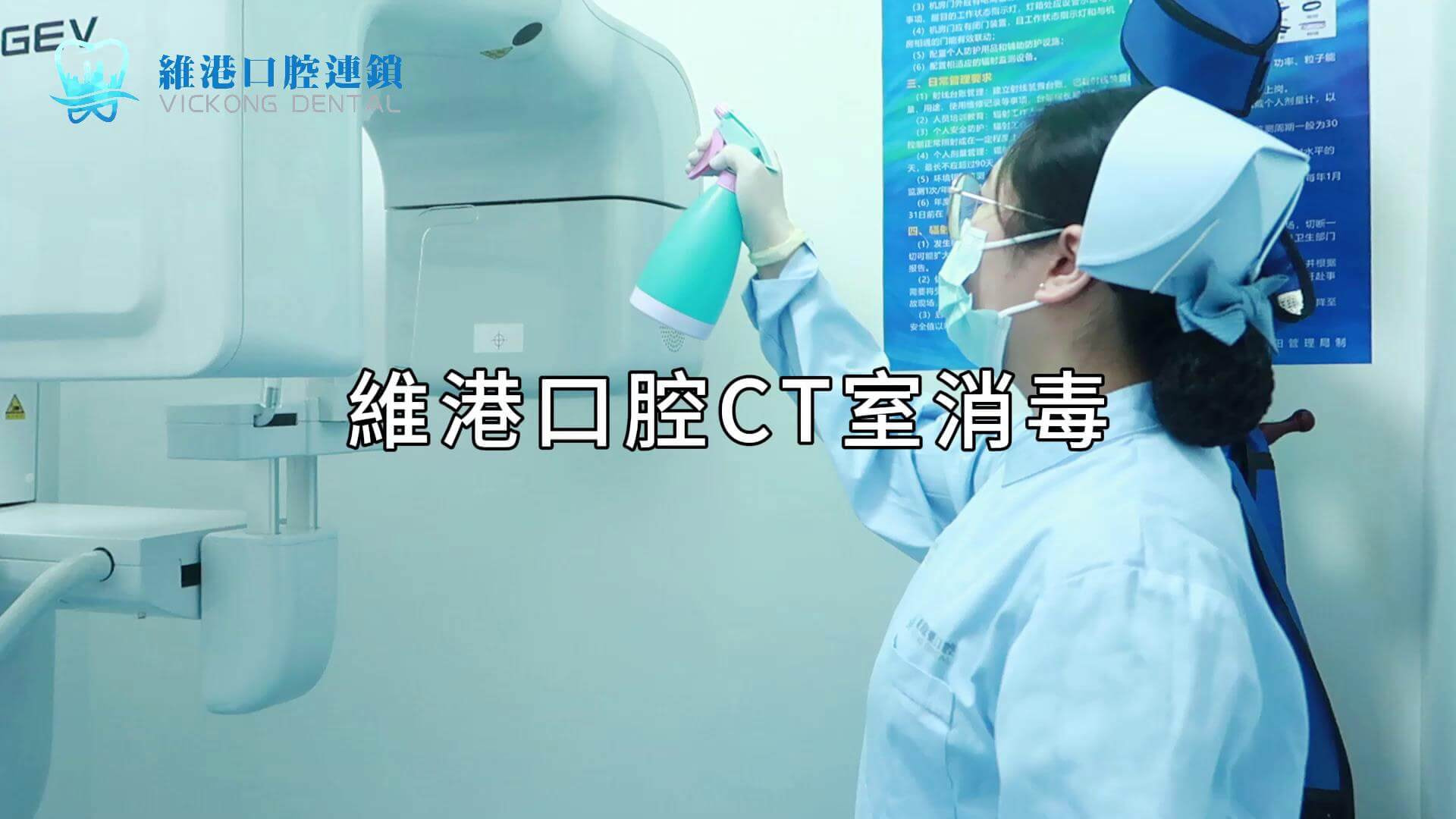
The use of barriers, including sterilized gloves, masks, and protective eyewear, is essential to minimize the risk of cross-contamination. Furthermore, the dental chair and surrounding areas must be disinfected before and after each treatment to ensure patient safety.
Additionally, proper handling and disposal of biohazardous materials are crucial in preventing infection transmission. Dentists and staff should be adequately trained in infection control guidelines to ensure that the safety of both patients and dental healthcare providers is prioritized.
3. Effective Anesthetic Techniques for Comfort
Patient comfort during root canal treatment is paramount in promoting a positive experience. The appropriate use of anesthetics can help alleviate pain and anxiety associated with the procedure. Dentists should carefully assess the patient’s pain tolerance and select the effective anesthetic technique - whether local or general anesthesia - suited for the individual case.
Moreover, employing supplemental anesthetic techniques, like intraosseous anesthesia or sedation, can further enhance the comfort of patients who may be particularly anxious or unresponsive to standard local options. Communication about what to expect during the procedure helps patients feel more relaxed and informed.
Post-procedural management of pain is equally important. Dental professionals should provide clear instructions on pain management and the use of prescribed medications, ensuring patients know how to address discomfort after the treatment effectively.
4. Comprehensive Post-Treatment Care Guidance
The final phase of a successful root canal treatment hinges upon comprehensive post-treatment care. Patients should receive clear, written instructions on how to care for the treated tooth as well as general oral hygiene practices to minimize the risk of complications.
Educating patients about signs of infection or complications, such as increased pain or swelling, can lead to earlier intervention and better outcomes. Regular follow-up appointments should be scheduled to monitor the healing process and address any concerns that may arise.
Furthermore, emphasizing the importance of maintaining regular dental check-ups can facilitate prompt identification and management of any further dental issues, helping to ensure long-term success post-treatment.
Summary:
In conclusion, ensuring a successful root canal treatment and promoting patient safety involves a multifaceted approach, including thorough patient evaluation, strict adherence to aseptic techniques, effective use of anesthetics, and comprehensive post-treatment care. By prioritizing these essential precautions, dental professionals can foster a positive treatment experience that enhances both safety and effectiveness for their patients.
This article is compiled by Vickong Dental and the content is for reference only